By Uche Onyeali
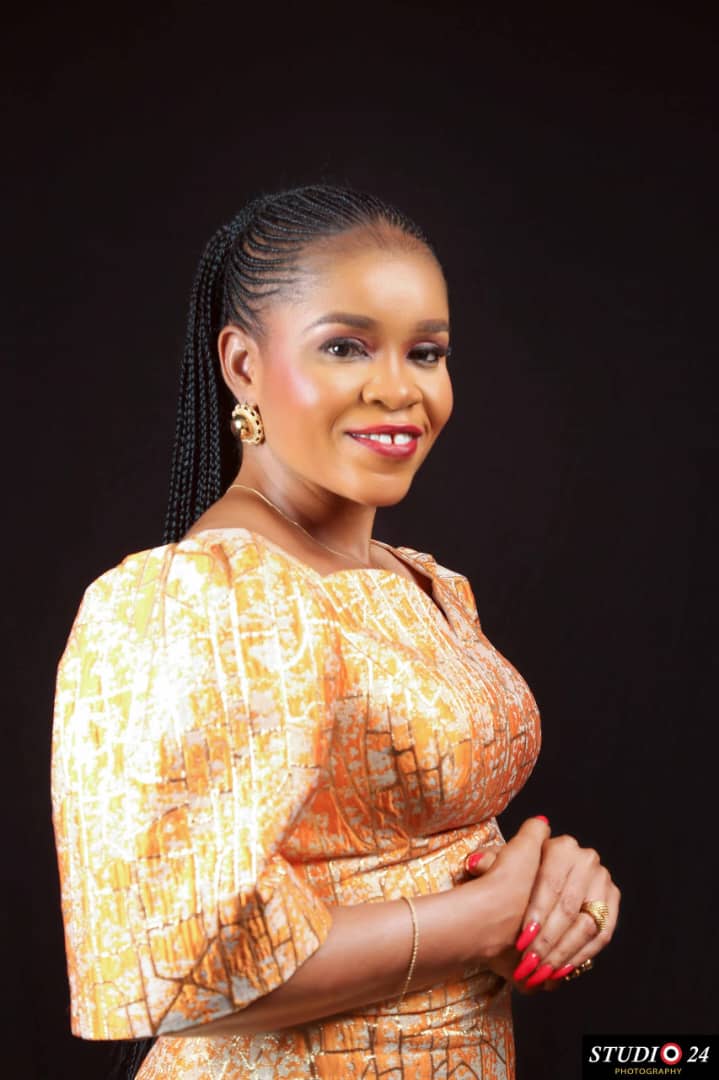
Founder of Global Initiative for Women in Leadership, GIFWIL, Dr Sarah Umahi has vowed that her organisation would continue to mobilise until the Women Reserved Seats Bill before the National Assembly is passed into law.
The proposed bill is among the 44 prioritised constitutional amendment bills currently awaiting final voting by the National Assembly and subsequent approval by state Houses of Assembly.
The proposed legislation seeks to create reserved seats for women in the National Assembly and state Houses of Assembly to increase their presence in decision-making in the country.
According to proponents of the bill, it was designed to address the persistently low representation of women in the legislative chambers by creating special constituencies to be contested exclusively by women.
Speaking at a rally in support of the bill in Abuja, Umahi described it as a critical step toward achieving gender equality and inclusive governance in Nigeria.
“As a patriotic Nigerian, I firmly support the Women Reserved Seats Bill currently before the National Assembly.
“This is a critical step toward achieving gender equality and inclusive governance in Nigeria.
“The bill represents a long-overdue legislative intervention to address the persistent underrepresentation of women in Nigeria’s political space. For too long, women have been told to wait, wait for the right time; wait for political parties to be fair; wait for society to change its mind. But waiting has not worked. The time for legislative action is now,” Umahi maintained.
She noted that Nigeria’s democracy cannot be truly inclusive when women, who make up nearly half of the population, occupy less than 10 percent of seats in the National Assembly and states legislature.
“Democracy is about representation. If half of the population is systematically excluded from decision-making, then we do not have democracy; we have a system that serves only half of its people.
“The bill is not about lowering standards or giving women undeserved advantages, but leveling a playing field that has been tilted against women for decades.
“I strongly call on members of the National Assembly, civil society organisations, women groups and all Nigerians who believe in equality to support the passage of the bill.
“I also urge lawmakers to look beyond partisan politics and recognise the bill as a national imperative that will strengthen democracy, promote social justice and accelerate development,” she appealed.
She added that her initiative would continue to advocate, mobilise and engage stakeholders until the bill becomes a law.