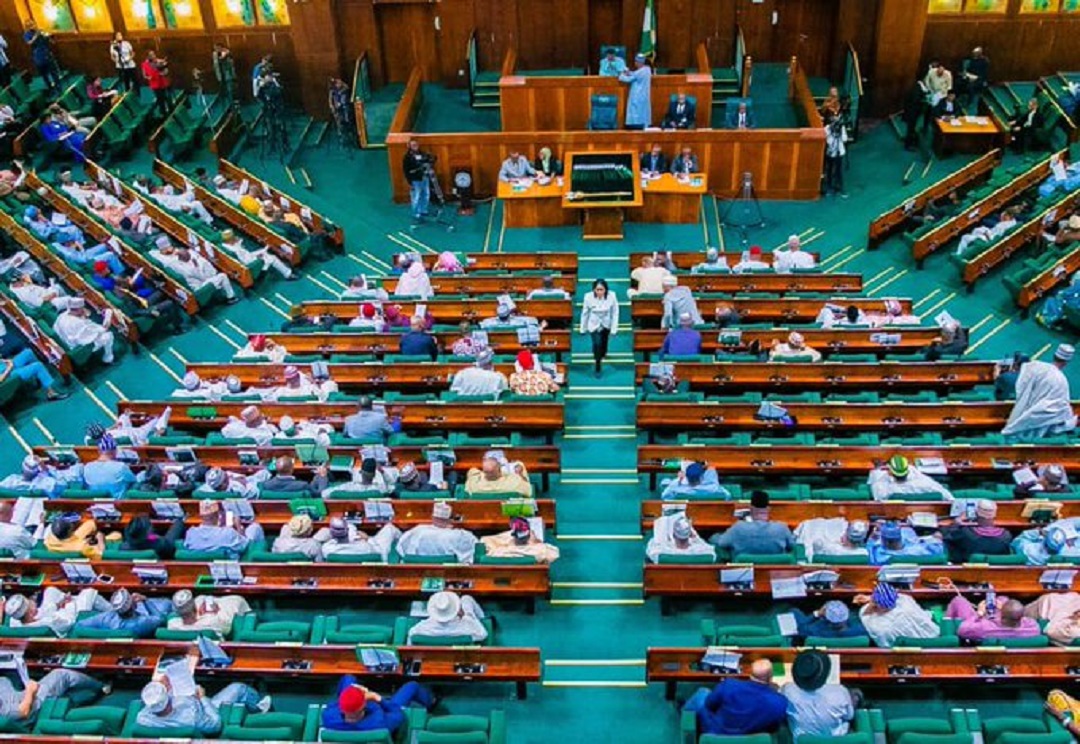
The House of Representatives has commenced an investigation into the human and economic losses suffered by Nigerians during recurring xenophobic attacks in South Africa, with lawmakers seeking measures that could lead to compensation for victims and improved protection for Nigerians residing in the country.
The resolution followed the adoption of a motion moved on Tuesday by the member representing Ikorodu Federal Constituency of Lagos State, Rep. Babajimi Benson.
Presenting the motion before the House, Benson expressed concern that the absence of a comprehensive assessment of casualties, destroyed property and financial losses has continued to weaken Nigeria’s ability to pursue justice and adequate compensation for affected citizens.
The lawmaker recalled Nigeria’s historic contribution to South Africa’s liberation from apartheid, noting that successive Nigerian governments provided diplomatic, political and financial support throughout the anti-apartheid struggle.
According to him, Nigeria championed South Africa’s cause through international organisations such as the United Nations, the Commonwealth and the Organisation of African Unity, while also offering scholarships and other forms of assistance to South Africans during the struggle.
Despite those sacrifices, Benson lamented that Nigerians legally resident in South Africa have repeatedly become victims of xenophobic violence over the years.
He cited major incidents recorded in 2008, 2015, 2017, 2019 and 2021, saying the attacks resulted in deaths, destruction of businesses, displacement of Nigerian residents and periodic diplomatic strains between both countries.
The lawmaker also expressed concern over renewed anti-foreigner campaigns by some groups in South Africa, warning that such activities have continued to create fear among Nigerians while negatively affecting their businesses, investments and livelihoods.
Benson argued that previous condemnations by the Nigerian government and diplomatic engagements with South African authorities have not been supported by a detailed and credible assessment of the losses suffered by Nigerians.
“Condemnation and diplomatic protests without a corresponding institutional effort to comprehensively document the losses suffered by Nigerians have denied the Federal Government and the National Assembly an authoritative evidential basis for policy formulation, legislative intervention and sustained diplomatic negotiations,” he said.
Following the adoption of the motion, the House directed its Committees on Integration and Cooperation in Africa and Diaspora, as well as Foreign Affairs, to investigate the casualties, destruction of property and economic consequences of previous and recent xenophobic attacks involving Nigerians in South Africa.
The committees were also mandated to compile a comprehensive inventory of properties abandoned by Nigerians due to the attacks.
In addition, they are expected to recommend diplomatic, legal and policy measures aimed at strengthening accountability, pursuing possible compensation for affected Nigerians and enhancing the protection of Nigerian citizens living in South Africa.
The committees were given four weeks to complete the assignment and submit their findings to the House for further legislative consideration.
Nigeria and South Africa have maintained longstanding diplomatic and economic relations built on trade, regional cooperation and shared leadership roles on the African continent.
However, repeated xenophobic attacks targeting foreign nationals, including Nigerians, have continued to strain relations between both countries despite efforts by both governments to strengthen bilateral ties.