By Paul Effiong, Abuja
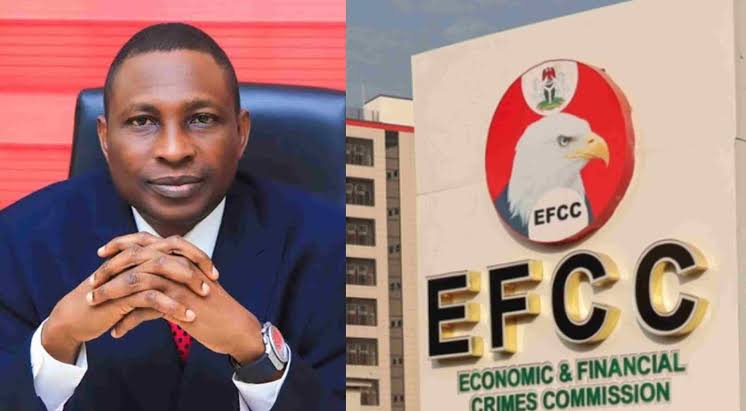
Executive Chairman of the Economic and Financial Crimes Commission, EFCC, Ola Olukoyede has called for urgent reforms to strengthen fiscal transparency and block all systemic leakages undermining Nigeria’s development.
The EFCC boss, who stated this yesterday at a national dialogue on fiscal governance held in Abuja, warned that despite years of policy reforms, the gap between budgetary intentions and real-life impact remain excessively wide across the country.
Represented at the three-day conference by the Director of Public Affairs, Wilson Uwujaren, the EFCC boss lamented speculative earnings, unverifiable transactions, weak oversight by lawmakers, among others, noting that such delibrate negligence might be fueling corruption and inefficiency in public finance spaces.
Olukoyede highlighted different factors working against fiscal governance to include non-compliance with regulations, budget padding, speculative oil earnings and digital fraud involving platforms like GIFMIS and IPPIS.
Acvording to him, these factors have turned public finance into a playground for waste and corruption, deepening citizen mistrust, as well as lack of trust and confidence in government
To address most of the common lapses associated with lack of prudence and transparency in fund management, the chairman said his commission had adopted a two-pronged approach—combining prosecution with prevention.
He disclosed that the commission had recovered trillions of naira in stolen funds, including 750 duplexes last year in Abuja, and redirected proceeds of crime into key national initiatives like the Nigerian Education Loan Fund and the Consumer Credit Scheme.
Beyond recovery, he added, EFCC has ramped up internal reforms by establishing a Fraud Risk Assessment and Control Department and collaborating with local and global law enforcement to stem illicit financial flows.
The commission is also partnering the Ministry of Housing to convert seized assets into affordable homes for low-income earners.