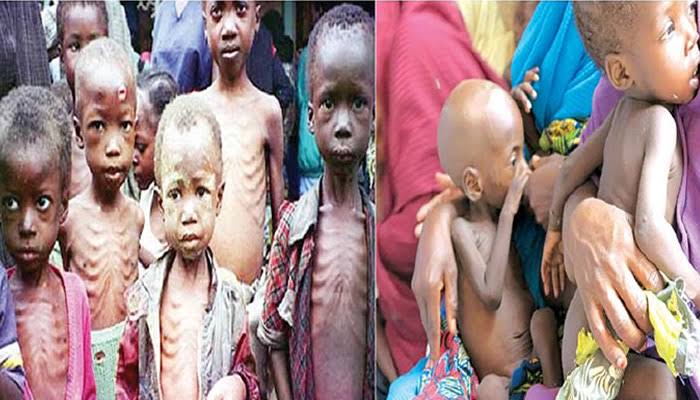
Recent statistics on Nigeria’s malnutrition paint a grim picture of a worsening scenario. It is estimated that two million children are said to be suffering from severe acute malnutrition in Nigeria, with only 20% receiving nutritional and other treatments needed. Acute malnutrition is now contributing to nearly half of child mortality under five in the affected areas, with the North-east and North-west geo-political zones of the country hardest hit. Millions of children and pregnant women are facing malnutrition due to poor food access, unsafe water, and the secondary effects of ongoing conflict, according to stakeholders, including the Red Cross Society which is on ground providing vital health, nutrition, and protection services.
The situation is exacerbated by factors like conflict, climate change, and rising food prices, leading to widespread hunger and food insecurity. While efforts are underway to address the crisis, a significant gap remains in reaching those in need with treatment and support.
According to the United Nations Children’s Fund, UNICEF, an estimated 5.44 million children in Nigeria’s North-east and North-West regions are malnourished, including 1.8 million with severe acute malnutrition, SAM, and approximately 800,000 pregnant or lactating women are also affected.
Malnutrition contributes to a substantial portion of child deaths in Nigeria, with 45% of all under-five deaths directly or indirectly linked to malnutrition.
Northern Nigeria is currently grappling with a severe malnutrition crisis, Médecins Sans Frontières, MSF also known as Doctors Without Borders, had indeed warned.
In a statement, MSF’s Field Communication Officer, Abdulkareem Yakubu, reported that in Katsina State—where the organisation has been active since 2021, there is a growing influx of malnourished children in its therapeutic feeding centres. The cases are increasingly severe, with rising mortality rates. At least 652 children have died from malnutrition in Katsina in the first six months of 2025 according figures released by Doctors Without Borders, known by their French initials, MSF. They cite funding cuts by international partners and rising insecurity in the entire region.
Exacerbating the crises, is the World Food Programme’s, recent position that it would be forced to halt emergency food and nutrition aid for 1.3 million people in Northeast Nigeria, citing critical funding shortages.
Excluding new facilities opened in the state this year, the number of children treated represents an increase of around one-third compared to 2024. Alarmingly, cases of malnutrition with nutritional oedema, the most acute and deadly form rose by 208% between January and June 2025, compared to the same period last year.
Médecins Sans Frontières, MSF, noted with concern that adults particularly women, including those pregnant or breastfeeding are also increasingly affected, underscoring the worsening scale of this public health emergency.
With UNICEF’s reckoning, the scenario seems rather depressing as it stated that, “Nigeria has the second highest burden of stunted children in the world, with a national prevalence rate of 32 percent of children under five. An estimated 2 million children in Nigeria suffer from severe acute malnutrition, SAM, but only two out of every 10 children affected is currently reached with treatment. Seven percent of women of childbearing age also suffer from acute malnutrition”.
“That is why those saddled with the responsibility of steering the country out of the murky waters of malnutrition have to do much more in revolutionising agriculture and food production in order to achieve this”, Shuna Fakum, a public affairs analyst stated.
Analysts are agreed on the fact that the cause of malnutrition is often grossly misunderstood as non-availability of food. It goes beyond that as there are many factors. The right food, in the right quantity with a mix of others for a balanced, healthy living is likely to mitigate the crises.
Besides supporting the very vulnerable by providing food handouts, all tiers of government must as matter of urgency create the ambience for adequate awareness on proper dieting.
Indeed, there should be a declaration of state of emergency in hard-hit areas and a follow through with measures that would mitigate this silent but devastating scourge.
Inclusivity is also imperative at this point as there is the need for relevant non-governmental organisations, NGOs and governments to draw specific action plans on the way forward.
Given that aid from foreign partners is shrinking, we must begin to develop home-grown responses within the context of our circumstances.