Twenty-seven years ago, Nigeria turned a historic page. The return to democratic governance in 1999 ended a long era of military rule and rekindled hope that constitutional government, the rule of law and accountable leadership would usher in a more prosperous and just society. Today, as the nation marks 27 years of uninterrupted civilian rule, there is every reason to celebrate the endurance of democracy. There is also every reason to ask hard questions about what it has delivered.
The simple fact that Nigeria has sustained nearly three decades of uninterrupted democratic governance is itself a significant achievement. It has witnessed multiple presidential transitions, constitutional reforms and the gradual strengthening of institutions that, despite obvious imperfections, are stronger than they were under military rule. The nation has also recorded defining democratic moments: the debt relief secured during the Olusegun Obasanjo administration, the electoral reforms initiated by the late President Umaru Musa Yar’Adua, and the statesmanship displayed by former President Goodluck Jonathan in conceding defeat after the 2015 presidential election.
These milestones affirm that democracy, unlike dictatorship, possesses an in-built capacity for self-correction and renewal. As many Nigerians rightly observe, however flawed democracy may be, it remains infinitely preferable to the arbitrariness and repression associated with military rule.
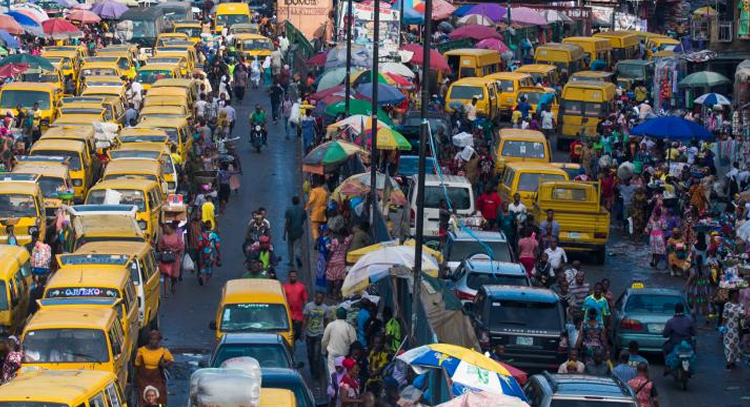
Yet democracy cannot survive on symbolism alone. It must ultimately justify itself through the quality of life it offers the people. On that score, the verdict from millions of Nigerians is sobering. Insecurity continues to threaten lives and livelihoods across many parts of the country. Inflation and the rising cost of living have eroded household incomes. Unemployment and underemployment remain stubbornly high, while poverty, especially among the youth, has reached deeply troubling levels. Too many citizens still struggle to access quality healthcare, education and other basic public services.
The disconnect between democratic governance and the daily realities of ordinary Nigerians has fuelled a dangerous erosion of public trust. Elections are held regularly, but many citizens increasingly feel excluded from the benefits of the system they sustain. Democracy, they argue, has become more procedural than purposeful.
This anniversary, therefore, should not merely be a celebration of endurance but an opportunity for honest national introspection. The challenge before President Bola Ahmed Tinubu’s administration, and indeed every arm and tier of government, is to transform political freedom into economic opportunity. The President’s assertion that the next phase of Nigeria’s democratic journey must be the attainment of economic prosperity is both timely and appropriate. However, the success of that vision will depend not on rhetoric but on measurable improvements in the lives of citizens.
Government must redouble efforts to tame inflation, create jobs, strengthen security and build an economy that rewards enterprise and protects the vulnerable. Equally important is the need to deepen the rule of law, strengthen the independence of the judiciary, safeguard the integrity of elections and restore confidence in public institutions through greater transparency and accountability.
But the burden of national renewal cannot rest on government alone. Political leaders must place national interest above partisan calculations. Traditional rulers should continue to promote peace, dialogue and social cohesion within their communities. Religious leaders must use their influence to preach tolerance, integrity and unity rather than division. The media and civil society must remain vigilant defenders of accountability and democratic freedoms. Above all, Nigeria’s youth, whose energy and creativity represent the nation’s greatest asset, must continue to engage constructively in the democratic process while resisting the temptations of apathy, violence and manipulation.
As the country looks ahead to its 30th anniversary of democratic rule, the objective should be clear: not merely to preserve democracy, but to make it work. The true measure of a democratic nation is not the number of years it has survived, but the extent to which its people can live in security, dignity and hope.
Nigeria has won the battle against military authoritarianism. The greater challenge now is to ensure that democratic governance delivers the prosperity, justice and shared progress that inspired the sacrifices of the June 12 heroes and the aspirations of millions of Nigerians. That is the unfinished journey. And it is a journey that demands courage, responsibility and action from us all.