* ECOWAS states struggle with action and implementation
* As Nigeria continues to lead the world in malaria prevalence
Despite decades of interventions and countless policy declarations, malaria continues to devastate West Africa, with Nigeria bearing the world’s heaviest burden. Experts now insist the crisis is no longer about solutions, but failed implementation, JULIET IBIMINA writes.
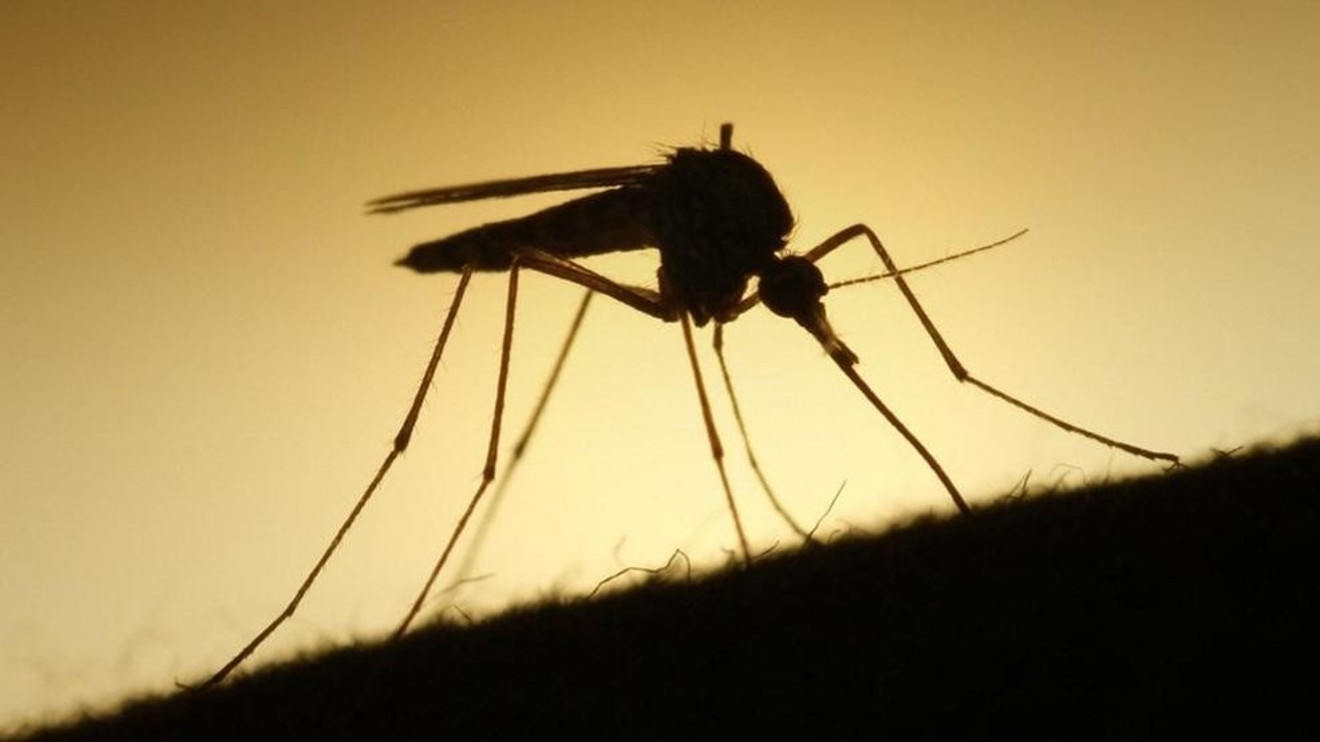
Malaria remains one of West Africa’s deadliest public health crises, not because solutions are unavailable, but because governments across the region continue to struggle with implementation. Proven strategies, medical interventions, and preventive tools already exist. What is lacking is the political will, sustained investment, and coordinated execution required to translate policies into measurable results.
This reality dominated discussions at the 27th Ordinary Session of the Assembly of Health Ministers of the Economic Community of West African States, ECOWAS, in Freetown, Sierra Leone. Beneath the diplomatic speeches and policy presentations, one uncomfortable truth became evident: West Africa does not suffer from a shortage of plans; it suffers from weak and inconsistent action.
Across rural communities, the devastating consequences of this failure are painfully visible. In a remote village in Kebbi State, 27-year-old Malama Maimuna Salisu watches helplessly as her two-year-old son, Shehu, battles another bout of malaria. His tiny body trembles beneath a thin blanket as fever ravages him.
Like millions of Nigerians, Salisu has heard repeated government campaigns about mosquito nets and malaria prevention. Yet, survival realities often override health recommendations. The intense heat makes sleeping under treated nets unbearable, healthcare facilities are located far from many communities, and transportation costs consume what little income families earn from subsistence farming.
For households like hers, malaria is no longer viewed as an isolated illness; it has become a relentless cycle of sickness, poverty, and uncertainty.
Nigeria remains the epicentre of the global malaria burden, recording nearly 110 million clinically diagnosed cases annually. The country accounts for approximately one-quarter of all malaria cases worldwide and almost one-third of global malaria deaths. Within West Africa alone, Nigeria contributes more than half of reported infections.
The consequences are catastrophic. Malaria is responsible for over 36 per cent of under-five mortality in Nigeria, claiming more than 300,000 lives every year. Experts estimate that a Nigerian child dies from malaria every five minutes. Beyond the human tragedy, the disease continues to weaken economic productivity, impoverish households, and place immense pressure on an already overstretched healthcare system.
At a primary healthcare centre near Salisu’s community, health worker Mrs Ruth Bala confronts the grim reality daily.
“We understand the preventive measures, but behavioural change remains slow, while resources are grossly inadequate. Too many children are brought here in critical condition when their illness could have been prevented,” she said.
Her testimony reflects a wider challenge confronting malaria control efforts across rural Nigeria and much of West Africa. Awareness campaigns may have improved public knowledge, but access to healthcare, affordability of treatment, poor infrastructure, and entrenched social realities continue to undermine progress.
It was against this troubling backdrop that regional leaders convened in Freetown. Speaking on behalf of the President of Sierra Leone during the opening session, Chief Minister Dr David Sengeh urged ECOWAS member states to move beyond declarations and begin producing measurable outcomes, particularly in combating malaria and reducing maternal mortality.
Sierra Leone’s Minister of Health, Dr Austin Demby, delivered perhaps the most direct message of the summit: “We already possess the tools and knowledge needed to eliminate malaria. There is no justification for continued delay. The time to end malaria is now.”
Central to the discussions was the urgent need for stronger regional coordination. The West African Health Organisation, WAHO, under the leadership of its Director-General, Dr Melchior Aissi, stressed that malaria elimination cannot succeed through isolated national responses. Given the fluid movement of populations across borders, fragmented approaches only weaken regional progress.
WAHO’s Regional Malaria Elimination Framework, presented by Dr Virgil Lokossou, Director of Healthcare Services, outlines ambitious objectives, including a 90 per cent reduction in malaria incidence and complete elimination in at least three ECOWAS countries by 2035.
Supporting this framework is the newly introduced Freetown Charter, unveiled by Sattie Kenneth, which seeks to strengthen accountability, improve health governance, and establish real-time data systems capable of tracking progress and identifying gaps more effectively.
While these frameworks represent important policy advancements, analysts warn that previous malaria initiatives have often failed because governments lacked the discipline and consistency to implement them fully.
Back in Nigeria, there are signs of progress. The introduction of the R21 malaria vaccine in states such as Kebbi and Bayelsa has generated cautious optimism, especially for vulnerable children like Shehu. However, access to the vaccine remains uneven, particularly in remote communities where healthcare delivery systems remain weak.
This widening gap between innovation and accessibility continues to expose one of the region’s greatest failures: scientific breakthroughs mean little if they do not reach those most at risk.
Another major concern raised during the ECOWAS assembly was sustainability. WAHO’s Acting Director for Administration and Finance, Mr Aruna Fallah, warned that excessive dependence on donor funding leaves malaria programmes dangerously vulnerable. External support may fluctuate, but malaria remains constant.
Similarly, Mr Dionke Fofana, representing WAHO’s technical and financial partners, called for increased domestic investment and stronger institutional structures capable of sustaining long-term interventions. Without stable local financing, experts fear that current gains could quickly unravel.
Public health specialists are also increasingly acknowledging that malaria is not merely a medical problem, but a deeply social one. Dr Monique Murindahabi, a senior public health expert on malaria control in Africa, emphasised the need for interventions that reflect community realities, including local beliefs, gender dynamics, and behavioural patterns.
According to experts, even the best interventions fail when communities neither trust nor consistently adopt them. This is why greater engagement with traditional leaders, local influencers, and grassroots structures has become increasingly essential.
Dr Alie Wurie, Director of Primary Health Care at Sierra Leone’s Ministry of Health and Sanitation, further stressed that cross-border surveillance and coordinated regional responses are critical, particularly as malaria resistance and emerging health threats continue to evolve.
As the Freetown meeting concluded, fresh commitments were made and new frameworks adopted. Yet, many observers insist that declarations alone will not save lives. The true test lies in whether governments can finally bridge the persistent gap between policy formulation and practical implementation.
As Sierra Leone’s Deputy Minister of Health, Prof Charles Senessie, observed, West Africa now stands at a decisive moment where ambition must be matched with action.
For Malama Maimuna Salisu in Kebbi, however, success will not be measured by speeches delivered in conference halls. It will be measured by whether her son survives and grows up free from a disease that continues to kill thousands of African children every year.
Until governments across the region demonstrate sustained commitment through concrete action, adequate funding, stronger healthcare systems, and effective grassroots delivery, malaria will remain a tragic symbol of failed implementation rather than failed knowledge. And unless that changes, children like Shehu will continue to bear the heaviest burden of political inaction.