By Paul Effiong, Abuja
The Director-General of the National Automotive Design and Development Council, NADDC,, Joseph Osanipin, has disclosed that Nigeria spends over N1 trillion annually on vehicle imports.
Osanipin made the disclosure yesterday during a one-day capacity-building training for journalists in Abuja. He lamented that the country could achieve far greater economic benefits through the local assembly and production of vehicles, stressing that Nigeria possesses all the requisite resources to develop a viable automotive industry.
Speaking on the theme, “Strengthening Sectoral Communication and Legislative Reporting in Nigeria’s Automotive Industry Development,” the NADDC Director-General urged the media to report and promote issues that would encourage the patronage of Made-in-Nigeria products.
He further advocated knowledge-based and accurate reporting by media practitioners, explaining that the Council is taking all necessary steps to promote the indigenous automotive sector.
He stated: “We want the media to change the narrative of negative stories about Nigeria.”
Osanipin also reaffirmed the Council’s commitment not only to developing the automotive industry but also to facilitating technology transfer aimed at strengthening Nigeria’s foreign exchange position and global competitiveness.
He, however, called for collective action among Nigerians to enable the country to dominate the African automotive market, emphasising that synergy among stakeholders and sustained economic reforms are crucial to achieving this objective.
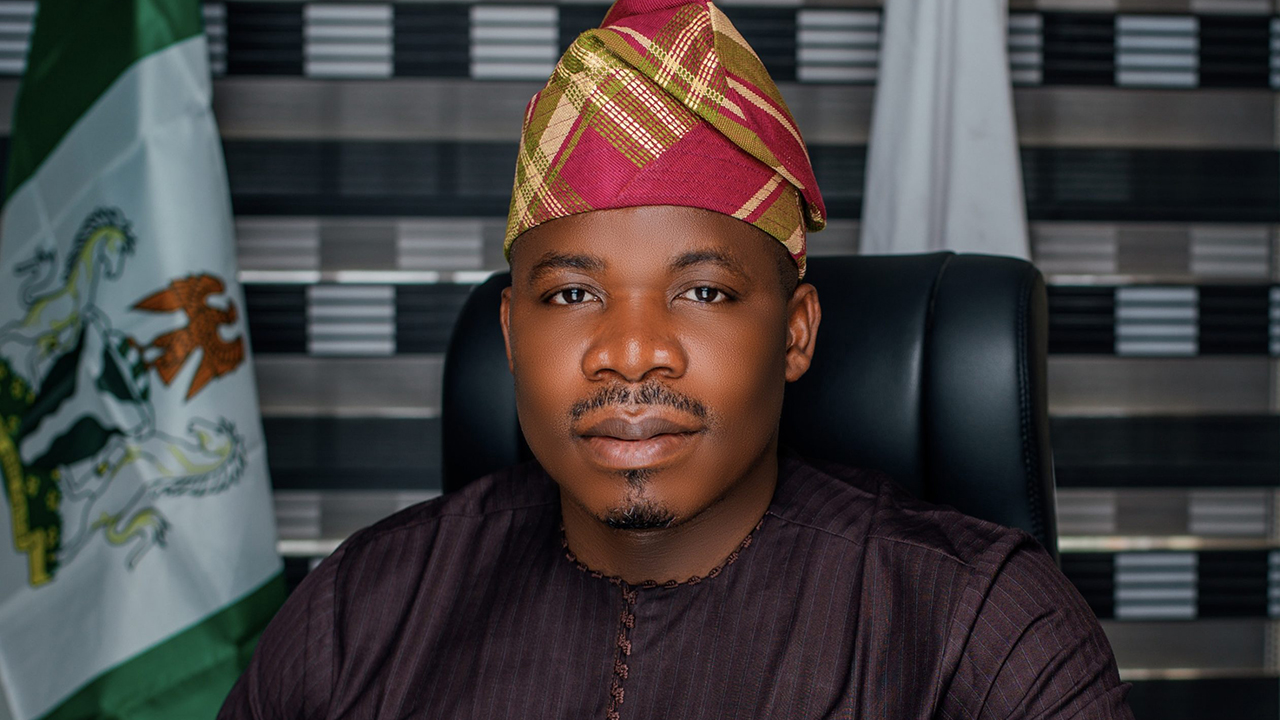
Also speaking at the workshop, the Spokesperson of the House of Representatives, Hon. Akin Rotimi, emphasised the readiness and commitment of the 10th House of Representatives to strengthen the economy through progressive reforms and effective legislative oversight.
The lawmaker expressed the determination of the House, under the leadership of Speaker Abbas, to promote capacity building among relevant stakeholders for national development. He also assured journalists of continued legislative support in the discharge of their duties.
Rotimi identified media practitioners as critical partners in nation-building and stressed the urgent need to equip them with up-to-date knowledge to enhance professional reporting.
Earlier, in his welcome address, the Chief Executive Officer of Tattito Leadership and Professional Development Academy, TLPDA, Sheni Kasamito, revealed that the programme was designed to equip journalists with essential knowledge of the automotive sector to ensure accurate reportage.
He noted that accuracy in reporting is crucial to promoting economic and political stability, particularly on issues relating to automotive design and development.
In her address, the Chairperson of the Nigeria Union of Journalists (NUJ), FCT Council, Grace Ike, explained that the workshop was aimed at strengthening accurate reporting in order to foster integrity and transparency. She commended the leadership of the 10th House of Representatives for organising the capacity-building workshop for media practitioners.
In his remarks, the Chairman of the House of Representatives Press Corps, Gboyega Onadiran, called for the promotion of Nigerian content as a catalyst for economic growth and financial stability.
Responding to questions from journalists, Director of Media and Publicity, Susan Bisong Taiwo, urged the media to support and promote the Bill, which has been passed by the National Assembly and is awaiting presidential assent.
Taiwo concluded by stating that once assented to by President Bola Ahmed Tinubu, the proposed legislation would make it compulsory for Nigeria to halt the importation of certain categories of vehicles in order to stimulate local production.
If you would like, I can also provide a slightly more punchy, front-page–ready headline version.