…As Shiroro power station warns communities against flood plains
By ABAH ADAH, Abuja
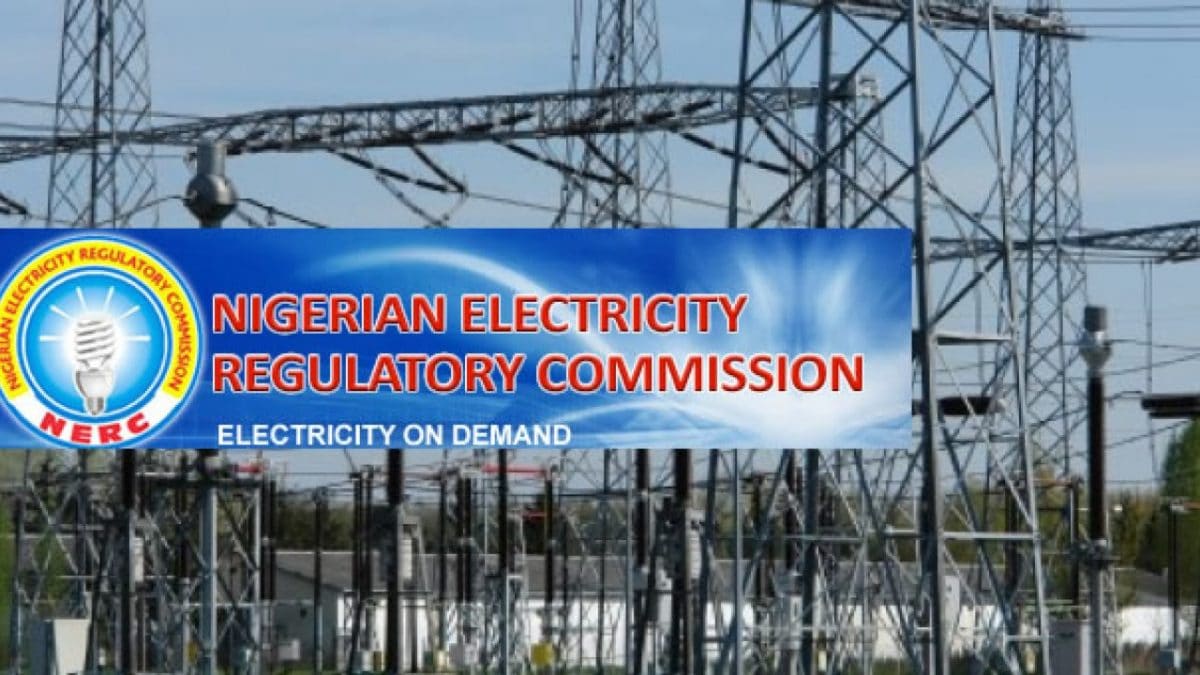
Nigerian Electricity Regulatory Commission ,NERC, has faulted the recent tariff reduction by the Enugu State Electricity Regulatory Commission ,EERC.
The commission declared that the state regulator lacks the authority to fix electricity prices where the supply is sourced from the national grid.
In a statement issued Thursday night, NERC clarified that while the 2023 Electricity Act grants states the right to regulate electricity within their jurisdiction, such powers do not extend to generation and transmission infrastructure established under federal law and licensed by the national regulator.
“The Commission’s attention has been drawn to the increasing stakeholders’ concerns on the Tariff Order (Order No. EERC/2025/003) issued by the Enugu State Electricity Regulatory Commission to its licensee, MainPower Electricity Distribution Limited ,MEDL, which relies exclusively on electricity from the national grid”, the statement read.
It noted that the tariff cut which slashed rates for Band A customers in Enugu State to ₦160.4 per kilowatt-hour had raised sector-wide concerns over who would bear the cost of the subsidy component.
According to NERC, the reduction was achieved by lowering the average generation tariff from ₦112.60/kWh to ₦45.75/kWh, representing a shortfall of ₦66.85 per unit.
NERC warned that such unilateral action could distort the market and jeopardise the financial stability of the Nigerian Electricity Supply Industry ,NESI.
“States do not have jurisdiction over the national grid and over electric power stations established under federal laws or operating under licences issued by the Commission.
“They must holistically incorporate the wholesale costs of grid supply into their tariffs for end-use customers or be prepared to subsidise any deviations”, NERC stated.
The Commission cited Section 34(1) of the Electricity Act, which mandates it to “create, promote and preserve efficient electricity industry and market structures, and ensure the optimal utilisation of resources for the provision of electricity”, and maintained that state regulators are expected to operate within that framework.
While acknowledging the statutory roles of both NERC and EERC, the national regulator emphasised the need for decisions that do not compromise the sustainability of the national grid or the wholesale electricity market.
NERC said it is currently engaging EERC to address any misunderstandings surrounding the tariff order and reaffirmed its commitment to ensuring cost-reflective pricing and compliance with applicable federal laws.
Meanwhile, Communities around the Shiroro Hydroelectric Power Station in Niger State have been strongly advised to stay away from flood plains as the rainy season reaches its peak.
Mr Ugochukwu Chioke, Chief Operating Officer of North South Power Company Ltd. ,NSPCL, at Shiroro Hydroelectric Power Station, issued the warning during the 2025 annual stakeholders’ flood sensitisation workshop, on Friday in Minna.
He stressed that the permanent solution to flooding lied in riparian residents keeping clear of designated flood plains. “Before any dam is established, the flood plains of the river are carefully mapped.
“Those living within these areas are compensated and expected to relocate. No activities should take place there”, Chioke explained.
Emphasising the need for ongoing education, he said continuous sensitisation was crucial to prevent communities from returning annually to flood-prone zones.
He said he the workshop was aimed to educate participants on flood prediction, management, and mitigation strategies specifically within the Kaduna River basin.
In his opening remarks, Mr Olubunmi Peters, Executive Vice Chairman and CEO of NSPCL, said the workshop targeted residents involved in water-based activities both upstream and downstream of the Shiroro plant.
“We want to raise awareness of the environmental hazards caused by flooding and ways to reduce damage to lives and property”, he said.
Represented by Alhaji Hassan Abdullahi, NSPCL’s Corporate Social Responsibility Consultant, Peters conveyed important information regarding flood risks.
He noted that the Nigerian Meteorological Agency ,NIMET, had issued a flood alert for July, warning that 20 states, including Niger, were at risk of flash floods.
He called on stakeholders to develop cost-effective flood control strategies and urged government agencies to desilt gutters and flood channels regularly, as well as to improve climate information dissemination to farmers.
Alhaji Hussaini Isah, Head of NEMA’s Minna Operations Office, reported that 16 local government areas in Niger were at high risk of flooding between July and September.
Prof. Danlaldi Hakimi, Chairman of the Dam Host Committee, described the workshop as timely and necessary to encourage communities to take proactive flood precautions.