By Blessing Otobong-Gabriel
In an era marked by division and uncertainty, a new kind of peacebuilding is emerging one rooted not in policy rooms alone, but in stories, voices, and human connection.
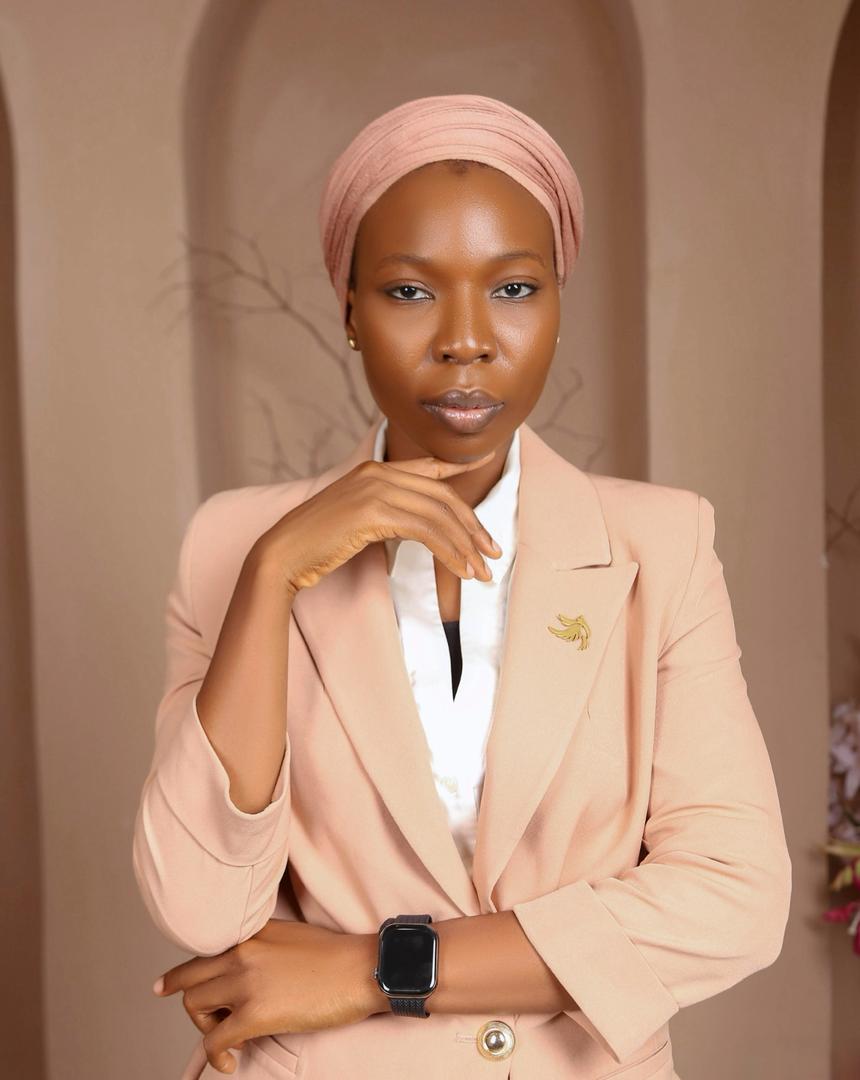
At the center of this movement is Deborah John, a Nigerian education advocate and founder of Future Ready Youth Initiative , whose initiative Literature for Peace is gaining recognition across both Nigeria and the United States with over twenty thousand participants known as the youth voices for peace.
What began as a deeply personal journey with writing has evolved into a cross-continental effort to use literature as a tool for dialogue, healing, and social change. Through dialogues ,spoken word, storytelling, and education programs, Deborah is creating spaces where young people can confront difficult realities, share lived experiences, and imagine new possibilities for coexistence.
Her work spans diverse settings from rural communities in Nigeria, where access to education remains a challenge, to international platforms where she engages global audiences on the role of storytelling in peacebuilding. Whether addressing students, policymakers, or fellow advocates, her message remains consistent: peace is built through understanding, and understanding begins with listening.
Her engagements in the United States have further amplified this vision, positioning Literature for Peace as a growing global movement that connects communities across borders. By bridging cultural and social divides through shared narratives, Deborah is demonstrating that storytelling can serve as common ground in an increasingly fragmented world.
“Stories allow us to see ourselves in others,” she says, emphasizing the human connection at the core of her work.
As recognition for her efforts continues to grow, Deborah represents a new generation of leaders those who understand that sustainable peace is not only negotiated at the top, but nurtured at every level of society.
From classrooms to international stages, her work is a reminder that sometimes, the most powerful tool for change is not force or policy but the simple, transformative act of telling a story.