From Rabilu Abubakar, Gombe
Toxinological Society of Nigeria, TSN, has called on the federal and state governments to invest in local anti-venom production and strengthen healthcare facilities to curb the rising burden of snakebite envenoming across the country.
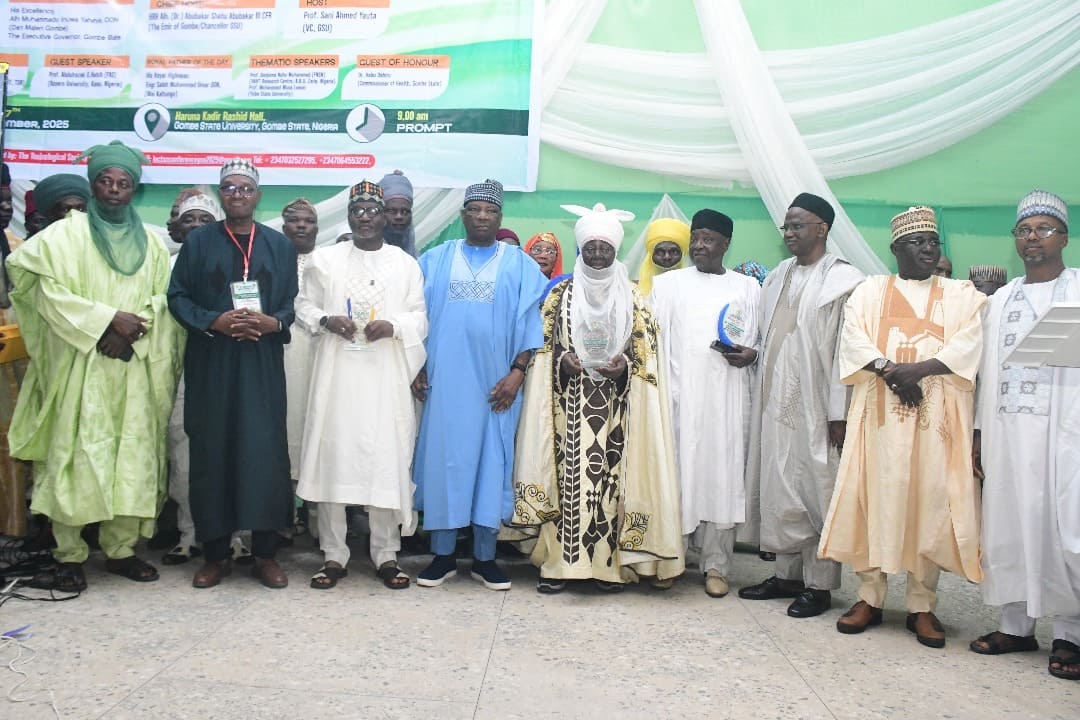
This was part of the communique issued by the society at the end of its second Annual General Meeting held between September 14 and 17 at Gombe State University.
The four-day conference, with the theme: ‘Exploring Indigenous Anti-Venom Development and Therapy in Nigeria: Policies, Challenges and Opportunities,’ attracted over 1,000 participants, including policymakers, clinicians, researchers, traditional leaders and students.
Experts revealed that Nigeria records about 43,000 snakebite cases every year, leading to nearly 1,900 deaths with children accounting for 30 percent of victims.
They identified delayed treatment, high cost of anti-venom and inadequate facilities, especially in rural areas, as key factors worsening outcomes.
In his keynote address, Professor Abdulrazak Habib stressed the urgent need for government and private sector collaboration to develop indigenous anti-venom, warning that failure to act would worsen mortality rates and economic losses.
The experts also visited the Snakebite Treatment and Research Hospital in Kaltungo, which they said is overstretched and in dire need of expansion.
The society in the communiqué read by its Secretary-General, Dr Mustapha Muhammad, recommended the establishment of a National Centre of Excellence for Venom, Anti Venom and Natural Toxins Research in Gombe, and the upgrading of the Kaltungo hospital into a fully equipped National Snakebite Hospital with modern equipment, surveillance systems and training capacity.
It urged the Gombe State government to dedicate at least one percent of its internal revenue to snakebite response, including free anti-venom distribution and integrate snakebite research and training into the curriculum of Gombe State University.