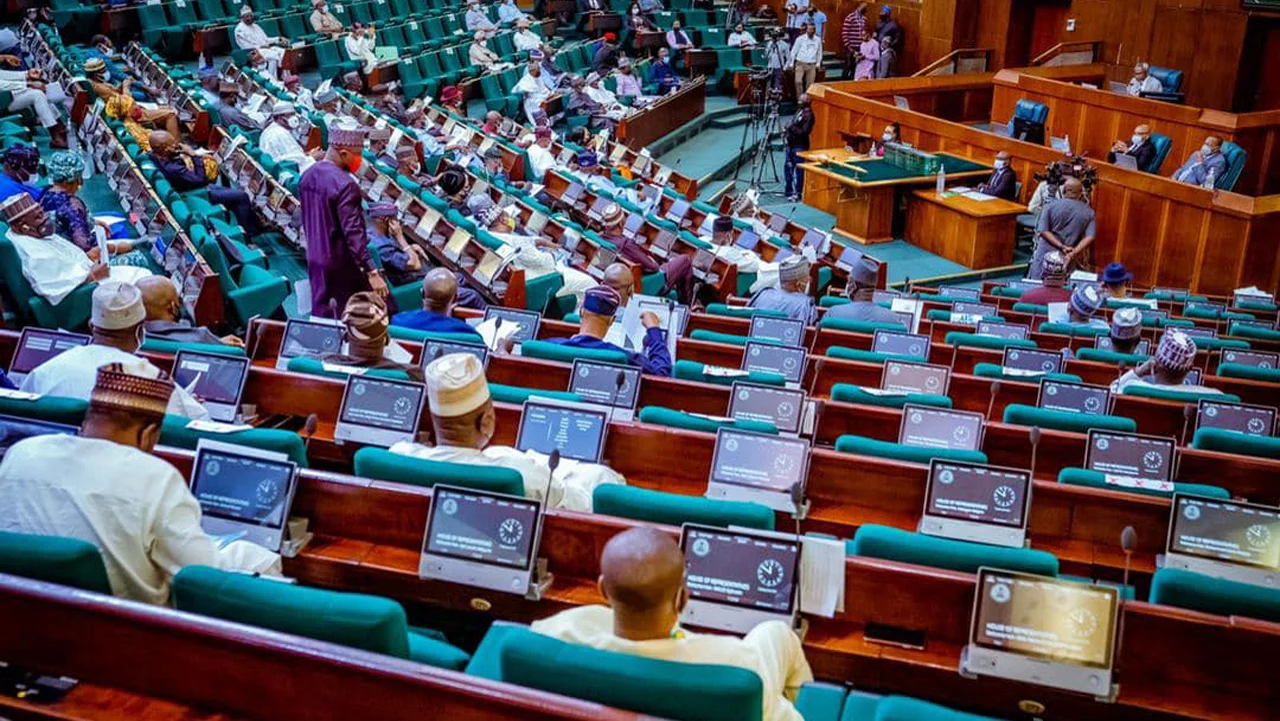
The ruling All Progressives Congress (APC) recorded another setback in the House of Representatives on Wednesday as three federal lawmakers formally announced their departure from the party, further highlighting the growing political realignments taking shape ahead of the 2027 general elections.
The latest defections occurred barely 24 hours after the National Assembly resumed legislative activities following the Eid-el-Kabir recess, a period during which political actors across the country intensified consultations, coalition-building efforts and strategic engagements aimed at positioning themselves for the next electoral contest.
At plenary, the lawmaker representing Jama’are/Itas-Gadau Federal Constituency of Bauchi State, Rabilu Bala, officially notified the House of his decision to leave the APC and join the Peoples Redemption Party (PRP).
Speaker of the House of Representatives, Tajudeen Abbas, read Bala’s letter of defection before members during proceedings.
In the letter, Bala explained that his decision was influenced by persistent disagreements and unresolved issues within the APC, which he said had made it difficult for him to continue pursuing his political objectives under the party’s platform.
He stated that the move followed extensive consultations with political leaders, supporters and stakeholders within his constituency.
According to the letter, the decision was informed by “concerns over developments within the party at both the state and national levels.”
The lawmaker maintained that joining the PRP would provide him with a more suitable platform to advance the interests and aspirations of the people he represents.
In a separate development, the member representing Yola North/Yola South/Girei Federal Constituency of Adamawa State, Abubakar Zango, also announced his resignation from the APC.
Zango formally declared his decision to join the African Democratic Congress (ADC), becoming the latest federal lawmaker to align with the opposition party, which has recently witnessed an influx of politicians seeking alternatives to Nigeria’s dominant political platforms.
In his letter to the House, the Adamawa lawmaker said his decision was driven by his personal convictions and what he described as the overriding national interest.
He assured constituents that despite his movement to another party, his commitment to effective representation, legislative accountability and democratic governance would remain unwavering.
Zango further pledged to continue carrying out his constitutional responsibilities with diligence and dedication while working to advance the interests of the people of his constituency.
The wave of defections did not end there.
Also announcing a change of political allegiance was Abdullahi, the member representing Dukku/Nafada Federal Constituency of Gombe State, who formally left the APC for the ADC.
His defection adds to the growing number of lawmakers and political office holders gravitating toward the ADC as political calculations ahead of 2027 begin to gather momentum.
The latest developments have intensified discussions about the evolving political landscape in Nigeria, with observers noting that the movement of elected officials across party lines has become increasingly frequent as the next election cycle approaches.
Although the APC continues to enjoy a comfortable numerical advantage in both chambers of the National Assembly, the recurring defections have drawn attention to concerns about internal cohesion in some chapters of the party.
Analysts point to issues such as leadership disputes, internal democracy, succession battles and disagreements over party structures as some of the factors fueling dissatisfaction among certain members.
For the PRP, Bala’s defection is expected to provide a boost to the party’s efforts to strengthen its relevance, particularly in northern Nigeria where it maintains historical significance.
The party traces its roots to the political ideology of the late Mallam Aminu Kano and has continued efforts in recent years to rebuild its support base and expand its influence across key states.
Meanwhile, the ADC has increasingly positioned itself as an attractive destination for politicians seeking a fresh political platform amid ongoing coalition talks among opposition leaders and groups.
The party’s growing profile has sparked speculation that it could play a more significant role in future electoral contests, especially if ongoing alliance discussions among opposition figures materialize into a broader political movement.
Political observers believe the latest defections may only represent the beginning of a wider wave of political movements expected in the coming months.
Many politicians are already reassessing their positions and exploring new alliances as parties begin internal preparations for candidate selection, coalition negotiations and campaign planning ahead of the 2027 general elections.
While some lawmakers have openly cited internal crises and disagreements as reasons for their departure, others are believed to be repositioning strategically to align with emerging political blocs that could shape the balance of power in the next election.
Despite the growing defections, the APC leadership has consistently dismissed concerns over the trend, insisting that the ruling party remains united, strong and capable of retaining its dominance nationwide.
Opposition parties, however, have interpreted the recent developments differently, arguing that the movement of lawmakers and political stakeholders reflects increasing dissatisfaction within the ruling party and presents an opportunity to broaden their support base.
As political activities continue to intensify across the country, attention is likely to remain fixed on the National Assembly and major political parties, with many expecting additional defections, alliances and strategic realignments in the months ahead as preparations for the 2027 elections gather pace.