
Joel Ajayi
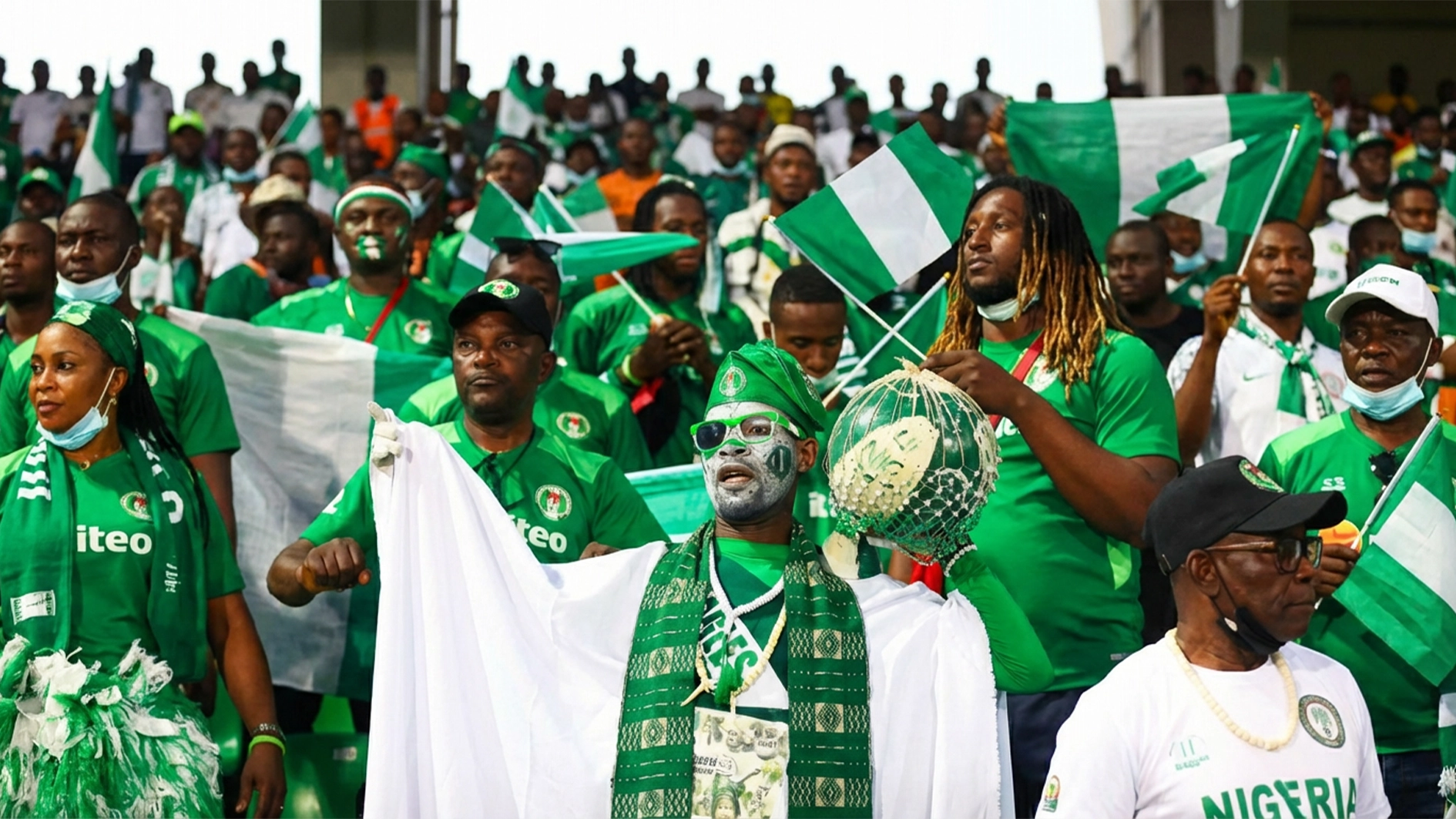
In 2025, the leadership of the National Sports Commission (NSC) and the Nigeria Football Federation (NFF) took a decisive step to end the long-standing crisis among the various football supporters’ groups in the country by constituting an Interim Management Committee (IMC) under a unified body known as the Nigeria Football and Sports Supporters Group (NFSSG).
The IMC was inaugurated in February 2025 with a clear mandate to unify the previously divided factions and reposition the supporters’ movement for stability and progress. Its tenure, as stipulated in the Memorandum of Understanding (MoU) signed by all parties, was strictly for one year.
Now that the one-year tenure has elapsed, the pressing question on the lips of many stakeholders is: what next for the supporters’ club.
It will be recalled that, Since the 2014 FIFA World Cup in Brazil, Nigeria’s football supporters’ family has struggled with internal crises.
What began as minor disagreements gradually escalated, leading to fragmentation and the emergence of six different groups.
Before the intervention of the NSC and NFF, Vincent Okumagba presided over the Super Eagles Supporters Club; Rev. Sam Ikpea led the Nigeria Football Supporters Club; Kemi Popoola headed the Football Fan Club of Nigeria; Abayomi Ogunjimi led the Authentic Nigeria Football and Allied Sports Supporters Club; Sunny Gullong served as president of the Nigeria Eagles Supporters Club; while Johnson Dagana led the All Sports Supporters Club.
The prolonged leadership tussles and factional divisions weakened the collective voice of Nigerian supporters both locally and internationally.
In what many described as a bold and timely move, the NSC brought all the factions under one umbrella by setting up the Interim Management Committee to oversee the transition into a unified body.
The IMC was constituted with Vincent Okumagba as Chairman, Peter Abraham as Vice Chairman, Sunny Gullong as Secretary, Amaka Okediadi as Financial Secretary, and Johnson Dagana as Treasurer.
According to the terms of the MoU signed in February 2025, the IMC was established to pilot the affairs of the unified supporters’ body for a period of one year from the date of inauguration.
The agreement clearly stated as follow:
“The IMC would comprise representatives from the formerly divided factions, with fair and equal representation.
“The committee would oversee the transition process, restructure the organisation, and lay the groundwork for future leadership.
“Members of the IMC would not use undue influence or any means to position themselves as Chairman of the Board of Trustees.
“The tenure of the IMC would be strictly one year, non-renewable, and non-extendable under any circumstances.
“Upon expiration of its tenure, a duly elected executive body would take over the affairs of the group.
“The agreement was duly signed by the leaders of the various factions, signaling a collective commitment to unity.”
With the expiration of the IMC’s tenure, stakeholders are now looking toward the next phase — the conduct of credible elections to usher in a democratically elected executive body, as clearly stipulated in the agreement.
The expectation among supporters and football enthusiasts is that the NSC and NFF will ensure a transparent transition process that consolidates the unity achieved over the past year.
For many observers, the success of the IMC will ultimately be measured not just by the temporary peace it restored, but by its ability to hand over to a legitimately elected leadership that commands the confidence of all members.
As Nigerian football continues to grow on the continental and global stage, a united and well-structured supporters’ body remains vital. The coming weeks will determine whether the gains of the past year will be sustained or whether old divisions will resurface.
The ball, once again, is in the court of the stakeholders.