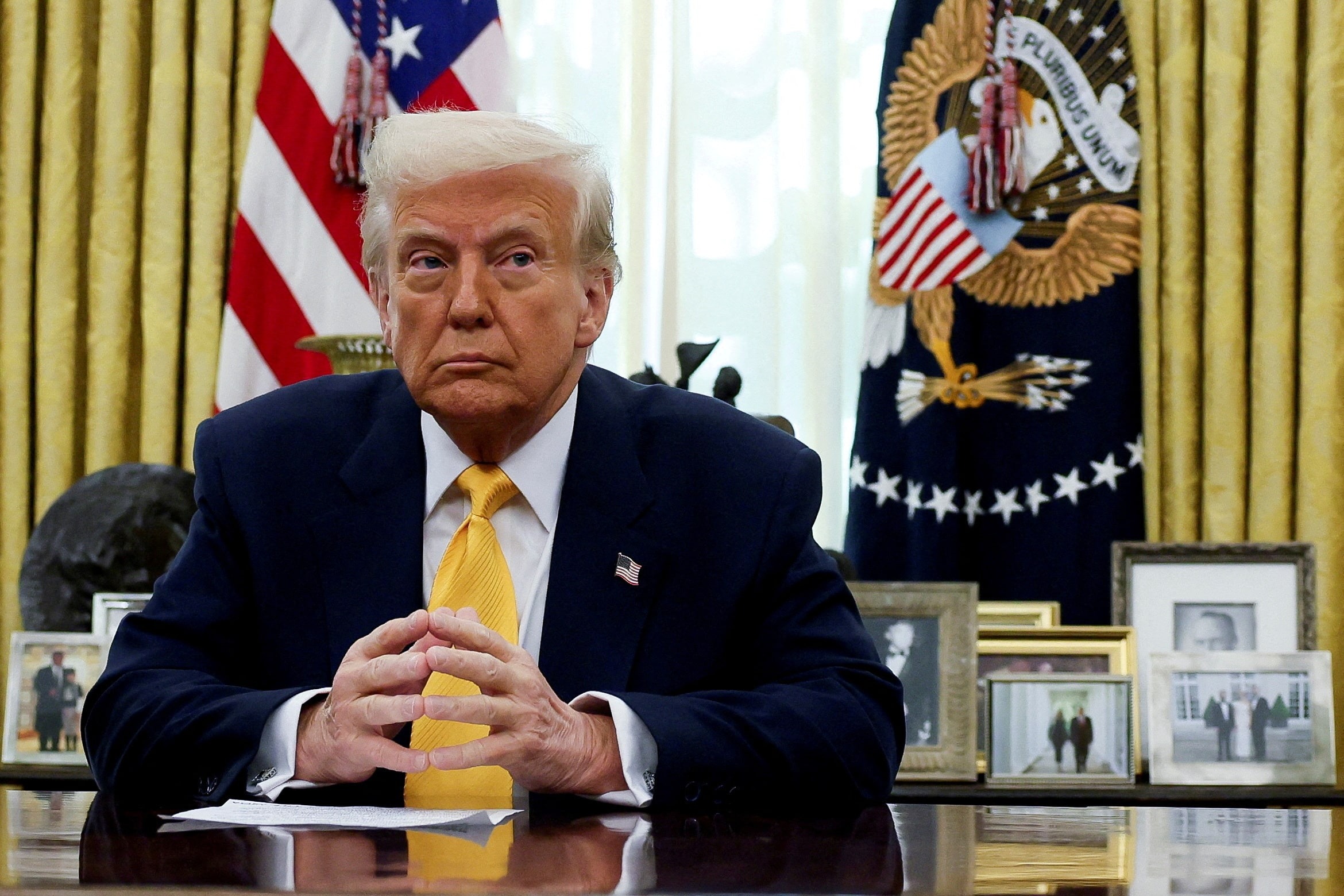
United States President Donald Trump has reportedly requested significant modifications to a proposed agreement aimed at ending the ongoing Middle East conflict, introducing new conditions that could further delay efforts to secure a final peace settlement.
According to reports from US media outlets on Saturday, Trump reviewed the proposed framework and directed that several provisions be strengthened before the document could receive his approval. The revised proposal has now been returned for consideration by Iranian officials, adding another layer of complexity to already delicate negotiations.
Sources familiar with the discussions told media organizations that the changes were intended to reinforce elements of the agreement that Trump considers critical to US national security and regional stability.
A report by The New York Times indicated that the president sought tougher terms within the proposed settlement, though the exact nature of the modifications was not immediately disclosed.
Meanwhile, Axios reported that Trump wanted greater emphasis placed on several issues that he personally views as essential, including the future handling of Iran’s nuclear materials and guarantees regarding Tehran’s nuclear ambitions.
The latest developments suggest that negotiators may require additional days of discussions before determining whether the agreement can move forward and ultimately bring an end to the conflict that erupted after joint military operations by the United States and Israel against Iran on February 28.
Prior to the revisions, sources in Washington had indicated that the proposal was awaiting only the president’s final approval. However, following a meeting in the White House Situation Room on Friday, Trump reportedly chose not to immediately endorse the framework, instead requesting further adjustments.
The decision has introduced fresh uncertainty into a diplomatic process that had recently appeared to be nearing a breakthrough.
Throughout the negotiations, Trump has consistently maintained that any agreement with Iran must include firm commitments preventing the country from developing nuclear weapons in the future.
He has also emphasized the importance of reopening the Strait of Hormuz, a vital global trade corridor through which approximately one-fifth of the world’s oil supply is transported.
The waterway has become a focal point of international concern during the conflict due to disruptions affecting commercial shipping and energy markets.
Analysts believe the president’s decision to strengthen parts of the proposal reflects an effort to secure stronger safeguards before formally endorsing any agreement.
While supporters argue that tougher conditions could produce a more durable settlement, critics warn that introducing new demands at this stage could complicate negotiations and prolong uncertainty across the region.
Iran has not yet publicly responded to the latest revisions, and it remains unclear whether Tehran will accept the amended framework or seek additional changes of its own.
Diplomatic efforts continue as both sides weigh the possibility of reaching a final agreement capable of ending months of military confrontation and easing tensions that have affected regional security and global economic stability.