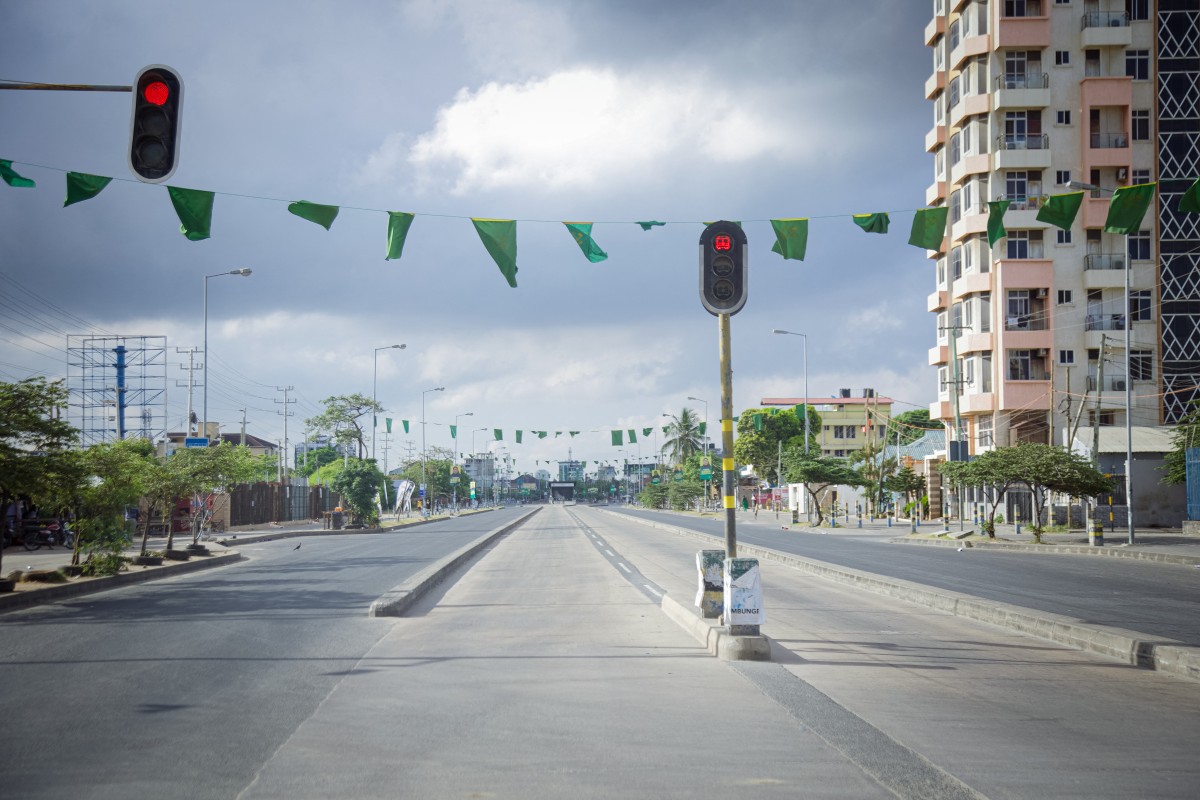
Tanzania’s commercial hub was virtually shut down on Tuesday as overwhelming security deployment discouraged planned demonstrations linked to the violent events surrounding the October elections.
Authorities had prohibited the rallies last week after the unrest that followed the October 29 vote, during which President Samia Suluhu Hassan was declared to have secured 98 percent of the ballots. Her administration was accused of manipulating the election process and presiding over killings and disappearances of political opponents, which triggered widespread unrest and confrontations across the nation.
Opposition figures insist that more than 1,000 people lost their lives over several days as security operatives forcefully dispersed demonstrators, allegedly enforcing a “shoot-to-kill” order. The government has not issued any official figures regarding the casualties. The clampdown on dissent has intensified since then, with hundreds arrested and charged with treason, an offence that carries the death penalty.
The planned demonstrations were expected to coincide with Tanzania’s independence day, but the usual celebrations had been suspended by the government even before the new protests were announced. On Monday, Prime Minister Mwigulu Nchemba appealed to citizens to remain indoors and “use the day for rest”.
By Tuesday morning, Dar es Salaam, the country’s main economic hub, appeared unusually deserted. Streets that were typically busy were empty, shops remained closed, and security officers were stationed across key parts of the city, according to AFP correspondents. One journalist reported being stopped and searched multiple times within a short walk through the capital. Public transport had completely ceased operations, and the major city route, Barack Obama Drive, was cordoned off.
Rights organisations say that individuals believed to be behind the planned protests, along with opposition supporters, had been detained or threatened ahead of the day. Human Rights Watch senior researcher Oryem Nyeko said the authorities were intensifying “the alarming climate of fear that prevailed prior to the elections to deter further protests”. Amnesty International also called on the government to “respect and protect the rights to freedom of peaceful assembly”.
International condemnation has increased, with the United States announcing it would be “comprehensively reviewing” its diplomatic engagement with Tanzania in light of the election violence. European Union lawmakers have also voted to halt development assistance. Observers from across Africa concluded that the election could not be considered free or fair, pointing to the exclusion of opposition figures and signs of direct manipulation at polling stations.