By Paul Effiong, Abuja
Worried over the incessant problems faced by many Nigerians in accessing health services, the House of Representatives is set to investigate the challenges facing the National Health Insurance Scheme, NHIS, and Health Maintenance Organisations, HMOs.
To this end, the House has mandated the Director-General of NHIS, Kelechi Ohiri, to liaise with its Committee on Healthcare Services to ascertain and examine the impact of NHIS on healthcare delivery in Nigeria, the challenges and possible solutions.
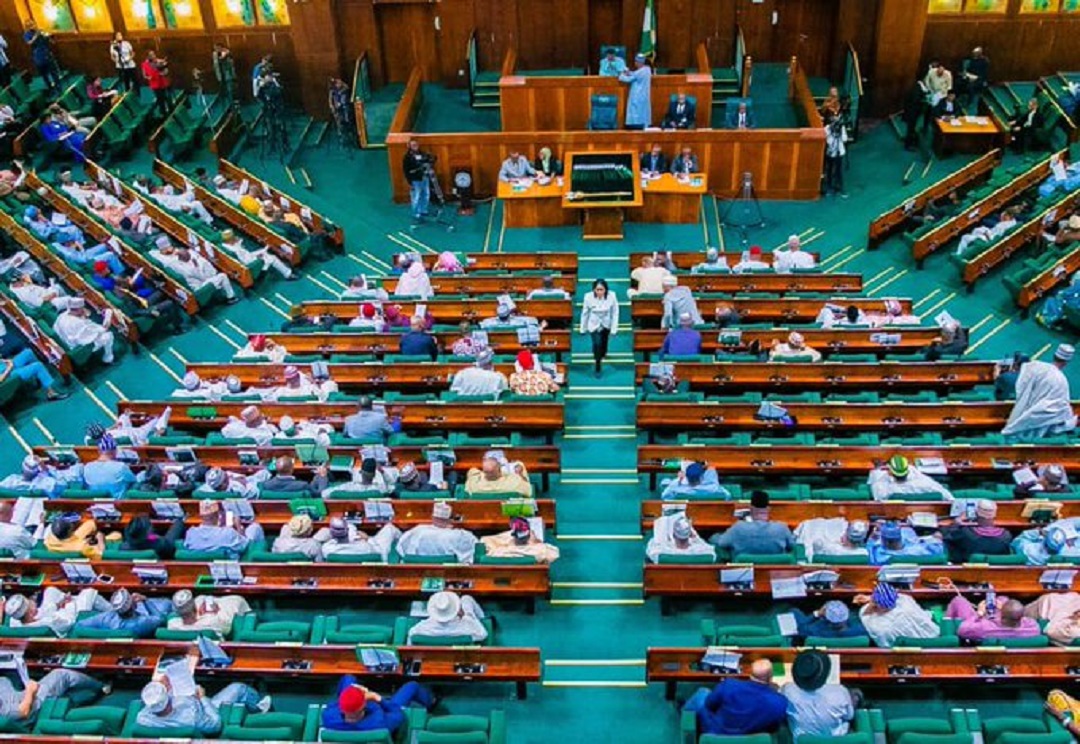
This was sequel to a motion of urgent public importance moved during plenary yesterday by Billy Osawaru on the urgent need to properly investigate the activities and challenges facing the agencies in order to proffer lasting solutions for the benefit of all Nigerians.
In his lead debate, Osawaru said his request was pursuant to Order 8, Rule 5 of the House Standing Rules, adding that his colleagues are fully aware that the National Health Insurance Scheme Act 1999 is to provide access to good healthcare services for Nigerians, as well as protect families from financial hardship due to huge medical bills.
The lawmaker disclosed that the 1999 NHIS Act was replaced with the Nigeria National Health Insurance Authority, NHIA, Act 2022 which mandates mandatory health insurance for all Nigerians and legal residents with the primary aim of achieving universal health coverage.
“This Act provides a framework for a comprehensive, accessible and affordable healthcare system with key objectives to promote, regulate and integrate health insurance schemes, as well as ensure access to quality healthcare for all”, even as he emphasized “that NHIS contract with HMOs to provide these services to beneficiaries who are federal and state government workers, private sector workers and other Nigerians.”
t informed that despite its potential, NHIS and HMOs have faced numerous challenges, including low coverage, inadequate funding and inefficient service delivery, as many Nigerians continue to face significant barriers in accessing quality healthcare due to financial constraints and inadequate infrastructure.
The House also expressed worry that despite efforts to increase coverage and improve welfare through quality healthcare delivery, only about five percent of Nigerians are enrolled in the NHIS.
It equally lamented that the said enrollees are facing numerous challenges such as poor quality of services and limited access to medications, stating that beneficiaries complain about out-of-stock medications, lack of quality medications and high incidence of out-of-pocket payment despite being insured.
Also worried that despite the efforts of government to adequately back the NHIS, its funding is generally considered inadequate and this causes delay in payment to healthcare providers (hospital/clinics).