By Paul Effiong, Abuja
House of Representatives has begun a structured review of the administration and impact of tax incentives, export incentives, waivers, exemptions and other fiscal support instruments granted by the federal government between 2015 and 2025.
The exercise is being undertaken by a 19-member ad-hoc committee set up to investigate revenue losses and leakages associated with the schemes and recommend appropriate policy and legislative reforms.
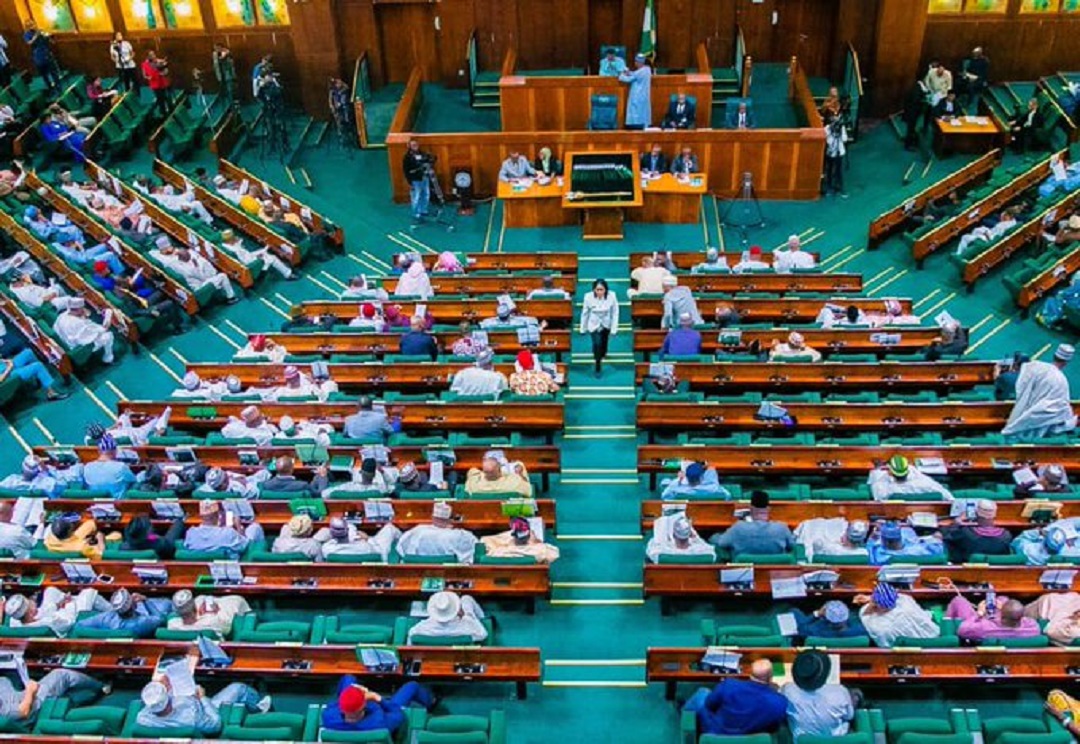
Chairman of the committee, James Faleke disclosed this Tuesday during the hearing held at the National Assembly in Abuja.
According to the lawmaker, the review followed a resolution of the House after a motion which was adopted in November last year.
According to him, available data indicates that Nigeria loses an estimated N8 trillion annually to waivers and concessions, even as he revealed that between 2023 and 2026, the federal government projects total revenue forgone from tax incentives was N12.4 trillion, even as tax-to-GDP ratio stands at just 10.6 percent.
The chairman also described the situation as paradoxical and concerning, especially in the light of the nation’s fiscal and developmental challenges.
He explained that: “Between 2023 and 2026, federal government projects total revenue forgone from tax incentives was N12.4 trillion, while the tax-to-GDP ratio remains at only 10.6 percent, which is among the lowest in Africa.”
This is paradoxical and concerning, given the financial and fiscal challenges our country Nigeria is facing.
The new tax regime, according to the panel, has presented Nigeria with an opportunity to look inwards,”
The lawmaker equally explained that while the incentives were originally designed to stimulate investment and promote exports, as well as support strategic sectors of the economy, there are growing concerns based on official data and budgetary reports that significant public revenues may have been forgone or ineffectively applied.
Lawmakers stressed that the House considered it necessary and timely to properly investigate the implementation of the schemes, assess their economic impact and address anomalies in their administration.
The chairman disclosed that his committee would conduct its assignment in phases, with the first phase focusing on four priority areas with significant fiscal implications.
The Export Expansion Grant, EEG, RT200bn FX Programme, Pioneer Status Incentive, as well as the selected oil and gas fiscal incentives, even as they informed that the exercise is not a witch-hunt, but an attempt to strengthen the administration of incentives, safeguard public funds and restore confidence in policies intended to drive investments and export-led growth.
Meanwhile, the committee has requested for all relevant documents from crucial Ministries, Departments, and Agencies, and will invite beneficiary companies where necessary.
They assured all stakeholders that periodic updates will be provided as the review progresses from one stage to another.