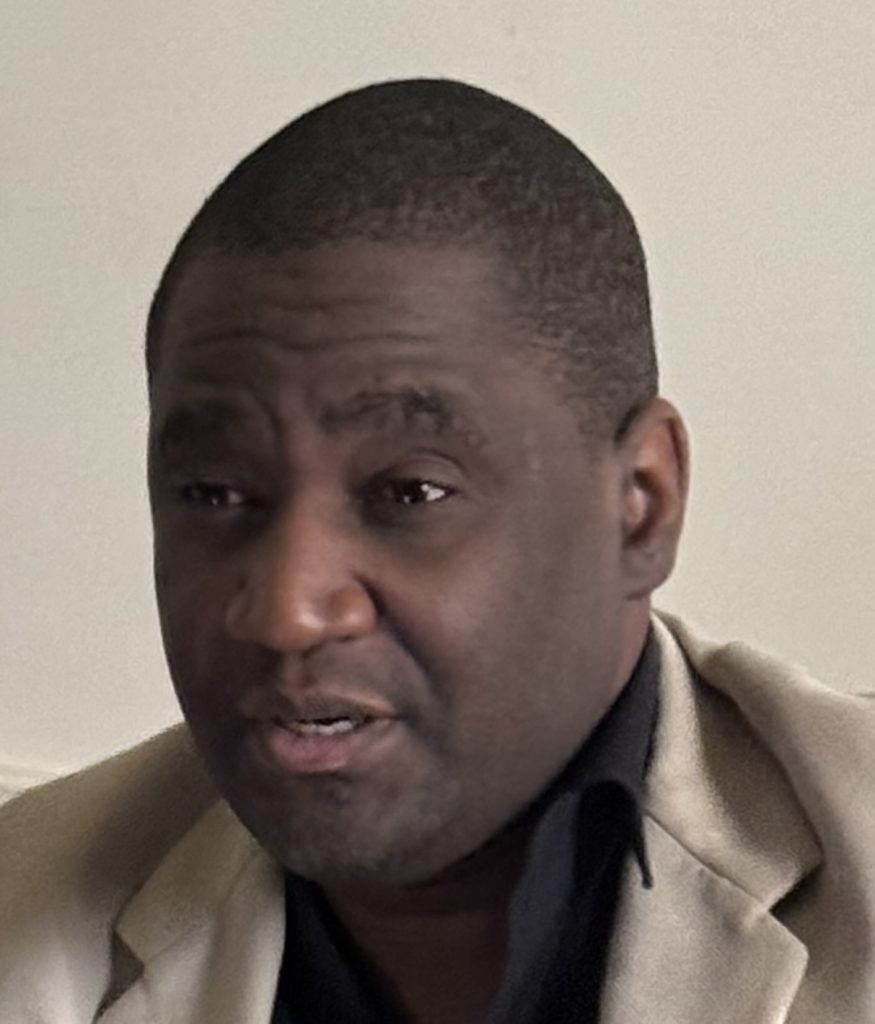
Prince Jidayi, Managing Director of Hasetins Commodities Limited, speaks with select journalists in Abuja on the company’s expanding mining operations, its focus on critical rare-earth metals, and a business model that is quietly transforming rural communities. DAVID MAXWELL reports for AljazirahNigeria Newspapers.
What is Hasetins Commodities all about?
Hasetins is an integrated mining company. We operate across the entire value chain—from exploration and mining to processing and off-take. Over the past 10 to 15 years, we have invested millions of dollars in exploration across Nigeria, acquiring multiple mining sites and building strong in-house processing capacity. Along the way, we recognised the direction in which the global economy is heading and deliberately repositioned ourselves to focus on metals that are critical to modern technology and future industries.
Why did you choose Nasarawa State for your processing plant?
Logistics played a major role. Being located in central Nigeria makes it far easier to move feedstock from different parts of the country. Proximity to Abuja is also critical, particularly because we are exploring platinum-grade minerals that require airlifting. Access to the airport, infrastructure, and a central operational hub allows us to scale efficiently and respond quickly to market demands.
What types of minerals do you process?
We focus primarily on rare-earth elements. At present, we are beneficiating metals such as neodymium and praseodymium—both of which are essential to modern technology. These metals are used in high-performance magnets found in electric vehicles, renewable energy systems and other advanced applications. As the world moves away from fossil fuels, demand for these materials is accelerating, and we are positioning Nigeria to be part of that green transition.
You also mentioned military applications. Can you elaborate?
Rare-earth metals are indeed used in defence systems, but I am limited in what I can say. What I can confirm is that we supply minerals that enhance defence capabilities in friendly countries.
Where are your markets?
Our off-take markets are in friendly nations across both the West and the East. Countries like Japan, for instance, are highly advanced technologically and require a steady supply of critical metals. These are the kinds of markets we serve.
How does this translate into concrete benefits for Nigeria?
First, this is genuine foreign direct investment. We bring in advanced equipment and technology and train Nigerians to operate them. Beyond that, we actively involve host communities. At our mining sites, we allocate areas where local miners are trained, equipped with safety gear and supported to mine independently.
We establish Satellite Separation Centres within these communities, where miners bring their ore for processing and are paid transparently based on quality and quantity. In practical terms, many villagers earn close to the national minimum wage in less than two days of work. This model has earned us strong community trust and created a powerful ripple effect—local food vendors, transporters and fuel sellers all benefit. We are already replicating this model in other locations and expanding our licence portfolio nationwide.
Given the security challenges in some mining areas, how do you protect your operations?
Security is central to mining anywhere in the world. Our community-based model itself helps reduce insecurity. When people have legitimate, well-paying work, the incentive to engage in criminal activity diminishes significantly. We also work closely with community leaders and deploy government-approved security personnel where necessary. Nasarawa State, in particular, has made commendable efforts to improve security, and we support that by creating jobs and economic stability at the grassroots.
What about environmental concerns?
Environmental protection is non-negotiable for us. We invest heavily in preventing chemical leakage and environmental degradation. At artisanal sites, we construct sedimentation pits to contain waste and prevent contamination. We also use advanced filtration systems—developed in partnership with global specialists—to remove all metals from water before it is recycled or released.
In many cases, the water discharged from our facilities is cleaner than when it entered. We enforce strict safety and environmental compliance. Anyone who violates our standards is immediately removed from site. There are no compromises on this front.
How do you see Nigeria becoming a global player in rare metals?
We are investing aggressively in exploration. We recently acquired long-range drones equipped with AI-powered exploration tools, operated by scientists from across the world. These technologies allow us to identify new mineral-rich locations efficiently. The more resources we discover, the more Nigeria can supply to global markets—and the stronger its position becomes in the critical minerals value chain.
How many jobs can the Uke plant generate?
Directly and indirectly, we are looking at tens of thousands of jobs within the next few months. A single artisanal site can engage between 500 and 2,000 people. As operations expand, migration into these communities increases, and economic activity grows rapidly. While artisanal mining provides supplementary feedstock, our core production comes from mechanised operations, ensuring stable and predictable output.
Is Hasetins the largest rare metals mining company in Nigeria?
I cannot say that definitively. What I can say is that we have invested tens of millions of dollars in state-of-the-art equipment and analytical facilities, calibrated to international standards such as SGS. Our scale and level of investment are significant by any measure.
Can you shed light on the reported $400 million investment?
The government supports us through policy alignment and security. Financing, however, has been entirely private. We syndicated the investment through high-net-worth individuals—friends and long-term partners—from Western Europe, the United States and Asia. All investors are bound by non-disclosure agreements. What matters is transparency: every dollar can be traced through equipment purchases and project execution. That is the model we have chosen, and it has worked effectively.