By Joel Ajayi
As part of efforts to promote environmental sustainability and youth engagement ahead of the Glasgow 2026 Commonwealth Games, the Royal Commonwealth Society (RCS), in partnership with the National Sports Commission (NSC) and the Commonwealth Games Nigeria, has officially launched the Clean Oceans Plastic Awareness Campaign in Nigeria.
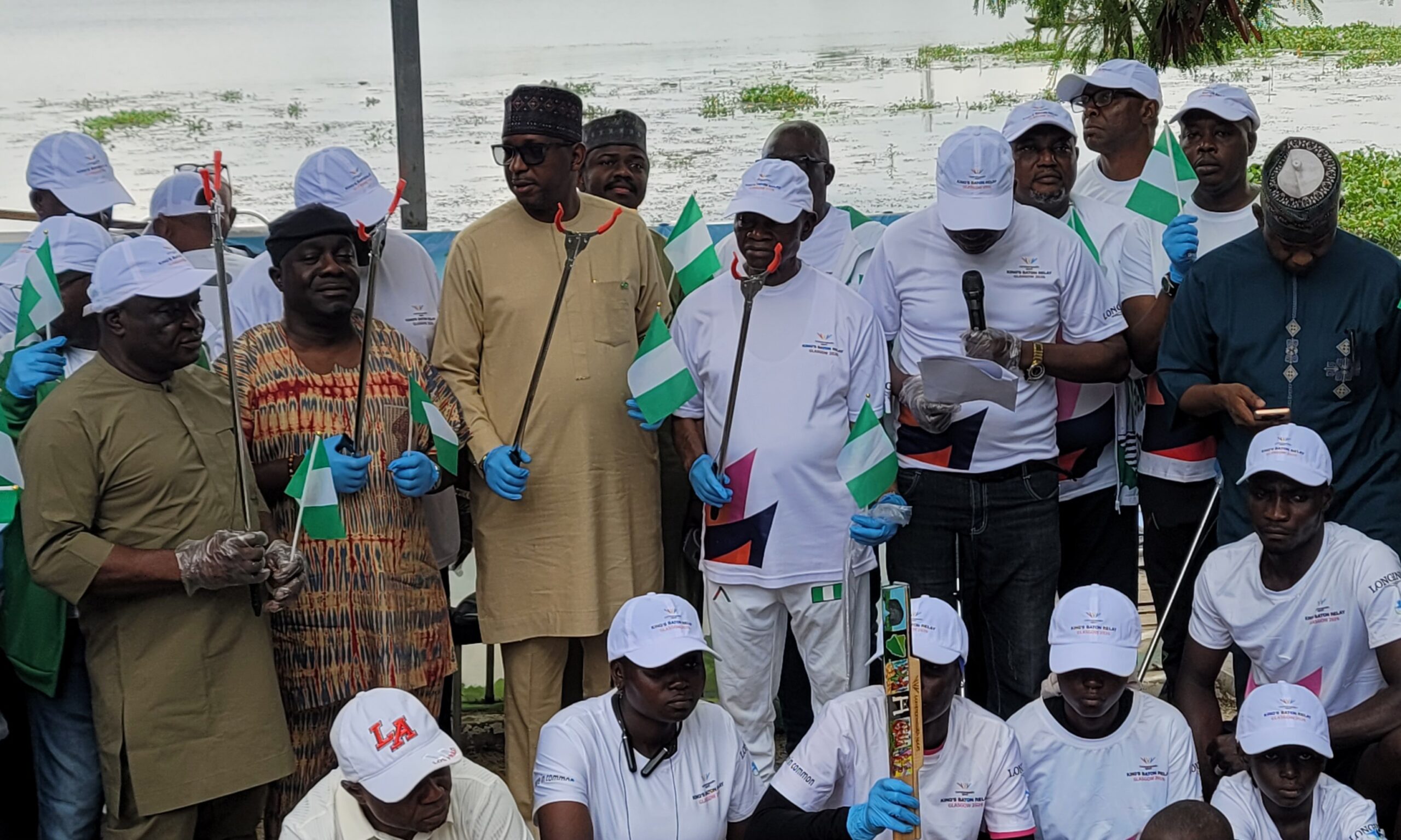
The initiative was formally flagged off on Wednesday at Jabi Lake, Abuja. It aims to raise awareness about plastic pollution, promote responsible disposal of plastic waste, and engage young people in environmental conservation—particularly around the nation’s waterways.
Speaking at the event, the Country Director and CEO of the Royal Commonwealth Society, Mr. Blackson Olaseni Bayewumi, said the campaign is part of a broader Commonwealth-wide commitment to reducing plastic pollution. He emphasized the transformative role of sports in driving environmental awareness and behavioral change among young people.
“The Commonwealth accounts for one-third of the world’s ocean waters, and nearly half of its member states are Small Island Developing States that are disproportionately affected by plastic pollution,” Bayewumi stated.
“The Royal Commonwealth Society’s Clean Oceans Plastics Campaign aims to prevent one million pieces of plastic from entering Commonwealth waterways. The campaign will combine education with local action, encouraging people to reduce plastic use, explore alternatives, and minimize pollution.”
Bayewumi revealed that the action component of the campaign will be delivered in collaboration with Commonwealth Sport as a key feature of the newly reimagined King’s Baton Relay. This version of the Relay, focused on sustainability and environmental consciousness, was launched by His Majesty The King at Buckingham Palace on Commonwealth Day 2025. It marks the start of a 500-day journey to the Commonwealth Games in Glasgow, set for July 2026.
As the Baton travels through all Commonwealth nations and territories, the campaign will unite youth, athletes, conservationists, and communities in week-long activities—most notably plastic clean-ups.
Bayewumi highlighted the scale of the global plastic crisis, noting:
“We produce over 400 million tonnes of plastic annually, and more than 12 million tonnes end up in our oceans. If this trend continues, by 2050 there could be more plastic in the oceans than fish.
“Plastic pollution threatens marine life—suffocating birds, fish, and sea mammals, while damaging entire ecosystems. What’s more alarming is that when plastic breaks down into microplastics, it enters our food, water, and air, posing unknown risks to human health.”
He warned that early studies suggest microplastics may disrupt various bodily functions, and currently, there is no known method to remove them from the human body.
With this initiative, Nigeria joins other Commonwealth nations in reaffirming its commitment to a greener, cleaner planet in the countdown to Glasgow 2026.
Notable dignitaries at the launch included the Chairman of the National Sports Commission, Mallam Shehu Dikko; the Director-General of the NSC, Hon. Bukola Olopade; President of the Nigeria Olympic Committee, Engr. Habu Gumel; as well as other senior directors and stakeholders in the Nigerian sports and environmental sectors.