
Chief of Staff, Africa Centre for Disease Control and Prevention, Africa CDC, Dr Ngashi Ngongo, has expressed concern over the resurgence of cholera cases and mpox transmission in parts of Africa.
Ngongo shared his concern and update during the agency’s weekly webinar briefing in Abuja, yesterday.
He said while encouraging progress that had been recorded in previously high-burden countries, new surges are being observed in Liberia, Kenya and Ghana.
He said Ghana, for instance, had recorded an average of 38 mpox cases, with most infections concentrated in the Western and Greater Accra regions.
Ngongo said this accounts for 70 percent of all reported cases out of the 3,449 identified contacts, with 16 testing positive.
“Mpox testing in Ghana has now been decentralised across 15 regions and the country began vaccination on October 3 with 33,000 doses deployed nationwide.
“On cholera, Africa has surpassed the total number of cases recorded in 2024, with 272,324 cases reported by Week 39.
“This is compared to the 254,075 cases in the previous year. The case fatality rate also rose to 2.3 percent, up from 1.9 percent in 2024,” he said.
Ngongo added that 23 member-states had been affected so far, with 17 currently reporting active outbreaks.
He added that the number could rise as many countries enter the rainy season, which favours cholera transmission.
He named Chad, Angola and Burundi among the countries with the sharpest increase in cholera cases, recording more than a 160 percent rise between epidemiological Weeks 34 and 39, compared to the previous six weeks.
“Angola’s resurgence was particularly worrisome, with new hotspots emerging in Lunda Norte, Nuich and Willa, in spite of earlier declines, following oral cholera vaccination campaigns that distributed two million doses in July.
“Unsafe water, poor sanitation and outbreaks in mining and river-dependent communities remain key drivers of the epidemic in Angola.
“In Burundi, cases had surged by 26 percent since Week 29, although no deaths have been reported,” he said.
The chief of staff explained that the outbreak was driven by water scarcity, poor sanitation and cross-border population movements from the Democratic Republic of Congo, DRC.
He highlighted ongoing efforts to contain Rift Valley fever outbreaks in Senegal and Mauritania, while DRC continues to report encouraging progress in containing mpox, with no confirmed cases for 10 consecutive days.
He said the vast majority of recent outbreaks were the result of zoonotic spillovers, underscoring the need to strengthen multisectoral coordination through the One Health approach.
“The whole issue of access to medical countermeasures remains real.
“This is why we need to step up research, development and local manufacturing to ensure that Africa produces its own vaccines, therapeutics and diagnostics,” he said.
Ngongo added that the newly signed collaboration between Africa CDC and the World Health Organisation, WHO, would significantly advance efforts toward stronger partnerships, improved integration and better coordination of response to multiple public health events across the continent.
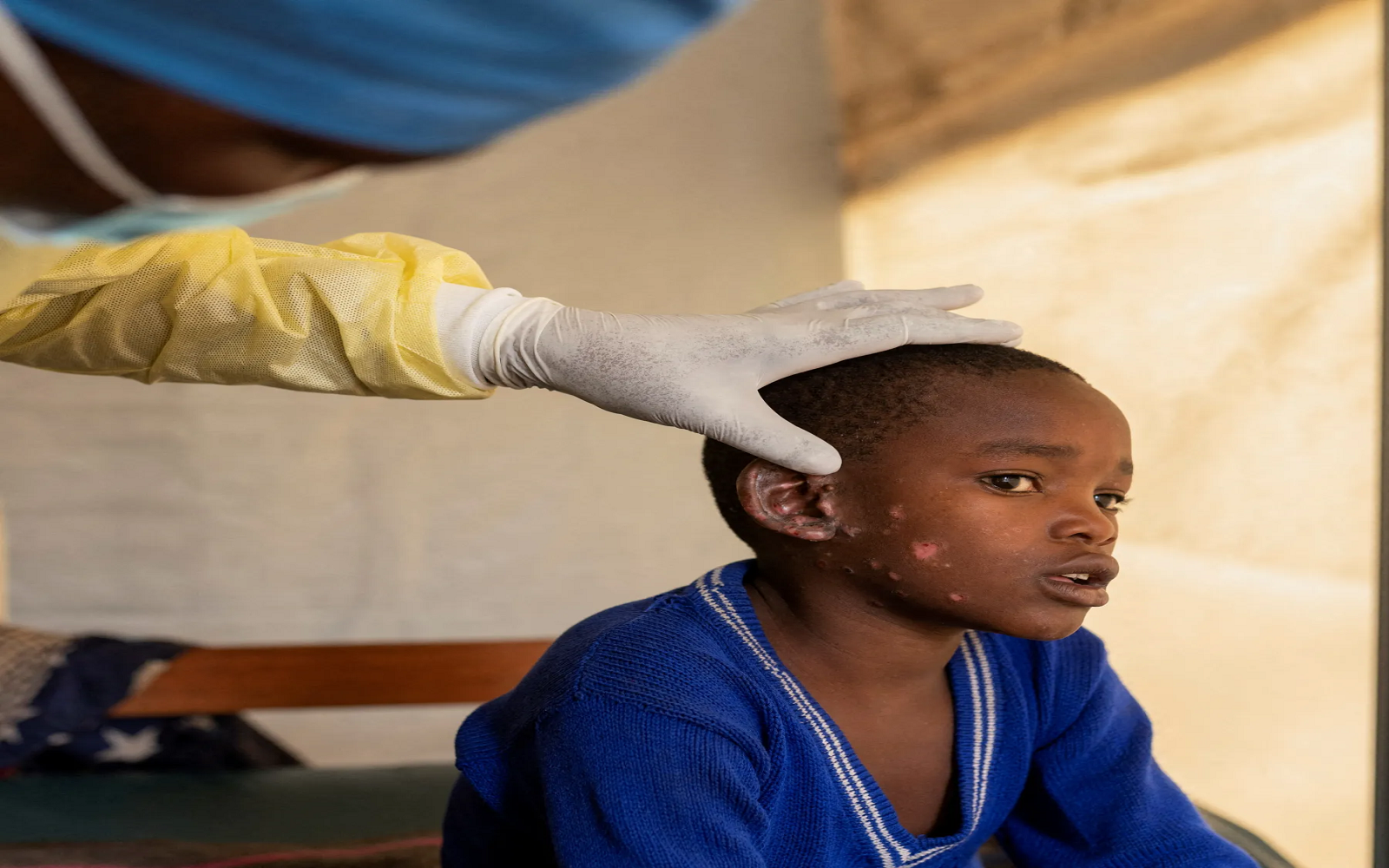
Mpox is caused by the mpox virus and a member of the orthopoxvirus family (closely related to smallpox).
The symptoms include fever, headache, swollen lymph nodes and a rash that looks similar to smallpox but is usually milder.
Mpox spreads through close contact with an infected person, animal or contaminated materials.
In recent years, its outbreaks have increased worldwide, partly because population-level immunity from smallpox vaccination has waned.
Cholera, a waterborne disease caused by Vibrio cholerae bacteria, spreads through contaminated food and water.
It causes acute watery diarrhoea and could be fatal if untreated.
However, early detection and access to safe water, sanitation and treatment are key to its prevention. NAN