By Paul Effiong, Abuja
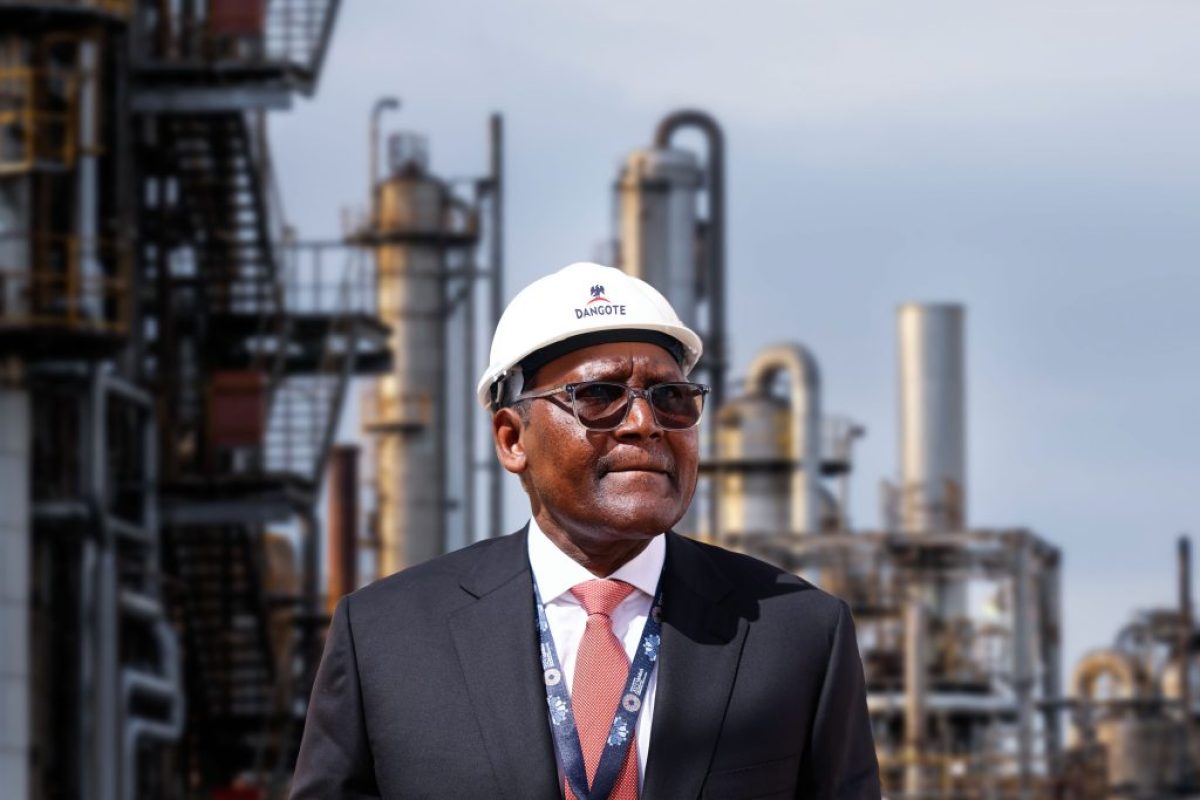
The Founder, Dangote Group, Alhaji Aliko Dangote has warned against using the cry of monopoly to discourage indigenous investment and industrial growth in Nigeria, saying no one was prevented from investing in the country.
Dangote made the appeal yesterday at the 2025 Inaugural Annual Downstream Petroleum Week organized by the House of Representatives Committee on Petroleum Resources, Downstream.
Represented by the Group Chief Strategy Officer at Dangote Industries Limited, Aliyu Suleman, he rather encouraged focus on policies that encourage productivity, innovation, and competition.
Addressing the issue of monopoly with the refinery, he said, “Too many people with the means to build industries chose instead to invest abroad. We decided from afar while adding little value to our economy. We have chosen differently. We have chosen to get to Nigeria. We have chosen to build here, to employ here, to produce here. So let us not use the cry of monopoly to start from growth. No one is prevented from investing.We welcome others to build their own refineries and we will offer support in whatever way we can.”
“Nigeria holds the natural competitive advantage in refining. We enjoy proximity to oil and gas supply. We should therefore work together to develop this sector.
“We should work to enact and implement laws that will help this sector to prosper. Let us protect our industries and deliver the economic transformation this country deserves.”
He said today, the Dangote Refinery can meet all of Nigeria’s demand for diesel and jet fuel and still have surplus for exports.
Dangote said soon, the refinery would be listed on the stock exchange, giving Nigerians the opportunity to become shareholders of this national asset.
He said Africa’s refining sector remains underdeveloped, both relative to its consumption and relative to the volume of crude that is produced in Africa.
“While Europe and Asia refine over 95 % of their petroleum product refinement, Africa refines only 40%. In sub-Saharan Africa, there are very few large functional refineries today. This is understandable because refining is capital intensive, it is technologically complex and often is a low margin business. So as a result, many entrepreneurs and governments have chosen to stay away. But at Dangote, we are known for taking bold steps. We are known for making large scale investments to substitute imports and create value in the country.
In his address , the Speaker of the House of Representatives Hon. Tajudeen Abbas called on stakeholders in the petroleum industry to work collaboratively to reposition Nigeria’s downstream sector for sustainable growth, transparency, and innovation.
He said the event’s theme, “Celebrating Our Successes, Confronting Our Challenges and Finding Solutions for the Petroleum Downstream Sector,” reflected the country’s need to celebrate progress while tackling long-standing challenges through collaboration and self-assessment.
The Speaker, who was represented by his deputy, Hon Benjamin Kalu, said the conference should serve as a defining moment in reshaping the downstream petroleum landscape.
He noted that Nigeria is at a critical juncture in its industrialisation drive and commended President Bola Ahmed Tinubu for the ongoing reforms under his Renewed Hope Agenda, which, he said, are revitalising key sectors of the economy, including oil and gas.
Abbas particularly lauded the operational take-off of the Dangote Refinery, describing it as a turning point in Nigeria’s quest for energy self-sufficiency.
He said the anticipated emergence of other private refineries underscores the need for a functional and enabling environment that will encourage investment, promote efficiency, and reduce dependence on fuel imports.
The Speaker recalled that much of the progress recorded in the petroleum sector was made possible by the landmark Petroleum Industry Act, PIA, 2021, which restructured the Nigerian National Petroleum Company, NNPC, nto a commercial entity and established regulatory agencies such as the Nigerian Upstream Petroleum Regulatory Commission, NUPRC, and the NMDPRA.
He said the PIA has renewed investor confidence, promoted transparency, enhanced competition, and curbed oil theft and inefficiencies. Abbas reiterated that the National Assembly remains committed to crafting laws and policies that strengthen the downstream sector and ensure it contributes meaningfully to national development.