Iran has announced the closure of the Strait of Hormuz following what it described as a naval confrontation involving its forces and renewed military exchanges with the United States in the Middle East.
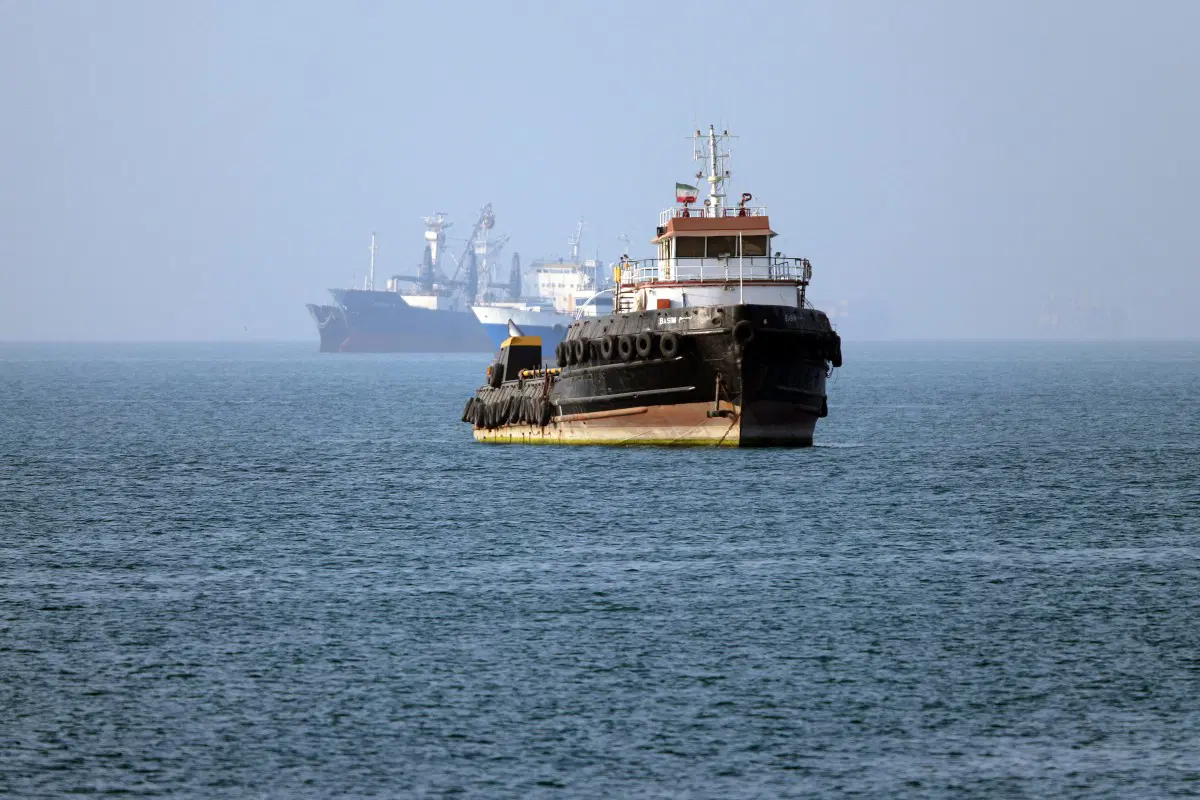
According to Iranian authorities, the decision came after the Islamic Revolutionary Guard Corps (IRGC) accused a vessel of navigating through the strategic waterway using an unauthorised route.
Iranian state-affiliated media reported that the IRGC fired a naval cruise missile as warning fire at the vessel after it allegedly ignored repeated instructions to alter its course.
The reported incident was followed by another round of military action, with Iranian officials claiming that the United States launched fresh strikes after the confrontation at sea.
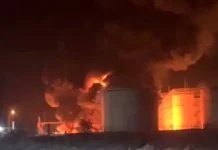
Iranian authorities also alleged that the IRGC subsequently carried out attacks against American military bases and allied interests across the region.
In a statement published by Tasnim News Agency, which is affiliated with the IRGC, the military said the Strait of Hormuz would remain closed until further notice.
The statement attributed the decision to what it described as unlawful interference by foreign powers in one of the world’s most strategically important maritime routes.
“Given the precariousness that was caused by this unlawful interference by outside parties, the Strait of Hormuz is to be closed until further notice and until regional interference by the US ceases,” the statement said.
“No vessel or naval craft will be allowed to pass,” it added.
The IRGC further warned that any attempt by the United States to challenge the reported closure could trigger a stronger military response.
According to the statement, American military installations across the region could become targets if further action is taken against Iran.
Meanwhile, Iran’s parliamentary speaker and chief negotiator in discussions with the United States, Mohammed Bagher Ghalibaf, said the period of what he described as one-sided agreements had come to an end.
In a post shared on X, Ghalibaf declared that Iran would no longer tolerate what it considered breaches of previous understandings.
“We told you: keep your word or pay the price. Reality is knocking,” he wrote.
The Strait of Hormuz remains one of the world’s most significant maritime chokepoints, linking the Persian Gulf with the Gulf of Oman and the Arabian Sea.
A substantial proportion of the world’s crude oil and liquefied natural gas exports passes through the narrow waterway each day, making any disruption capable of affecting global energy markets and international shipping.
Any prolonged interruption to navigation through the strait could have significant economic consequences, including higher energy prices, increased shipping costs and heightened geopolitical tensions across the Gulf region.
The latest developments come amid continued hostility between Iran and the United States, with diplomatic efforts to ease tensions remaining uncertain as both sides exchange accusations over recent military activities.