
Access to medical oxygen is a critical lifeline for maternal healthcare, particularly in states with high maternal mortality rates. Many maternal deaths result from hypertensive crises during pregnancy, such as eclampsia, which require timely oxygen therapy. By ensuring functional oxygen plants operate daily and providing oxygen free of charge, the Federal government is making significant strides in reducing maternal deaths, Blessing Otobong-Gabriel report.
As Nigeria continues to grapple with high rates of maternal and under-five mortality, access to medical oxygen has emerged as a critical but often overlooked lifeline in health facilities across the country, recognising this gap, the Federal Government’s Oxygen Sustainability Plan seeks to ensure reliable, affordable, and continuous oxygen supply in hospitals and clinics nationwide.
If fully implemented, this strategy could dramatically reduce preventable deaths among mothers and children particularly during childbirth complications, severe infections, and respiratory illnesses by transforming how health systems deliver and manage this essential therapy. In effect, it offers a blueprint for saving thousands of lives and strengthening the country’s broader push toward safer maternal and child health outcomes.
In a groundbreaking move, the Federal Government is rallying key stakeholders from the Federal Ministry of Health to private oxygen suppliers into a cohesive effort to stabilize oxygen supply in Primary Health Centers (PHCs) across Nigeria.
By fostering collaboration and streamlining logistics, this coordinated approach ensures that even the most remote communities have equitable access to life-saving medical oxygen marking a major step toward reducing maternal and respiratory mortality in the country.
On Tuesday, the Federal Government reaffirmed its commitment to strengthening medical oxygen sustainability across the country, with women and children expected to be among the greatest beneficiaries.
Speaking at 2025 national oxygen coordination meeting on Tuesday in Abuja, the National Desk Officer for Oxygen at the Federal Ministry of Health, under the Department of Hospital Services, Dr. Gilbert Shetak, spoke on efforts to expand oxygen access across the country, saying under his leadership, the government is prioritising the expansion of oxygen production and distribution nationwide.
He said oxygen production is largely driven by the private sector, noting that several private companies are already producing oxygen in Nigeria. However, the government’s role is to ensure increased funding from both the federal and state governments, while also engaging continuously with private sector players to boost production capacity.
He explained that efforts are ongoing to expand liquid oxygen production. Currently, APEX appears to be the only major player in that space. Some companies that were previously active in the sector have exited the country. For instance, Air Liquide, which had operated in Nigeria for years, has sold its operations, while IMG has taken over from BOC Gases.
Despite these changes, the government is maintaining dialogue with industry players to encourage increased oxygen production and ensure effective uptake and distribution across states.
Dr. Shetak emphasised the need for both federal and state governments to allocate dedicated budgetary provisions toward expanding oxygen production and improving access nationwide.
Responding to a question about regional collaboration, he noted that the country has made significant progress compared to where it started. According to him, the strides already made demonstrate that scaling up oxygen access is achievable.
He stressed that improvements are ongoing across private facilities, secondary and tertiary health institutions, including the deployment of Pressure Swing Adsorption (PSA) oxygen plants and strengthening distribution systems.
He reiterated that the goal of the ongoing engagement is to ensure that oxygen reaches the “last mile” — particularly Primary Health Care Centres (PHCs), which are the closest health facilities to communities and serve as the first point of contact for most Nigerians.
He added that oxygen expansion efforts are already being implemented across the senatorial zones, with plans to extend fully to local government areas. The next critical focus, he said, is ensuring that PHCs are adequately equipped to guarantee access for communities at the grassroots level.
Also, Eno Edem Igabo, Secretary of the National Oxygen Desk at the Federal Ministry of Health (FMoH), said the programme is designed to serve all Nigerians, particularly at the grassroots level, while addressing critical gaps in maternal and child healthcare.
According to her, although the initiative is not exclusively targeted at women, they are disproportionately affected in medical situations where oxygen is required.
“Everyone needs oxygen to survive, but in medical cases, women are often the most affected especially during antenatal care, childbirth, surgeries, and other emergencies.
Oxygen is also the first line of treatment for childhood pneumonia,” she said.
She explained that women bear the greatest burden when children fall ill, noting that prompt access to medical-grade oxygen significantly improves outcomes in cases involving respiratory distress and oxygen deficiency.
“Oxygen is a vital medicine. It makes treatment more effective and reduces complications for women and children. They have already been benefiting from improved access, and they will continue to benefit as we strengthen sustainability,” she added.
On funding for oxygen infrastructure in maternal and emergency wards, Edem igabo said arrangements vary across states due to differing health financing structures.
Hospitals also try to support indigent patients where possible,” she said.
She acknowledged that oxygen remains an expensive but essential medicine, stressing that the government is working with subnational authorities to reduce costs and ensure long-term availability.
“Our focus has shifted from just providing equipment to sustaining oxygen systems so they can serve the population over time. Sustainability is key,” she stated.
Edem Igabo highlighted the critical role of private sector partners in expanding infrastructure and optimizing oxygen systems nationwide.
“The private sector has been a bedrock in providing infrastructure and technical support. We have conducted needs assessments and gap analyses across the country, and we are working together to ensure our strategies translate into real impact,” she said.
She added that policymakers are now being more actively involved in the process to align implementation with state-level policies.
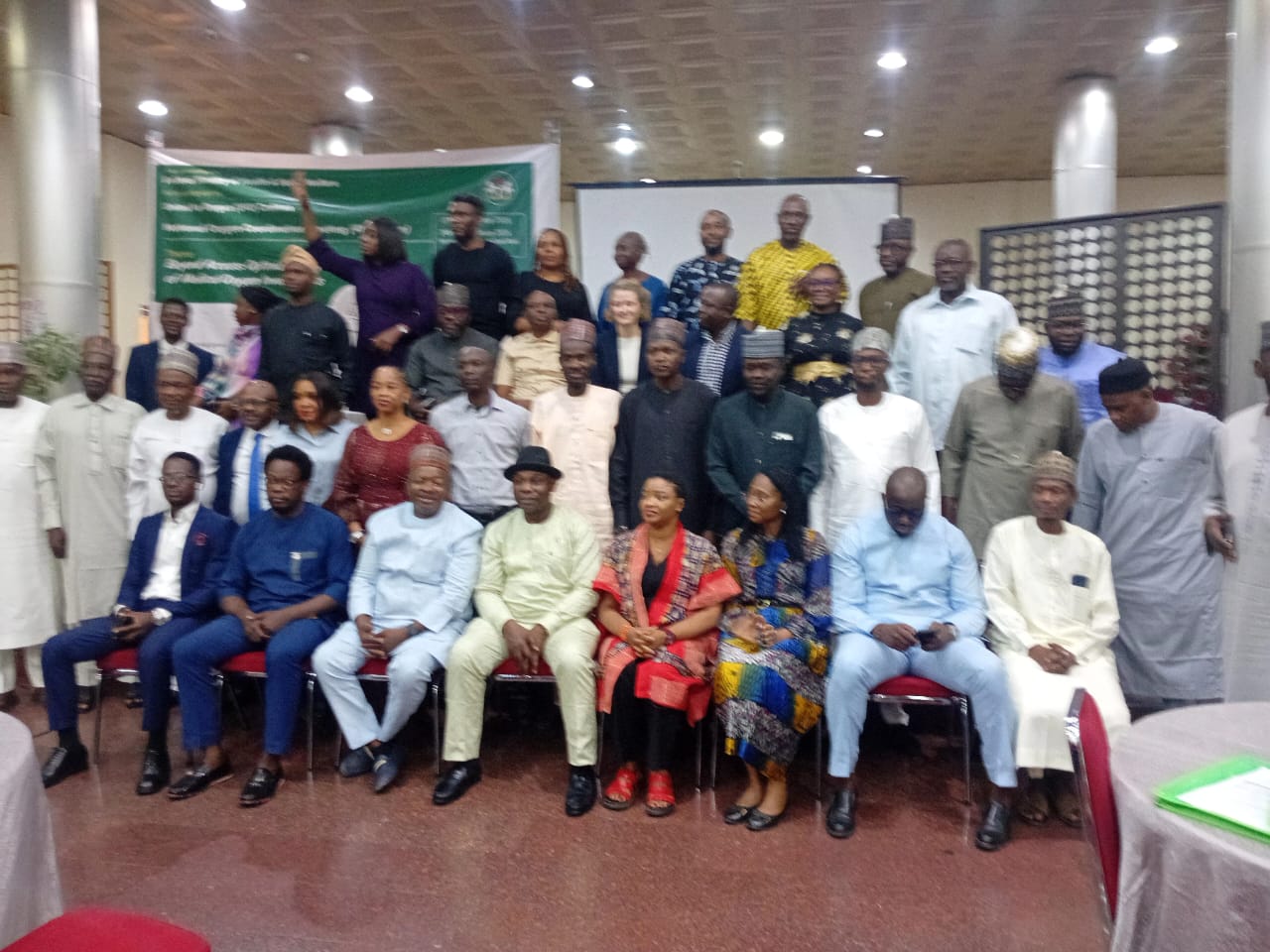
“This is not our first engagement, but it is the first time we are bringing in Commissioners at this level because their voices are crucial to ensuring that our plans move beyond documents and deliver tangible results,” she said.
The renewed focus on sustainability comes amid ongoing efforts by the Federal Government to strengthen health systems and reduce maternal and child mortality through improved access to life-saving medical oxygen.
The Secretary of the National Oxygen Desk at the Federal Ministry of Health (FMoH), said the programme is designed to benefit all Nigerians, particularly those at the grassroots, with women and children standing to gain significantly.
Kelechi Ibidun Nwanosike of the Clinton Health Access Initiative (CHAI) Nigeria explained that oxygen sustainability means ensuring a steady and reliable supply of medical oxygen at every level of healthcare delivery.
“It involves making oxygen available equitably—from tertiary and secondary facilities down to primary healthcare centres,” she said.
She noted that, historically, only state desk officers, who serve as focal persons for oxygen programmes, were engaged in coordination meetings. In subsequent years, directors were also included. However, it became clear that higher-level decisions were required at the state level to drive meaningful progress.
“We realised that the people who needed to be in the room were the Commissioners for Health,” she said.
“We also brought in Directors of Medical Services from State Ministries of Health, Executive Secretaries of the Hospital Management Boards, and, of course, the desk officers.”
According to her, having top-level decision-makers present strengthens coordination and ensures that critical policy and funding decisions are addressed promptly.
“When you have this calibre of leadership in the room, we are better positioned to align priorities, strengthen existing structures, and ensure there is the political will required to make the medical oxygen programme successful across the country,” she added.
She emphasised that bringing key stakeholders together helps them understand the broader vision and ensures that efforts are well coordinated to deliver the needed results nationwide.
In the same vain, the World Health Organization (WHO) Representative in Nigeria, Technical Officer for Newborn, Child and Adolescent Health and Integrated Service Delivery, Dr. Joy Ufre-Isikiring, emphasised the life-course importance of oxygen in healthcare delivery.
She called attention to the consequences of inadequate oxygen supply in health facilities, noting that the impact cuts across all age groups, from pregnant women and newborns to children, adolescents, and the elderly.
“What does it cost a newborn when there is no oxygen? What does it cost a pregnant woman? A child? An adolescent? Even the elderly?” she asked.
“When we look at oxygen from a life-course perspective, it becomes clear that investing in oxygen is critical.”
Dr. Ufre-Isikirig stressed that investment must go beyond procurement to ensuring sustainability, quality, and timely availability.
“It is not just about having oxygen. It must be available when needed, in the right quantity and quality, to save lives,” she said.
She noted that WHO has been actively involved in supporting Nigeria’s oxygen scale-up efforts, including guideline development, strategic planning, and stakeholder coordination.
“As WHO, we set standards and support countries to meet those standards. We have contributed to training materials to ensure healthcare workers are well equipped to use oxygen appropriately in health facilities,” she added.
She further stated that WHO remains committed to supporting federal, state, and local governments to ensure oxygen reaches the last mile, where most primary healthcare facilities are located.
“We believe that every newborn, every pregnant woman, every elderly person, every individual must receive oxygen when it is needed. WHO is here to support that goal.”
In a separate interview with the Director of the Hospital Services Department at the Federal Ministry of Health and Social Welfare (FMoHSW), Dr Adegoke Abisola, who was represented by the Director of Teaching Hospitals, Dr. Okpikpi Okpako, said the Federal Government is shifting its focus toward building systems that are owned and effectively managed at the subnational level.
She noted that this shift is being closely supported by innovative financing mechanisms to ensure sustainability.
“We are here to discuss robust planning that will make medical oxygen a permanent line item—not an afterthought—within our healthcare system,” he said.
She further emphasised the importance of political consensus in strengthening oxygen delivery nationwide.
“We are building a resilient and integrated system that requires a shared commitment between technical experts and policymakers—a consensus that oxygen is a fundamental right within our healthcare infrastructure.”
She commended development partners, frontline implementers, and government stakeholders for their continued support.
“The progress we have seen since the first National Meeting is a testament to your dedication,” he said.
She encouraged participants to use the opportunity to build stronger relationships beyond formal presentations.
“Take time to connect with the person sitting across from you. Often, optimisation begins with simple conversations sharing lessons from the field, finding common ground, or sparking new partnerships.”
Speaking, Permanent Secretary of the Federal Ministry of Health and Social Welfare, Daju Kachollom, represented by the Director of Hospital Services, Dr. Okpikipi Okpako, said the ministry has deliberately broadened stakeholder engagement this year.
“This year, we have intentionally expanded our circle. I am particularly pleased to see the Commissioners and Executive Secretaries in attendance. Your presence signifies a vital shift and renewed commitment to our national strategy. Medical oxygen is no longer being treated as a niche technical project for engineers and clinicians alone. It has officially graduated to a top-tier policy priority.
“By sitting at this table, you are acknowledging that oxygen security is central to maternal health, emergency response, and pandemic preparedness. It is a critical component that defines the quality of care and upholds the principles of Universal Health Coverage.”