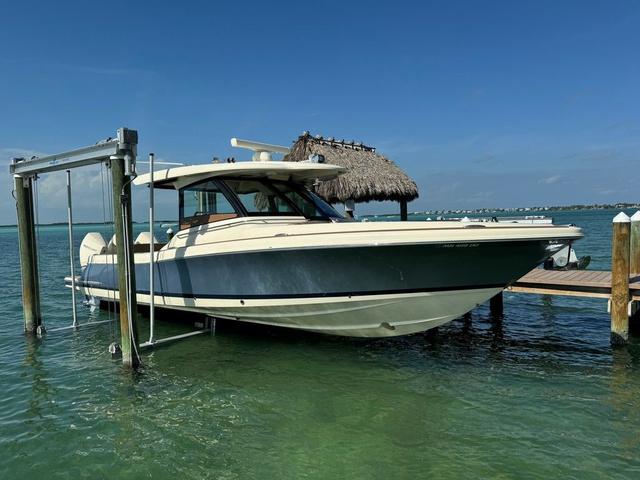
Federal government said plans are ongoing to begin the manufacturing of boats in a bid to phase out rickety vessels and curb incidence of boat mishaps.
Executive Secretary of Nigeria Shippers Council, NSC, Mr Pius Akutah said this in an interview with the News Agency of Nigeria, NAN, in Abuja.
Akutah said the Ministry of Marine and Blue Economy and the Nigerian Inland Waterways Authority, NIWA, are working tirelessly to minimise the rate of accidents on inland waterways.
According to him, the minister is looking at a new way of making boats so that we can phase out these rickety wooden boats that are very easy to capsise.
“You see the kind of boats that are being put to use on our waters are not even boats that should be on water.
“We have not properly professionalised boat making in Nigeria and that is why today, we are still using wooden boats.
“Other countries even smaller neighbouring countries have gone ahead to start fabricating boats and professionalising the act.
“But all of these are in the master plan that the minister inaugurated recently. There are plans to fabricate proper boats with the right specifications,” he said.
Akutah said the Minister, Mr Adegboyega Oyetola, is leveraging the knowledge, experience and expertise of its staff to brainstorm on ideas to transform the marine sector and enhance safety.
He said with the inauguration of the marine and blue economy policy, measurable development would be recorded within the next one year, especially in terms of boat accidents control.
Akutah lauded government for the distribution of life jackets across states to save lives and urged boat users to ensure usage for their own safety.
He also called for the establishment of coastal guards to support boat users with proper water navigations, especially at night.
Akutah said asides shipping safety, the council is working as a critical agency to promote and ensure safe and clear vehicle transit parks on hinterlands.
He noted that vehicle transits parks is part of the council’s mandate and it is promoting the development of critical infrastructure in the hinterlands for vehicles.
He said the development of transit paths was not only to create critical transport infrastructure, but also avoid accidents and create an environment for the security of cargoes.
He added that the vehicle transit parks would allow drivers to stop and rest in a secured environment with other economic activities happening. (NAN)