From Yahaya Umar, Kano
Prevailing wind of agitations for state creation resurfaced as stakeholders from the North West zone renewed calls for the creation of new states, with a view to attaining development, equity and security among other expectations.
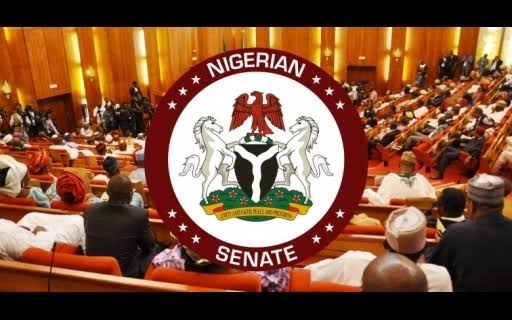
The demands were part of submissions at a 2-day North West zonal public hearing of the Senate Committee on the Review of the 1999 Constitution (as amended), which ended in Kano, yesterday.
Demands for the creation of two additional states Kainji and Gobir featured prominently during the North West, Centre B public hearing on the constitutional review in Sokoto.
The proposed Kainji State would be carved from parts of Kebbi and Niger, while Gobir State is being proposed from the eastern part of Sokoto State.
Presenting the case for Kainji State, National President of the Zuru Emirate Development Society, AVM Sallau Bala ,Retd, described the initiative as a long-standing aspiration among the proposed inhabitants.
“The agitation dates back to the colonial era when administrative boundaries were drawn arbitrarily by the colonial powers, resulting in the fragmentation of the Borgu, Kontagora, and Zuru Emirates into various administrative units”, Bala explained.
He said the three Emirates had since expressed a strong desire to reunite under a single state, citing shared history, cultural ties, and geographical proximity.
“The proposed Kainji State boasts common historical experiences, geographical contiguity, cultural affinity, economic viability, and strong potential for sustainable peace and development”, he added.
Bala, stated that the proposed state would have a population of approximately 3.4 million larger than that of over 10 existing states in the country and a land mass of 47,395 square km, which would place it among the top five largest states in Nigeria.
In spite of religious and ethnic diversity, Bala emphasised that the people of the proposed Kainji state enjoy a strong sense of unity and common identity, backed by a collective agreement to work together for progress.
“We have unanimously resolved to form a single entity in the hope of fast-tracking development and significantly improving the quality of life for our people”, he said.
Also speaking, the Secretary of the Gobir Development Association, Prof. Mu’azu Shamaki, presented the case for the creation of Gobir State.
According to Shamaki, Gobir state would consist of eight local government areas from the eastern part of Sokoto state and it is home to abundant human and mineral resources.
He stated that the proposed state’s population stands at approximately 3.5 million out of Sokoto state’s total of about 6 million.
Shamaki, highlighted key assets in the area, including the Goronyo, Lugu, and other major dams, as well as the Bunsuru River, which he said, could support extensive irrigation and other economic activities.
He emphasised that the defunct Gobir Kingdom had a rich historical heritage that predated the Shehu Uthman Danfodiyo Jihad and possessed the potential for substantial revenue generation and development.
“The area has suffered years of neglect, with many communities lacking electricity and facing growing insecurity.
“Creating Gobir State will bring governance closer to the people, improve infrastructure, and create a safer, more prosperous environment”, Shamaki added state creation would not only enhance local development but also offer more opportunities and a stronger sense of inclusion for the people.
Similarly, proposals were made for the creation of Bayajidda and Karaduwa States from Katsina State; Kainji from parts of Kebbi and Niger; Tiga and Ghari from Kano State; Gurara and New Kaduna from Kaduna State; and Hadeja from Jigawa.
Chairman of the Kainji State Movement, Ahmed Musa Ibeto, told the committee that the proposed state would consist of Zuru Emirate in Kebbi, and Kontagora and Borgu Emirates in Niger.
He said the emirates had long-standing administrative and historical ties dating back to the colonial era of 1902.
“When created, Kainji State will have an estimated population of 2.2 million people and cover a landmass of 36,800 square kilometres, ranking it among the 10 largest states in the country”, Ibeto said.
He added that the creation of the state would address security concerns and promote justice, equity, and fairness for the people of the region.
Also speaking, a representative of the Gurara State agitation group, Mr Mark Jacob, said their submission complied with the provisions of Section 8 of the Constitution, with all the necessary signatures from the relevant stakeholders.
He described the push as a “unanimous demand” from both the Northern and Southern zones of Kaduna State, including endorsement from the Governor and members of the State House of Assembly.
According to Jacob, Gurara has significant human and natural resources, including ginger, columbite, and other solid minerals, which could reduce the region’s reliance on federal allocations if developed.
He added that the proposed state would foster peace, economic growth, and closer governance for the people.
Similarly, proponents of Karaduwa State said the proposed entity would comprise 11 local government areas, with potential for further expansion.
They argued that the new state would harness its landmass for agricultural development while enhancing political inclusion and improving living standards.
They stated that state creation would bring governance closer to the grassroots and promote security and economic development.
The hearing was chaired by the Deputy President of the Senate, Sen. Barau Jibrin, and a prominent leader in the constitution review committee.