
*Report: Africa accounts for 93.5 per cent of global cholera-related deaths
*Children remain most vulnerable group
By Mariyah Adamu, Abuja
Cholera and Mpox cases surge across multiple countries pose dual emergencies, the Africa Centres for Disease Control and Prevention, Africa CDC, has said.
Besides, the Africa CDC said the development has prompted urgent calls for coordinated action and increased investment in health infrastructure.
Director-General of the Africa CDC, Dr. Jean Kaseya, who stated this yesterday, during the Weekly webinar media briefing also noted that the continent accounts for 60% of all global cholera cases and a staggering 93.5% of global cholera-related deaths reported as of May.
Kaseya, said that the agency’s latest situation report warned that children remain the most vulnerable group, representing nearly half of all cases and over one-third of deaths.
According to him, “At the same time, mpox is rapidly spreading, with Sierra Leone, the Democratic Republic of Congo, DRC, Uganda and Burundi collectively responsible for 94 per cent of confirmed cases reported during epidemiological week 21.
“Sierra Leone alone contributed 53% of the continent’s new confirmed mpox cases in that period”, he added that the numbers are deeply concerning.
“We are not only seeing more widespread transmission, but also significant gaps in surveillance, vaccination coverage, basic water and sanitation services, which are exacerbating both cholera and mpox outbreaks”, he said.
The director-general said that the report highlighted Angola, South Sudan, the DRC and Sudan as the four hardest-hit countries, accounting for 85% of Africa’s total cholera cases and 92% of its deaths.
“In these countries, access to safe water and sanitation remains alarmingly low, with open defecation rates reaching up to 73% in some rural areas.
“Children are bearing the brunt, with up to 47% of all reported cases and 37% of cholera deaths occurring among those under 15 years”, he said.
Kaseya, the called for the formation of Presidential Task Forces in affected countries to oversee multi-sectoral responses.
He said that there should also be emergency water and sanitation interventions, robust surveillance systems, and sustained funding for vaccine procurement.
He said that mpox, once considered a localised zoonotic disease, is now spreading to previously unaffected regions, including Ethiopia, Malawi, and Togo.
“Ethiopia recently reported its first confirmed death from the virus, an infant, as of May 31.
“In the DRC, low testing coverage, just 27%, continues to obscure the true scale of the outbreak”, he said.
He said that Sierra Leone reported over 3,100 confirmed mpox cases this year, with a positivity rate of 93% in some districts, suggesting the outbreak is being vastly under-reported.
Despite ongoing vaccine distribution efforts, Africa remains short of critical supplies.
While over 726,000 doses of the mpox vaccines have been administered so far, he said that the continent required 43 million doses of oral cholera vaccine annually, far above the 26 million doses received in 2024.
He said that efforts were underway to close this gap.
“Manufacturing facilities are being developed in South Africa, Ghana, and Zambia, but they will not be fully operational until 2027.
“These emergencies will not wait for us to catch up. We need decisive political commitment, financial investment and a united continental response to protect the health of our people”, he said.
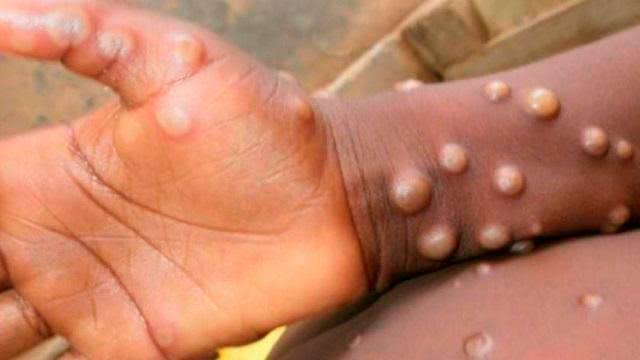
Mpox is a viral disease caused by the mpox virus, which spreads from animals to humans and between people through close contact.
It causes fever, rash and body aches, and while usually mild, it can be severe in vulnerable groups.
Cholera is a highly contagious bacterial disease caused by Vibrio cholerae.
It spreads through contaminated food or water and causes severe diarrhoea and dehydration, which can lead to death if untreated.
It thrives in areas with poor sanitation and limited access to clean water, making it a major threat during outbreaks and emergencies.