China has strongly criticised fresh tariffs imposed by the United States on Chinese goods and products from 59 other countries over allegations linked to forced labour, warning that escalating trade restrictions serve no country’s interests.
The new measures, announced on Friday, impose import duties ranging from 10 to 12.5 per cent, with China facing the highest tariff rate among the affected economies.
Reacting to the decision, Chinese Foreign Ministry spokesperson Lin Jian said Beijing firmly opposes unilateral trade measures and cautioned Washington against reigniting a trade conflict.
“We oppose all forms of unilateral tariff measures,” Lin told reporters during a regular press briefing on Friday.
“Tariff wars and trade wars are not in the interests of any party,” he added.
The latest tariffs replace a temporary global duty introduced earlier this year by US President Donald Trump, which was due to expire.
The Trump administration has moved quickly to restore key elements of its tariff policy after the US Supreme Court struck down several of the president’s earlier tariff measures in February, limiting his authority to impose sweeping import duties without additional legal backing.
Announcing the new tariffs, United States Trade Representative Jamieson Greer said the administration was stepping up enforcement of the country’s ban on imports linked to forced labour and urged other nations to adopt similar restrictions.
“We are rigorously enforcing a forced labour import ban, and it is well past time for our trading partners to do the same,” Greer said.
Countries and economic blocs that already enforce prohibitions on goods produced through forced labour—including Canada, the European Union and the United Kingdom—were subjected to the lower 10 per cent tariff rate.
Meanwhile, several major US trading partners, including India and Japan, were placed under the higher 12.5 per cent tariff category alongside China.
The latest development threatens to strain relations between Beijing and Washington after both countries had taken steps to ease trade tensions.
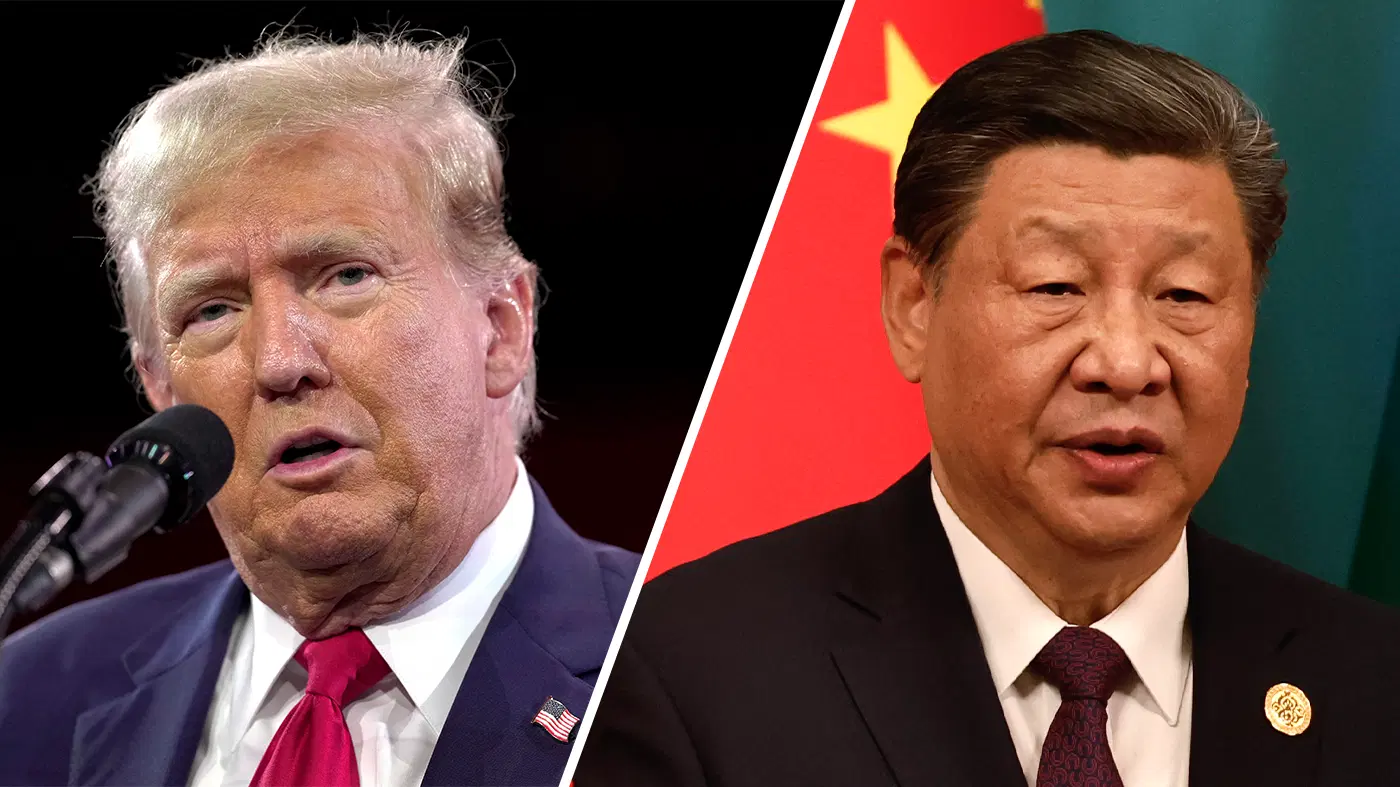
China and the United States spent much of last year locked in an escalating trade dispute before reaching a temporary truce following a meeting between President Donald Trump and Chinese President Xi Jinping in October.
Following Trump’s visit to Beijing earlier this year, Chinese officials had expressed optimism about working with Washington to gradually reduce tariffs and improve trade relations.
However, Friday’s announcement has raised concerns that the world’s two largest economies could once again move toward a renewed period of trade confrontation.