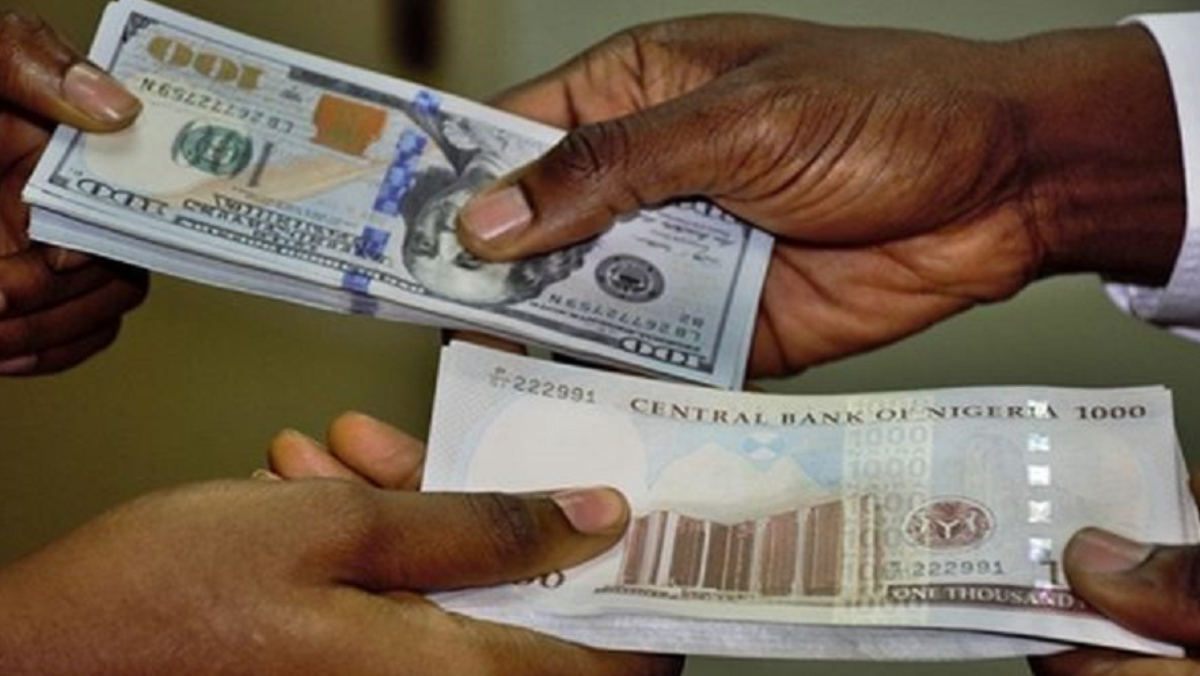
The Nigerian naira traded within a narrow range against the United States dollar on Friday, July 17, 2026, with both the official Nigerian Foreign Exchange Market (NFEM) and the parallel market recording only slight movements as market conditions remained relatively stable.
Data from the Central Bank of Nigeria (CBN) showed that the official exchange rate hovered around ₦1,380 to the dollar, while the latest published NFEM closing rate stood at ₦1,382.18/$1 as of July 15.
The apex bank determines the official NFEM exchange rate using the volume-weighted average of all eligible foreign exchange transactions conducted in the official market.
Meanwhile, activity in the parallel market, commonly referred to as the black market, indicated that the US dollar exchanged hands within the following range:
- Buying: ₦1,410–₦1,417 per dollar
- Selling: ₦1,417–₦1,425 per dollar
The exact rates continued to vary across different cities and currency dealers, depending largely on prevailing demand and the availability of foreign exchange.
Although the unofficial market still trades above the official window, the difference between both rates has reduced considerably compared to previous years following the Federal Government’s foreign exchange reforms and the liberalisation of the market.
Analysts noted that the relative stability recorded in recent weeks reflects improved confidence in the official market, supported by increased dollar liquidity and policy interventions aimed at reducing distortions in the foreign exchange system.
They, however, cautioned that exchange rate movements would continue to depend on several economic factors, including crude oil earnings, foreign portfolio investments, external reserves and overall dollar supply.
Market watchers are also awaiting the outcome of the upcoming Monetary Policy Committee (MPC) meeting of the Central Bank of Nigeria, scheduled for next week.
The committee is expected to assess current economic conditions, including inflation trends, exchange rate stability and global economic developments before making fresh decisions on monetary policy.
The CBN has consistently maintained that its policy decisions will remain data-driven as it seeks to sustain macroeconomic stability, support investor confidence and strengthen the foreign exchange market amid evolving domestic and international economic conditions.