
Joel Ajayi
The unveiling of the book “According to the President” by presidential spokesman Garba Shehu has reignited national discourse on former President Muhammadu Buhari’s reform-driven leadership and the ongoing consolidation efforts of President Bola Ahmed Tinubu.
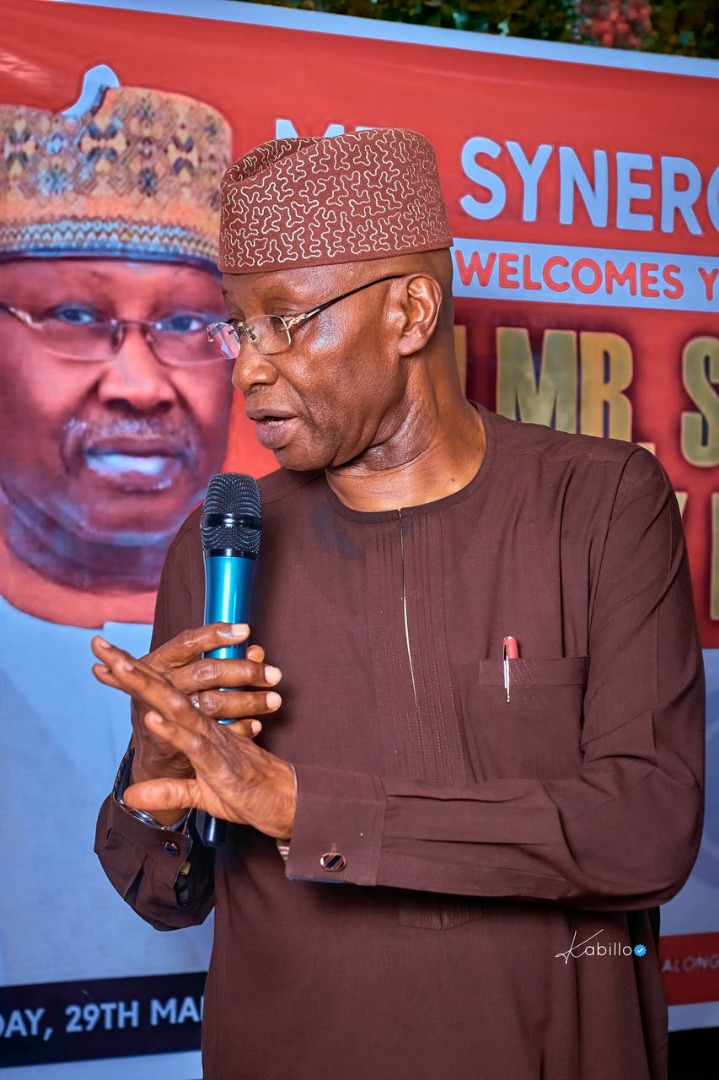
At the public presentation in Abuja, former Secretary to the Government of the Federation, Boss Mustapha, commended Buhari’s tenure for laying a robust structural foundation upon which the current administration is building.
Buhari’s era was marked by significant policy reforms aimed at resetting Nigeria’s development trajectory.
One of the most celebrated achievements was the enactment of the Petroleum Industry Act, a transformative legislation that restructured the oil and gas sector for greater efficiency and transparency.
His administration also embarked on an aggressive infrastructure rollout — constructing roads, bridges, and rail lines across the country — and expanded social protection through programmes like the National Social Investment Programme (NSIP), designed to uplift millions of Nigerians living in poverty.
President Tinubu, who succeeded Buhari in 2023, has taken up the reform baton with vigor.
His government has prioritized the consolidation of previous gains, introducing strategic policies to deepen institutional reforms and promote long-term development. Key among these is the deregulation of the electricity sector, aimed at boosting power generation and expanding energy access nationwide.
Additionally, Tinubu’s administration is overhauling civil service operations through performance management systems to improve service delivery, while also introducing tax reforms to broaden the revenue base and curtail tax evasion. These efforts reflect a commitment to systemic change rather than short-term populist measures.
Describing the transition between the two leaders, Boss Mustapha aptly noted, “The baton of leadership has passed, but the relay of reform continues.” This highlights the importance of continuity in governance, where institutional development takes precedence over political personality.
The synergy between Buhari’s reform legacy and Tinubu’s consolidation agenda points to a promising new era of governance — one grounded in strategic planning, policy consistency, and national interest. As Nigeria faces complex socio-economic challenges, the country stands to benefit from this deliberate effort to sustain reforms and build on previous milestones.
The book “According to the President” not only chronicles Buhari’s eight-year tenure but also serves as a critical resource for understanding the underpinnings of governance decisions and the enduring impact of leadership choices.
Together, both administrations are shaping a legacy that may well define a new chapter in Nigeria’s democratic evolution.