By Paul Effiong, Abuja
Speaker of the House of Representatives, Tajudeen Abbas, yesterday, directed a comprehensive modernisation of Nigeria’s occupational safety laws, warning that millions of workers across key sectors are facing preventable hazards that undermine productivity.
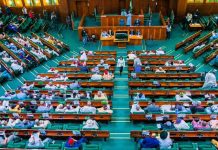
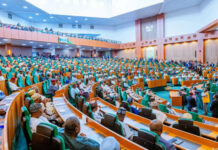
Abbas made the call while declaring open, a public hearing on the Occupational Health and Safety Bill, 2025, at the National Assembly Complex in Abuja.
He lamented that inadequate regulations, weak enforcement and obsolete frameworks had allowed unsafe practices to persist in factories, construction sites, farms, hospitals, as well as in oil and gas installations.
According to him, the resulting injuries, illnesses and fatalities are avoidable tragedies that require immediate legislative intervention.
The speaker also stressed that hazards such as collapsed structures, toxic exposure and malfunctioning machinery remain unacceptably common.
He explain that the proposed bill is aimed at overhauling the outdated Factories Act, close the regulatory gap and establish a unified national safety architecture capable of addressing modern industrial realities.
The speaker said particular attention is being given to workers in underserved sectors, including informal workers, healthcare personnel and transport operators who often operate without adequate legal protection.
Abbas added that strengthening workplace safety would yield wider national benefits, including higher productivity, reduced medical expenses, improved investors confidence and enhanced competitiveness in the global market.
He urged stakeholders participating in the hearing to provide practical insights that would refine the draft legislation and ensure its effective implementation across all sectors.
In his welcome address, Chairman of the House Committee on Safety Standards and Regulations, David Zacharias described the bill as a historic milestone for Nigeria, stressing that it represents a decisive break from decades of outdated and ineffective safety laws.
He also highlighted the bill’s comprehensive scope, which introduces clearer employer obligations, stronger enforcement mechanisms, improved penalties and mandatory reporting systems.
At the hearing, the Federal Fire Service called on lawmakers to clarify provisions related to fire protection to avoid conflict with existing laws.
Represented by the Chief Superintendent of Fire, Sarki Abdul-Rahman, the service also called for alignment between the new bill, the Fire Service Act, National Building and the Fire Codes, stressing that all fire safety approvals and enforcement actions must remain within its statutory mandate.