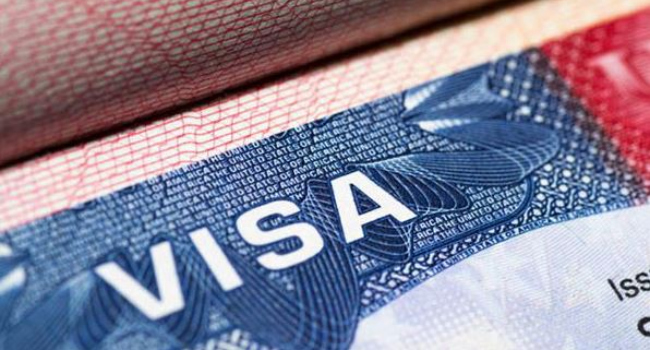
The United States government is preparing to significantly reduce the number of embassies and consulates across Africa authorized to process visa applications, according to an internal State Department memorandum and officials familiar with the development.
Under the proposed restructuring, the number of U.S. diplomatic missions offering full visa processing services across Africa will be reduced from nearly 50 locations to just 20 regional hubs. Although Washington has not officially announced a commencement date, the changes are expected to begin taking effect later this month.
The policy forms part of the broader immigration and consular reforms being implemented by the administration of Donald Trump. The initiative is aimed at tightening immigration controls, reducing the issuance of immigrant and non-immigrant visas, addressing visa overstays, and streamlining diplomatic operations amid reductions in staffing levels at U.S. missions worldwide.
Sources familiar with the matter disclosed that American diplomats and consular officials were briefed on the upcoming changes during a conference call held last Friday. During the meeting, officials were informed that visa services throughout Africa would undergo a major consolidation process.
The restructuring was reportedly approved through a directive signed by Marco Rubio. Under the new framework, only selected diplomatic missions designated as regional hubs will continue to provide comprehensive visa services.
The move comes at a time when visa processing across Africa has already experienced several challenges. These include travel restrictions affecting certain countries, additional financial bond requirements for some applicants, and operational limitations linked to recent public health concerns, including Ebola-related measures.
Once implemented, applicants residing in countries without a designated visa-processing hub will be required to travel to another African nation to submit applications, complete biometric requirements, and attend visa interviews.
Analysts believe the policy could create additional financial and logistical burdens for applicants, particularly those from countries without direct access to one of the approved visa-processing centres. Increased travel expenses, accommodation costs, and extended waiting periods may become common challenges for prospective travelers.
Despite the changes, U.S. embassies and consulates in countries that are not designated as regional hubs will remain operational. However, their consular functions will be significantly limited.
These missions will continue providing services such as assistance to American citizens, passport renewals, emergency consular support, diplomatic and official visas, and selected cases considered important to U.S. national interests.
When asked about the reported changes, the U.S. State Department did not directly confirm the contents of the memo. However, it stated that it routinely reviews overseas operations to ensure resources are deployed efficiently and in line with national priorities.
According to the department, the review process is intended to maintain high standards for visa screening and security vetting while ensuring that operational resources are aligned with America’s strategic interests.
According to the memo, the 20 African locations that will continue offering full visa processing services are located in Abidjan (Ivory Coast), Accra (Ghana), Addis Ababa (Ethiopia), Cape Town and Johannesburg (South Africa), Dakar (Senegal), Dar es Salaam (Tanzania), Djibouti, Kampala (Uganda), Kigali (Rwanda), Kinshasa (Democratic Republic of Congo), Lagos (Nigeria), Lomé (Togo), Luanda (Angola), Malabo (Equatorial Guinea), Monrovia (Liberia), Nairobi (Kenya), Port Louis (Mauritius), Praia (Cape Verde) and Yaoundé (Cameroon).
The development is expected to have far-reaching implications for visa applicants across Africa, particularly in countries that will lose access to local visa processing services.