As Nigeria pushes to join and lead Africa’s electric vehicle revolution, stakeholders say the country’s success will depend on turning bold policies into local manufacturing, innovation and jobs driven by indigenous expertise and strategic partnerships, LOIS SAMBO write.
Nigeria’s ambition to become a major player in Africa’s electric vehicle revolution received a fresh boost in Abuja on Thursday, May 28, as government officials, industry stakeholders, researchers and investors gathered for the inaugural congress of the Electric Vehicle Assemblers and Manufacturers Association of Nigeria, EVAMAN.
Held at the Transcorp Hilton Hotel under the theme, “From Policy to Industry: Harnessing a Local-Content-Driven EV Revolution in Nigeria,” the event reflected growing optimism that the country can transform from a consumer of imported technologies into a producer of electric mobility solutions tailored to African realities.
At the centre of the discussions was a clear message from the Federal Government: Nigeria’s transition to electric mobility must be driven by local content, indigenous innovation and strategic industrial partnerships.
Representing the Minister of Innovation, Science and Technology, Dr Kingsley Tochukwu Udeh, SAN, the National Coordinator of the Strategy Implementation Task Office for Presidential Executive Order No. 5, Mr Ibiam Oguejiofor, said government was committed to building a sustainable and locally anchored EV ecosystem capable of creating jobs, transferring technology and strengthening national industrial capacity.
According to him, the electric mobility transition would not happen by chance but through “purposeful leadership, coordinated national planning, industrial financing, technological innovation and sustained public-private cooperation.”
The minister’s message underscored the importance of Presidential Executive Order No. 5, which prioritises Nigerian expertise, local materials and indigenous companies in science, engineering and technology-related projects.
Under President Bola Ahmed Tinubu’s Renewed Hope Agenda and Nigeria First Policy, the Federal Ministry of Innovation, Science and Technology, FMIST, is intensifying efforts to ensure industrial growth translates into measurable economic benefits for Nigerians.
“Our objective is clear and unwavering: Nigerian talent, Nigerian resources, Nigerian technology and Nigerian enterprises must occupy a central place in the country’s industrial future,” Oguejiofor stated.
The government’s strategy goes beyond transportation. It forms part of a broader national push to deepen local content across sectors such as advanced manufacturing, renewable energy, artificial intelligence, digital infrastructure and industrial innovation.
Stakeholders at the congress agreed that Nigeria’s vast mineral resources, youthful population and expanding technology ecosystem provide a strong foundation for building a competitive EV industry.
Industry experts believe that if properly harnessed, the sector could significantly reduce Nigeria’s dependence on imported fuel systems while creating thousands of jobs in mining, battery processing, vehicle assembly, software development, logistics, maintenance and recycling.
To support this transition, several government agencies are expected to play strategic roles.
Among them is the National Automotive Design and Development Council, NADDC, which is driving automotive industrial policy and supporting local vehicle assembly operations. The Raw Materials Research and Development Council, RMRDC, is promoting the development of strategic minerals such as lithium, graphite and manganese required for battery production.
Similarly, the National Office for Technology Acquisition and Promotion, NOTAP, is facilitating technology transfer and intellectual property protection, while the National Environmental Standards and Regulations Enforcement Agency, NESREA, is focusing on battery recycling and environmental safeguards.
Other agencies including NASRDA, PRODA, FIIRO, NABDA and NIGCOMSAT are also expected to contribute research, innovation and infrastructure support necessary for a resilient EV value chain.
Beyond policy declarations, the congress highlighted signs that Nigeria’s EV market is already gaining momentum.
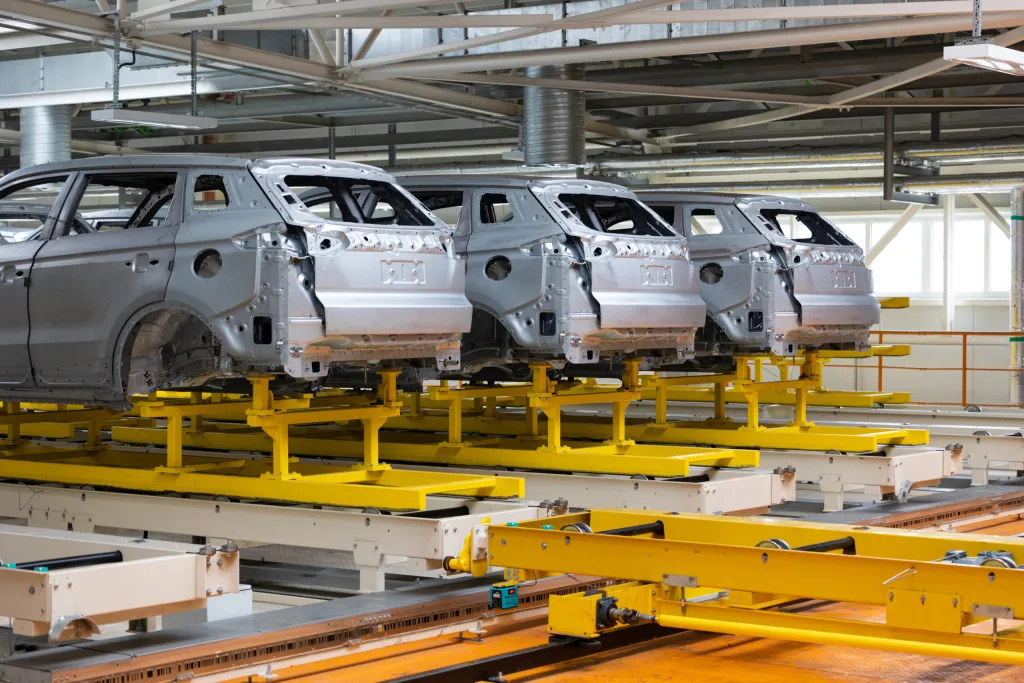
Across the country, local manufacturers and innovators are assembling electric buses, tricycles and passenger vehicles adapted to Nigeria’s road and energy realities. Private investors are also deploying charging infrastructure, renewable energy systems and fleet conversion technologies.
The Federal Ministry of Innovation, Science and Technology recently launched the ECoN initiative to support private-sector innovation and local manufacturing, further reinforcing government’s industrial agenda.
For many participants, however, the success of the industry will depend on how quickly policy implementation translates into tangible investment opportunities and infrastructure development.
A major highlight of the congress was the inauguration of EVAMAN’s newly elected executive council, signalling the association’s transition into a more structured and institutionalised industry body.
Prince Mustapha Mona Audu emerged President, while Al Amin Ibrahim Al Amin was inaugurated as Vice-President and Prof. Chinedu Ochinanwata as Secretary-General.
Other members of the executive council include Ademola Ogunbanjo as Assistant Secretary-General; Mr Adeyemi Olukayode Kalejaiye as Treasurer; Maxx EV as Assistant Treasurer; Barrister Celyena Okiyi as Legal Adviser; Dr Ikenna Ayu as Head of Public Affairs; Engr. Chinese Ekeh as Head of Research and Innovation; and Hon.
Dr Edward Ihejirika as Head of Government Liaison and Policy.
In his acceptance speech, Prince Audu described the occasion as a major milestone for the association and for Nigeria’s emerging electric mobility ecosystem.
He noted that within two years, EVAMAN had secured registration with the Corporate Affairs Commission and expanded its membership to include assemblers, charging infrastructure providers, renewable energy specialists, researchers and investors.
According to him, Nigeria possesses the market size, manpower and technological potential required to become a continental leader in electric mobility.
Also speaking at the event, the Director-General of the Presidential Enabling Business Environment Council, PEBEC, Princess Zahrah Audu, said electric mobility presents enormous opportunities for industrialisation, environmental sustainability and job creation.
She assured investors that government reforms aimed at improving the ease of doing business would continue in order to attract investments into emerging industries.
Industry stakeholders, however, identified financing and infrastructure gaps as key obstacles slowing the sector’s expansion.
Ms Gift Agboro, Operations and Strategy Consultant at Leke Services, observed that limited access to affordable financing, weak industry data, inadequate charging infrastructure and lack of standards remain significant challenges.
She called for stronger stakeholder coordination, lower lending rates and improved transparency within the industry.
Similarly, OANDO Clean Energy, represented by its Senior Vice President for Technology and Innovation, Mr Adeyemi Adebajo, said renewable energy would remain central to the success of electric transportation in Nigeria.
According to him, investments in electric buses and solar-powered mobility solutions are already helping to build public confidence in cleaner transportation systems.
As global economies increasingly shift toward low-carbon technologies, many analysts believe Nigeria faces a defining opportunity.
The challenge, they argue, is not simply adopting electric vehicles but developing a complete local value chain capable of supporting manufacturing, innovation and exports under the African Continental Free Trade Area, AfCFTA.
For EVAMAN and its partners, the journey has only just begun. Yet the conversations in Abuja reflected a growing consensus that with sustained collaboration between government, industry and investors, Nigeria could emerge as one of Africa’s leading hubs for electric mobility and sustainable transportation technologies.