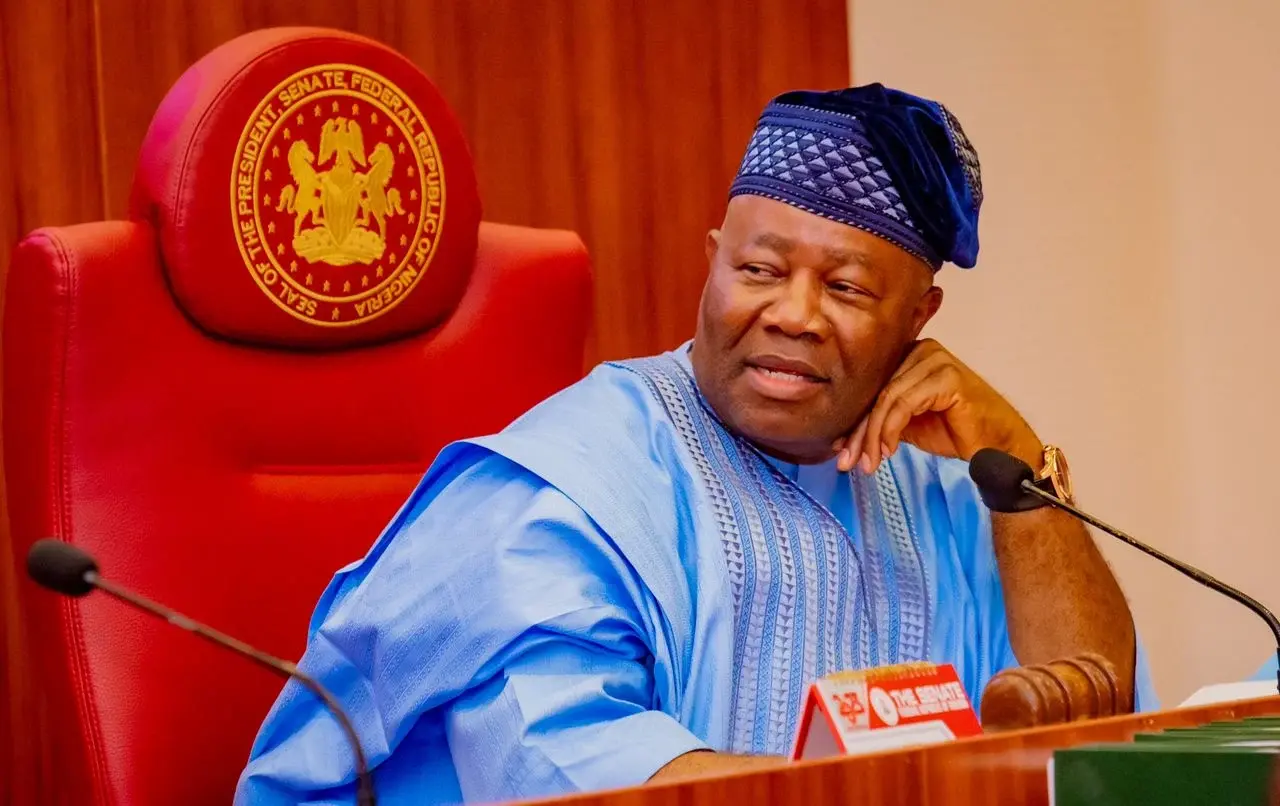
We are at the verge of another political landmark with the decision by the Nigerian Senate approving the creation of 12 new states, marking a fresh inroad in the nation’s political and administrative landscape. It is noted that the move, following the third and final reading of the Senate Committee on State Creation’s report, aims to address long-standing demands for equitable representation and improved local governance across the six geo-political zones.
The agitations for creation of states are not new and have been existing since the first enactment of the then military regime led by former military Head of State that saw the creation of the 12 states structure from the initial four regional governments of four.
Analysts have pointed out even if states were created at the doorsteps of families; the agitations are not likely to end because of the human factor of insatiability amid tendency of our political class to manipulate systems for self-aggrandisement.
Given reports in the media, the approved states include:
• South West: Ijebu (from Ogun State) and Ibadan (from Oyo State)
• South East: Anim (from parts of Anambra and Imo States) and Adada (from Enugu State)
• South South: Toru-Ibe (from sections of Ondo, Edo, and Delta States) and Obolo (from Akwa Ibom State)
• North East: Savanna (from Borno State) and Amana (from Adamawa State)
• North West: Tiga (from Kano State) and Gurara (from Southern Kaduna)
• North Central: Okura (from Kogi State) and Apa (from Benue State).
Although this expansion of states underscores the Senate’s commitment to fostering national unity, inclusiveness, and sustainable development it may not lay to rest the perennial agitations for new states.
Between 1960 and 1966, Nigeria still operated the regional arrangement. However, between 1967 and 1996, the country had to be split into thirty-six States. The first state creation exercise was undertaken by the regime of Yakubu Gowon in 1967. Another state creation exercise took place in 1976 following the ouster of Yakubu Gowon in a military coup led by Murtala Mohammed. On assumption of office, he (Murtala Mohammed) created the following States: Anambra, Bauchi, Benue, Imo, Niger, Ogun and Ondo, bringing the total number of States to nineteen. It took another eleven years (1987) for State creation exercise to be undertaken in the country. That was under the regime of Ibrahim Babangida (1985 – 1993). In 1987, Babangida created two States namely, Akwa Ibom and Katsina. He also created nine additional States in 1991. Altogether, there were thirty (30) States by 1991. Sani Abacha became Nigeria’s next military Head of State in 1993 and on October 1, 1996, he created six additional States namely, Ebonyi (from Abia and Enugu States), Bayelsa (from Rivers State), Nasarawa (from Plateau State), Gombe (from Bauchi), and Ekiti (from Ondo).
Some Nigerians opine that the new states being proposed represents a significant response to widespread agitations for increased state representation and grassroots empowerment, promising to bring governance closer to the people and potentially accelerate development in previously underserved areas. It reported that the official gazette detailing the administrative frameworks for these new states is anticipated to be released soon.
Concerns followed the reports that the President Bola Ahmed Tinubu is disposed to the idea of new states and would not hesitate to give it a final nod simply for reasons of political expediency especially that it could feather his nest for re-election in 2027.
However, worries exist over the viability of existing states and yet new ones are being contemplated.
We stress that this may not end agitations over imbalance and supposed marginalisation across the country even after this exercise sails through.
Can new states being peddled think out of the box to create wealth for the common good?
There is a need to review these unending agitations.