

By Dr. Yusha’u ibn Sheikh
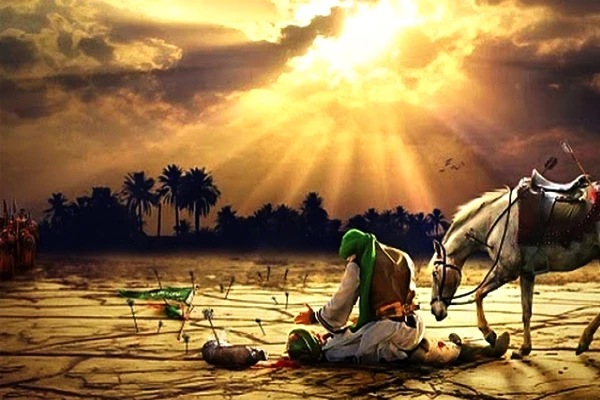
At the core of Islamic history lies an event that forever inspires nations and faiths worldwide. This is the uprising of Imam Hussein, the noble son of Ali ibn Abi Talib and Fatimah, and grandson of the Prophet Muhammad, on the 10th of Muharram, 680 CE (61 AH), in the plains of Karbala. This moment stands not only as a pivotal chapter in Islamic history but as a radiant beacon for the human conscience.
Imam Hussein, alongside a small group of devoted companions and family, stood resolute against a vast army. Their stand was not driven by conquest or worldly ambition but by an unwavering refusal to submit to oppression, injustice, or humiliation. Guided by profound faith and insight, they chose a dignified death over a life of disgrace. In Karbala, virtues such as freedom, dignity, sacrifice, and loyalty to truth gained eternal significance, transforming Ashura into a global symbol of resistance against tyranny.
Ashura is not merely a religious event for a specific community. It is rather a special message that is human and universal. The message transcends sectarian and ethnic boundaries. Sunni Muslims and Eastern Christians alike honor Imam Hussein for his exemplary character and unparalleled sacrifice. In authoritative Sunni sources, such as the History of al-Tabari and Sahih al-Bukhari, his esteemed status and the Prophet’s emphasis on love for his family are clearly documented. These shared values make Ashura a bridge for unity not only among the Muslim but also for the sake of justice, fairness, freedom, dignity and humanity among the entire people of the world.
The message of Ashura has inspired great figures throughout the human history. For instance, Mahatma Gandhi, the architect of India’s independence movement, openly declared that “I learned from Imam Hussein how to achieve victory while being oppressed, and how to triumph even in sacrifice.” Nelson Mandela, the global icon of the anti-apartheid struggle, also stated: “My life’s inspiration comes from Husayn ibn Ali, who, though alone and without allies, never bowed to tyranny.” Nowadays, wherever people strive for justice, freedom, and human dignity, the echoes of Ashura’s lessons resonate, irrespective of time, period or geographical location. From India’s anti-colonial movements to South Africa’s fight against apartheid, and among freedom-loving nations worldwide, this torch remains alight.
In the contemporary world, the resistance of oppressed peoples vividly reflects the teachings of Ashura. The Sunni Muslim community in Gaza has endured over a year of relentless bombing by the Israeli army, resulting in the martyrdom of more than fifty thousand innocent women and children, met with the troubling silence of international organizations. The unyielding resistance of the people of Yemen and Lebanon, and the steadfastness of Islamic Iran, echo the timeless battle of truth against falsehood seen in Karbala. Recently, Israel’s surprise aerial assault on Iran, backed by the United States and Europe, claimed innocent lives. Yet, Iran’s resolute and strategic response forced the aggressors to retreat and seek a ceasefire—a victory rooted in the faith and spirit of Ashura.
In the school of Ashura, martyrdom is not an end but the beginning of an eternal, honored life in the Divine presence. This belief dispels the fear of death, elevating martyrdom to the pinnacle of dignity. Therefore, those who follow this path not only embrace sacrifice but eagerly compete to attain this exalted station.
Ashura has gifted the world a culture of hope, awareness, and sacrifice—a culture that continues to inspire justice-seeking nations. The phrase “Every day is Ashura, and every land is Karbala” teaches humanity to stand courageously against oppression and choose the path of dignity and freedom.