By Mariyah Adamu, Abuja
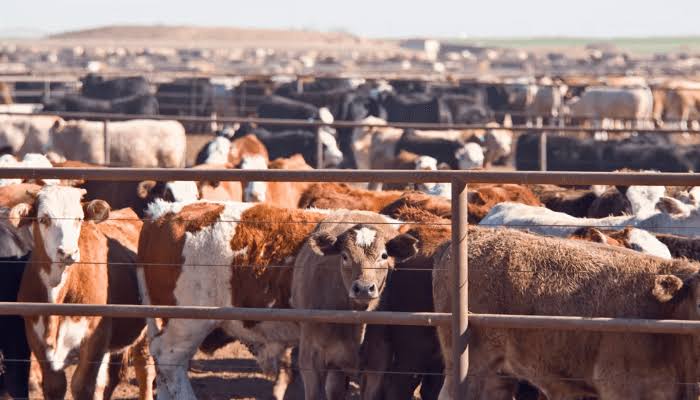
Federal Government’s ambitious plan to significantly grow Nigeria’s livestock industry, targeting a contribution to the Gross Domestic Product, GDP, of $74 billion by 2035, from the current $32 billion may be elusive as the Ministry of Livestock Development battles with inadequate fund.
AljazirahNigeria recalls that the newly established ministry’s budget for take off is ₦11.8bn which many including members of the National Assembly Joint Committee on Livestock Development have expressed concerns over its inadequacy.
In this vein, it was gathered from sources that the Minister of Livestock Development, Idi Maiha’s, momentum of achieving the ministry’s mandate needs to matched with adequate budget.
The Ministry, which was carved out of the Ministry of Agriculture and Food Security still faces significant challenges, including a lack of office accommodations, facilities, and essential operational equipment.
It would be recalled that six months after Maiha presented the Ministry’s challenges during budget presentation at the National Assembly, it is still being temporarily accommodated by the Office of the Secretary to the Government of the Federation.
AljazirahNigeria checks revealed that despite the Chairman, Senate Committee on Livestock Development Senator Musa Mustapha’s assurance of support to the Ministry with a view to achieving its mandate, the Ministry still faces inadequacies that threatens $74bn livestock sector target.
Chairman, House Committee on Livestock Development, Honourable Wale Raji, had earlier questioned the level of support from the Presidential Implementation Committee for the ministry’s establishment, calling for a more robust budget to meet the expectations of Nigerians.
However, despite the budget constraints, Maiha assured that the allocated funds would serve as a foundational roadmap for the ministry’s establishment.
The ministry’s core mandate are: to address climate change impacts, create economic opportunities in the livestock sector, and engage youth and women in sustainable activities.
Meanwhile, insufficient funding is significantly hindering the effectiveness and operations of the livestock ministry as lack of financial support impacts various crucial areas, including the ministry’s ability to provide essential services, implement development plans, conduct research, and address critical issues like disease outbreaks and infrastructure development.
Other bottlenecks include: impeded ministry operations, inadequate office space and equipment, limited workforce and resources.
Among other things insufficient funding restricts the ministry’s ability to hire and retain qualified personnel and procure necessary resources for effective functioning as hindered Implementation of development plans.