… Allocates N516m each for 40 state’s assembly members
…N4.5bn for 40 units of 50kVA generators
…N212m for 20 office tables, chairs
From Jibrin Ndanusa, Lagos
Lagos State Government’s proposed ₦4.237 trillion 2026 budget is filled with inconsistencies, opaque accounting practices and spending priorities that raise serious questions about fiscal discipline and public accountability, an investigation by AljazirahNigeria has revealed.
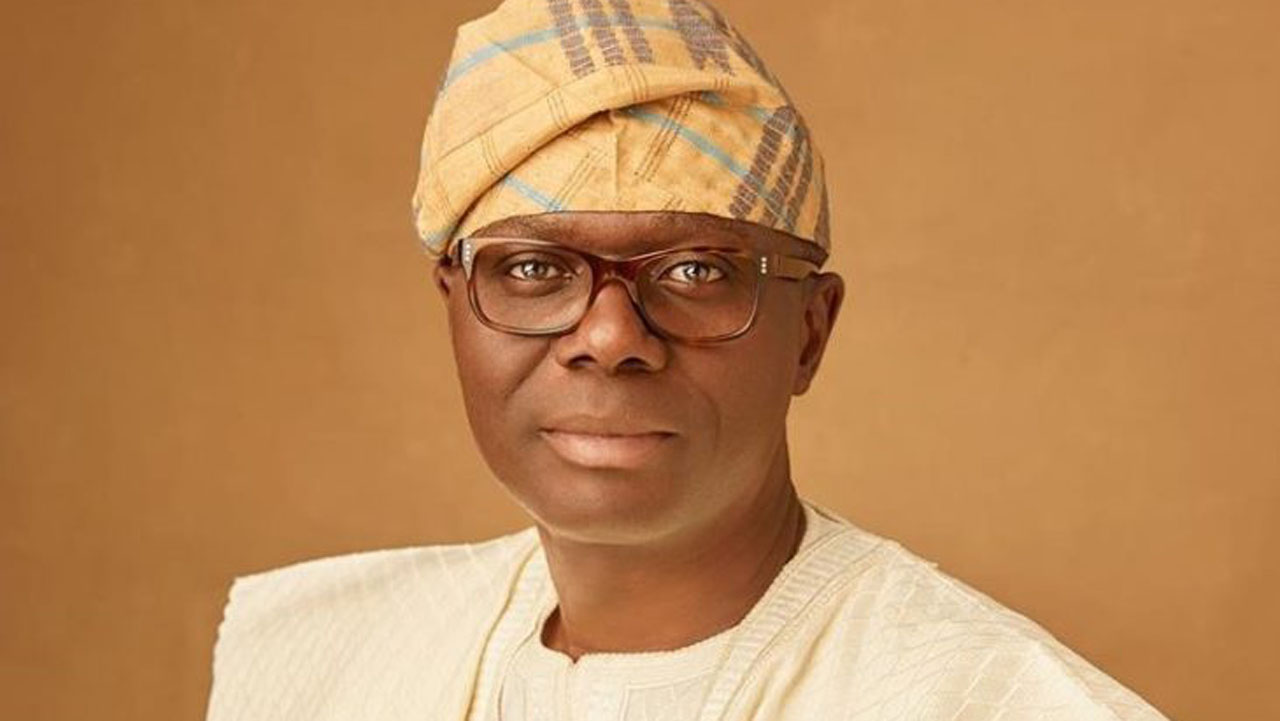
The budget, presented to the Lagos State House of Assembly by Governor Babajide Sanwo-Olu, has been publicly defended as ambitious and growth-oriented.
However, documents reviewed by this newspaper, suggest that key figures may be misstated, while significant expenditures appear detached from prevailing economic realities.
One of the most striking issues identified concerns the classification of expenditure. The proposed recurrent spending of ₦2.052 trillion reportedly includes debt repayments amounting to ₦383 billion—an item ordinarily treated as capital expenditure.
“If this classification is corrected, the recurrent budget would be overstated by nearly ₦400 billion. This, in turn, casts doubt on the accuracy of the capital expenditure figure and the overall budget size”, a public affairs commentator, Shuna Fakum posited.
Further scrutiny reveals discrepancies in the sectoral allocation breakdown. While the total proposed budget stands at ₦4.237 trillion, the sum of allocations across listed sectors amounts to approximately ₦3.4 trillion—leaving a gap of more than ₦800 billion unaccounted for.
Beyond the arithmetic, AljazirahNigeria found persistent concerns about transparency. Lagos State has repeatedly failed to publish detailed budget proposals prior to legislative passage, effectively limiting independent analysis and public input.
This lack of openness, critics argue, has enabled questionable appropriations to pass unchallenged year after year. Transparency advocates point out that without full disclosure of line-by-line spending proposals, citizens and civil society groups are denied the opportunity to interrogate government priorities before they are enacted into law.
These concerns are reinforced by independent assessments. Lagos State ranked last among Nigeria’s 36 states in BudgIT’s fiscal transparency index for the first two quarters of 2025—an outcome observers describe as alarming for a state that prides itself as the country’s economic nerve centre.
Perhaps the most contentious findings relate to spending patterns uncovered in the 2026 budget, cited as indicative of a broader trend.
Budget documents reviewed by this newspaper show an allocation of over ₦20.6 billion for vehicles for the 40 members of the Lagos State House of Assembly. This translates to approximately ₦516 million per legislator for vehicles alone.
Critics describe the figure as excessive, particularly against the backdrop of widespread economic hardship and rising living costs. “How can any government that ha the interest of the masses at heart , propose over N515 million P45 legislator in just one accounting year?
Also highlighted is an allocation exceeding ₦4.5 billion for the purchase of 40 units of 50KVA generators—equivalent to about ₦113 million per generator. Market checks by this newspaper indicate that similar generators retail for roughly ₦16 million, raising questions about procurement processes and value for money.
Equally controversial is a ₦212 million allocation for just 20 office tables and chairs, an amount described by budget analysts as “grossly disproportionate” to market prices.
While recurrent and administrative spending continues to expand, investment in core social services appears comparatively muted. Between 2021 and 2025, combined spending on education, health, housing development and water supply accounted for only about 17 per cent of total government expenditure.
Experts interviewed by AljazirahNigeria argue that this falls short of what is required for a state with Lagos’s youthful and rapidly growing population. Education and health, in particular, are widely expected to command significantly higher shares of public spending.
“In a young population with the demographic characteristics of Lagos, education and health should receive closer to 15 per cent each,” one analyst stated.
Of particular concern is the revelation that capital expenditure for the Lagos State House of Assembly in 2025 reportedly exceeded allocations to both the education and health sectors combined. Observers link such priorities to persistent challenges, including poor performance in public school examinations and fragile health outcomes across the state.
The investigation also raises doubts about the realism of the revenue assumptions underpinning the 2026 budget. As of September 2025, actual revenues stood at ₦2.07 trillion, against a full-year projection of ₦3.37 trillion.
Despite this shortfall, the 2026 budget follows what critics describe as a familiar pattern of optimistic projections, even as economic pressures intensify.
Although some improvements were acknowledged—such as the removal of a large “special duties expenses” line item and a more cautious approach to foreign currency borrowing—analysts insist these steps fall short of the structural reforms required.
The central demand emerging from the controversy is for transparency. Doherty and other stakeholders are urging the House of Assembly to insist on the publication of full budget details before approval, making openness a mandatory part of the legislative process.
For many observers, the stakes extend beyond bookkeeping. At a time of increased revenues following currency devaluation and fuel subsidy removal, how Lagos spends its resources is increasingly viewed as a test of governance, priorities and accountability.
As lawmakers begin deliberations on the 2026 budget, AljazirahNigeria Newspapers will continue to track developments, scrutinise allocations and hold public officials to account on behalf of Lagos residents.