The United States and Iran have agreed to a peace deal aimed at bringing an end to more than three months of conflict across the Middle East, with both sides committing to an immediate and permanent cessation of military operations, according to announcements from mediators and leaders involved in the negotiations.
Pakistani Prime Minister Shehbaz Sharif, whose government played a key role in mediating the talks, announced on Sunday that a breakthrough had been achieved and that an official signing ceremony is scheduled to take place on June 19 in Switzerland.
Sharif said the agreement commits both nations to an “immediate and permanent” end to military operations across all fronts, including Lebanon, where tensions involving Iran-backed Hezbollah and Israel have threatened regional stability.
“Following intensive talks, we are pleased to announce that the Peace Deal between the United States of America and the Islamic Republic of Iran has been reached,” Sharif said in a statement. He added that both sides had agreed to permanently halt military operations while preparations begin for the formal signing of the agreement.
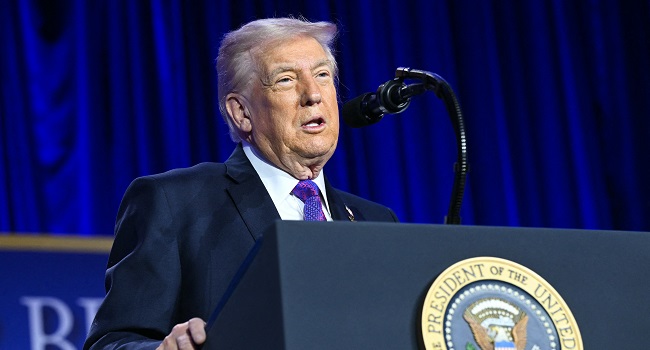
Shortly after Sharif’s announcement, United States President Donald Trump confirmed that an agreement had been finalized.
“The Deal with the Islamic Republic of Iran is now complete,” Trump wrote on his Truth Social platform, adding that he had authorized the reopening of the strategic Strait of Hormuz and the removal of the United States naval blockade.
The Strait of Hormuz, one of the world’s most important maritime trade routes, is a critical passage for global oil and natural gas shipments. Its reopening is expected to ease pressure on global energy markets and reduce concerns over supply disruptions. Analysts say the development has already contributed to a decline in oil prices and improved market sentiment.
Despite the optimistic announcements, Iran had earlier appeared cautious about confirming a final agreement. Iranian officials initially indicated that negotiations were still ongoing and declined to provide a firm timeline for concluding talks. However, subsequent reports suggested that Tehran had accepted a framework agreement that will be formally signed later this week.
The conflict, which began in late February following US-Israeli strikes on Iran, escalated into a wider regional confrontation involving attacks on military and strategic targets, disruptions to maritime trade and heightened tensions in Lebanon. Iran responded with attacks on Israel and US-aligned interests while restricting movement through the Strait of Hormuz, prompting further military and economic measures by Washington.
Although the agreement is being welcomed as a major diplomatic breakthrough, questions remain over several unresolved issues, including Iran’s nuclear programme and long-term security arrangements in the region. Reports indicate that some of these matters will be addressed during a separate period of follow-up negotiations expected to continue after the signing ceremony.
Regional powers, including Qatar, Saudi Arabia and Turkey, were credited for supporting the mediation effort. International observers have described the deal as one of the most significant diplomatic developments in the Middle East in recent years.