

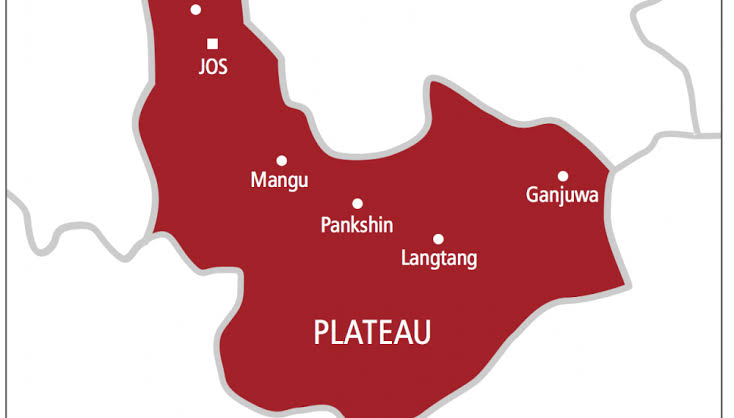
The Plateau State Government has intensified emergency health measures following a surge in cholera infections in Mangu Local Government Area, where suspected cases have climbed to 53 and five deaths have been reported across three communities.
Speaking during a press briefing in Jos on Monday, the Commissioner for Health, Dr. Nicholas Ba’amlong, described the outbreak as a significant public health concern but expressed confidence that it can be contained through coordinated intervention and community participation.
According to him, the outbreak, which initially involved only eight suspected cases, has now spread to Pushit, Mangu 1, and Mangu 2 wards, prompting heightened surveillance and response efforts.
“As of June 12, 2026, a total of 53 suspected cases have been recorded. Ten cases tested reactive through Rapid Diagnostic Tests, while four have been laboratory-confirmed through culture. Regrettably, five deaths have also been recorded,” Ba’amlong stated.
He disclosed that the fatalities involved four women and one man, resulting in a case fatality rate of 9.43 percent.
The commissioner noted that the steady rise in infections and the expansion of the outbreak to additional communities highlighted the urgency of strengthening response measures.
“The current trend shows continued transmission within affected communities and a growing outbreak that requires immediate and sustained action. We sympathise with the families who have lost loved ones during this period,” he said.
To improve coordination and management of the outbreak, the state government has activated its Incident Management System (IMS), an emergency response framework designed to streamline all cholera control activities.
Dr. Maren Job has been appointed Incident Manager and will oversee surveillance, case management, laboratory services, risk communication, sanitation interventions, logistics, resource mobilisation and stakeholder coordination.
The government has also deployed additional Rapid Response Teams to affected areas, expanded treatment facilities and begun emergency procurement of medical supplies, including diagnostic kits, intravenous fluids and essential drugs.
“We are strengthening treatment capacity, increasing surveillance and ensuring that patients receive timely medical attention. Every available resource is being deployed to protect residents,” Ba’amlong assured.
Health officials revealed that active case searches and contact tracing activities have been intensified, while community-based surveillance systems are being expanded to improve early detection and reporting of new infections.
Authorities further announced that cholera treatment would continue to be provided free of charge or at subsidised rates to ensure that financial challenges do not prevent patients from seeking care.
In addition to clinical interventions, public awareness campaigns have been intensified to educate residents on preventive measures and encourage prompt medical attention for suspected cases.
Traditional rulers, religious leaders and community influencers have also been enlisted to support sensitisation efforts and help combat misinformation surrounding the outbreak.
The government is simultaneously promoting water, sanitation and hygiene measures, including household water treatment through boiling and chlorination, environmental sanitation exercises and community education on proper water storage practices.
Despite progress in the response, Ba’amlong acknowledged challenges such as shortages of rapid diagnostic kits, increasing demand for medical supplies and logistical difficulties in accessing some remote communities.
He, however, expressed optimism that support from the Nigeria Centre for Disease Control (NCDC), the World Health Organisation (WHO) and other development partners would help bridge existing gaps.
“We are mobilising additional resources and collaborating closely with our partners to ensure all identified challenges are addressed promptly,” he said.
The commissioner urged residents to remain vigilant by consuming only treated or boiled water, practising regular handwashing with soap and clean water, maintaining proper sanitation and immediately seeking medical help if symptoms such as severe diarrhoea or vomiting occur.
“The responsibility of stopping cholera rests with all of us. We urge residents to cooperate fully with health officials and adhere to preventive guidelines. Together, we can contain this outbreak,” Ba’amlong added.
The Plateau State Government assured residents that regular updates would continue to be provided as efforts to contain the disease and prevent further spread remain ongoing.