…Appeals for gender-responsive political reporting
By Paul Effiong
A coalition of civil society organisations has expressed deep concern over the delay by the House of Representatives in considering the Constitution Review Report, which it disclosed contains 44 critical amendments, including the much anticipated Reserved Seats for Women Bill.
The coalition, therefore warned that postponing action on the reforms risks compounding national uncertainty at a time when Nigeria is urgently needing stability, accountability, and stronger democratic institutions.
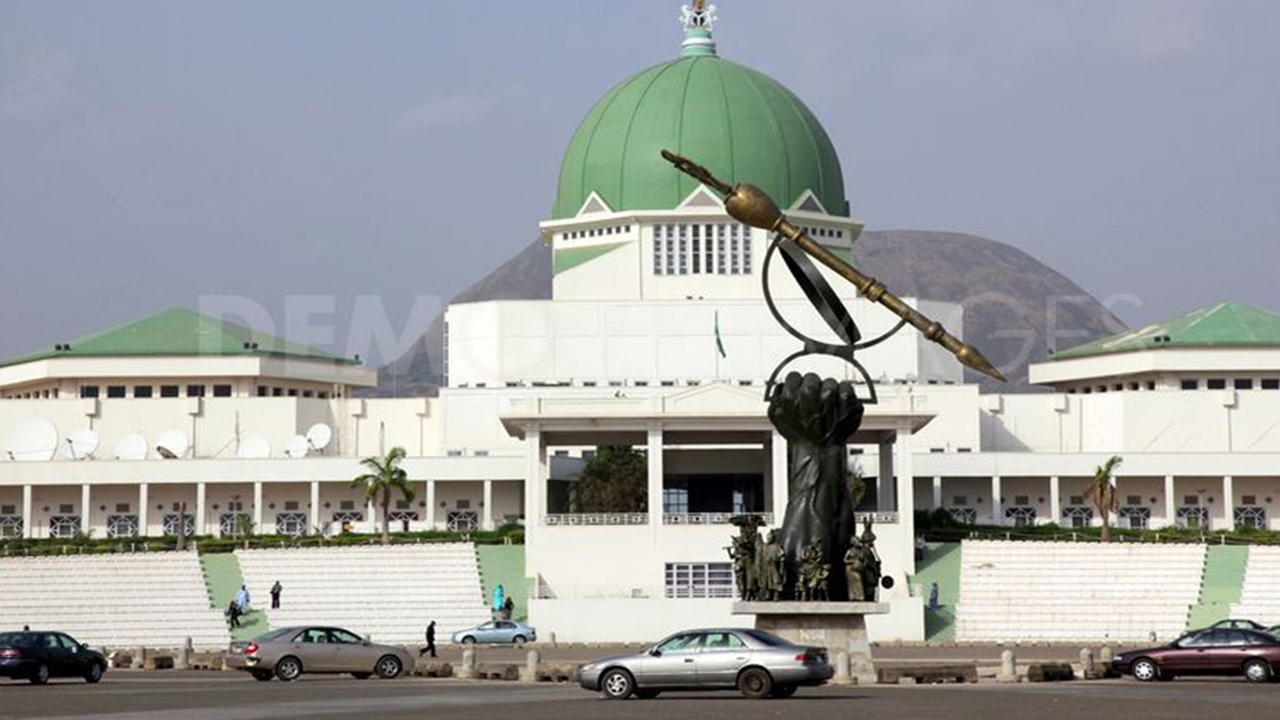
Speaking during a one day training workshop for journalists at the National Assembly, Abuja, the CSOs said the country could no longer afford hesitation on constitutional amendments that directly touch on security, governance, and electoral credibility.
The workshop with topic: “Strengthening Reportage on the Reserved Seats for Women”, was convened to equip media practitioners with knowledge and perspectives essential for balanced and gender-responsive coverage of the proposed law.
The coalition equally argued that pending amendments speak to everyday concerns of Nigerians begining from safer communities and effective local governments to credible elections as well a desire to strengthen judiciary.
It also cautioned that while legislative scrutiny is important, prolonged delays are dangerous.
As insecurity deepens, local governance structures weaken, and voter confidence declines, Nigeria is at risk of entering yet another electoral cycle plagued by the same systemic flaws. With INEC’s timetable already active and party primaries expected to conclude by July 2026, the coalition stressed that time is fast running out.
The group therefore called on the National Assembly to complete the Constitution Review before the end of 2025, insisting that decisive action would restore public trust ahead of the 2027 general elections.
“These reforms are urgent, overdue, and vital to national stability,”
Also speaking at the workshop was a gender advocate Adaora Sydney-Jack, seasoned broadcaster who emphasised the need for Nigerian journalists to adopt more gender-responsive political reporting, especially as the debate on reserved seats intensifies.
She reminded journalists that editorial choices could shape public perception of women’s capabilities, stressing that the press must avoid narratives that reinforce stereotypes or diminish women’s leadership potential.
Mrs Sydney-Jack equally referenced countries like Rwanda, Senegal, and Tanzania, where reserved seats is supported by intentional media framing maintaining that such has helped to shift public attitudes and normalise women’s political leadership in those countries.
She called on journalists to focus on competence and policy contributions rather than treating women in politics as beneficiaries of charity or affirmative action alone.
Reserved seats according to her are a corrective measure designed to address structural exclusion of women from politics for decades in Nigeria.
In his presentation, Chidozie Aja, Special Adviser (Legislative) to the Deputy Speaker revealed that Reserved Seats Bill aligns with the goal of amplifying women’s voices and securing their place at decision making tables.
He, however lamented that Nigeria’s extremely low women representation which he disclosed currently satnd at 17 women in the House of Representatives while only 3 are in the Senate.
It was gathered that Nigeria ranks 184th globally with only 4.7% female representation noting that such figures is below countries with smaller economies and less democratic experience.
Aja equally explained that the bill seeks constitutional amendments to create additional and exclusively reserved seats for women which is 37 in the Senate, 37 in the House of Representatives, and 108 across State Assemblies.
The reserved seat according to him, will not displace existing lawmakers but will expand representation for a period of four election cycles, though proposals to extend or remove the sunset clause are under discussion.
In her closing remarks, Chief Osasu Igbinedion Ogwuche underscored the importance of giving women genuine opportunities to participate in governance.
She, however called on lawmakers to embrace reforms that reflect Nigeria’s diversity and potential, adding that reserved seats are essential to building an inclusive and representative democracy.