By Paul Effiong, Abuja
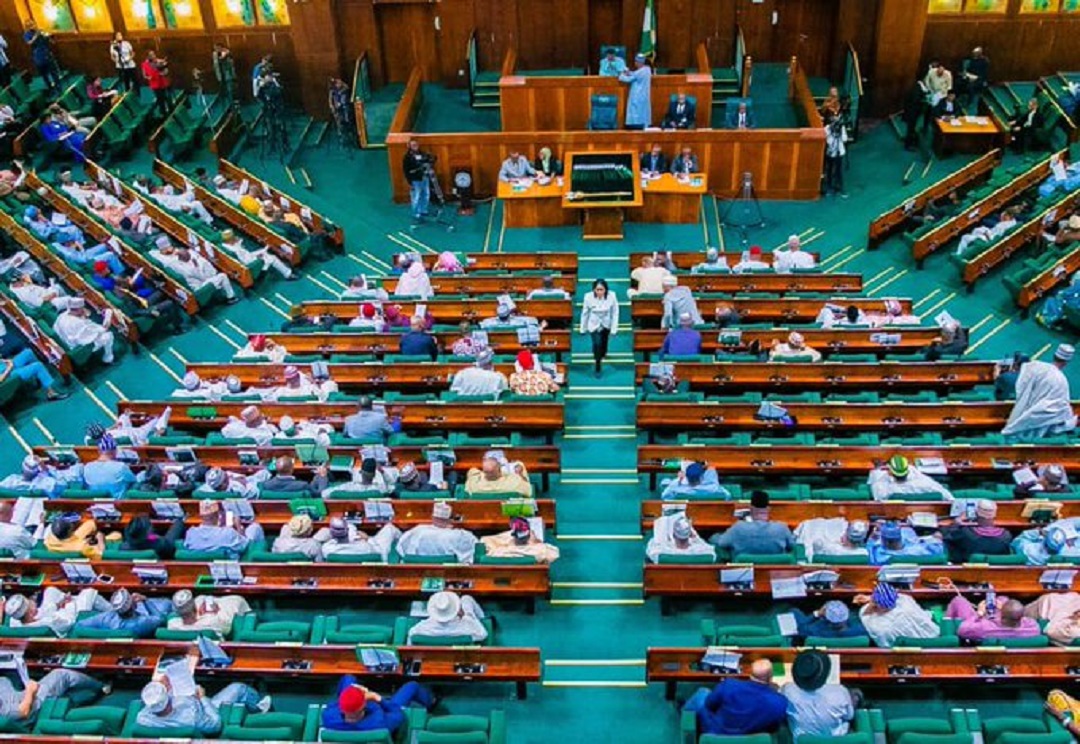
House of Representatives has commenced investigation into Nigeria’s escalating drug abuse crisis with the aim of exposing systemic failure, strengthen accountability and curb the menace.
Speaking at the opening of the investigative hearing at the National Assembly Complex in Abuja, yesterday, Chairman of the Ad-hoc Committee on Drugs, Trafficking, Alcohol and Tobacco, Oluwatimehin Adelegbe described substance abuse as a national emergency capable of eroding the nation if left unchecked.
The lawmaker explained that his committee was inaugurated to uncover the truth, identify institutional weaknesses and recommend strong corrective measures that would reverse the disturbing rise in drug abuse, trafficking and unregulated consumption of harmful substances in Nigeria.
According to him, illicit drug trafficking, unregulated pharmaceutical distribution, predatory alcohol marketing and aggressive tobacco promotion have converged into a dangerous crisis that is stealing the health of Nigerian youths, weakening the labour force, destabilising communities and undermining collective national progress.
He lamented that cannabis is now openly smoked on the streets like cigarettes, while the use of methamphetamine is spreading at an alarming rate with codeine-based cough syrups sold almost like soft drinks, particularly among young people.
He lamented that tramadol 200mg is trafficked with the same level of coordination as hard narcotics, while cheap and hazardous alcoholic mixtures are destroying the lives of young men and women in motor parks, campuses and marketplaces nationwide.
The chairman also accused tobacco companies of exploiting regulatory loopholes to target minors through flavoured products, informal retail channels and deceptive marketing practices, while substandard pharmaceuticals, fake spirits and unregistered products flood Nigerian markets due to weak enforcement at ports, airports and land borders.
Stressing that the probe was not a witch-hunt or anti-business move, Adelegbe said no business model would be allowed to thrive at the expense of lives, adding that lawmakers owe the public firm action, solutions and accountability rather than excuses.
Meanwhile, the United Nations Office on Drugs and Crime, UNODC, has described the scale of drug use in Nigeria as alarming, revealing that 14.4 percent of Nigerians aged 15 to 64 use drugs, with cannabis and pharmaceutical opioids such as tramadol and codeine being the most abused substances.
UNODC equally warned that drug use in Africa could rise by 40 percent by 2030, potentially pushing Nigeria’s drug-using population beyond 20 million, even as it recommended a humane, data-driven approach that balances law enforcement with prevention, treatment, harm reduction and alternatives to incarceration for first time offenders.
In its submission, the National Drug Law Enforcement Agency, NDLEA, pledged its full cooperation with the House committee, stressing the need for stronger legislation, improved regulation, enhanced treatment systems and increased operational resources to effectively combat drug trafficking and protect public health across Nigeria.