By Paul Effiong, Abuja
House of Representatives Committee on Renewable Energy has disclosed that Nigeria is currently facing over 50 percent shortfall in skilled labour required to drive its renewable energy ambition.
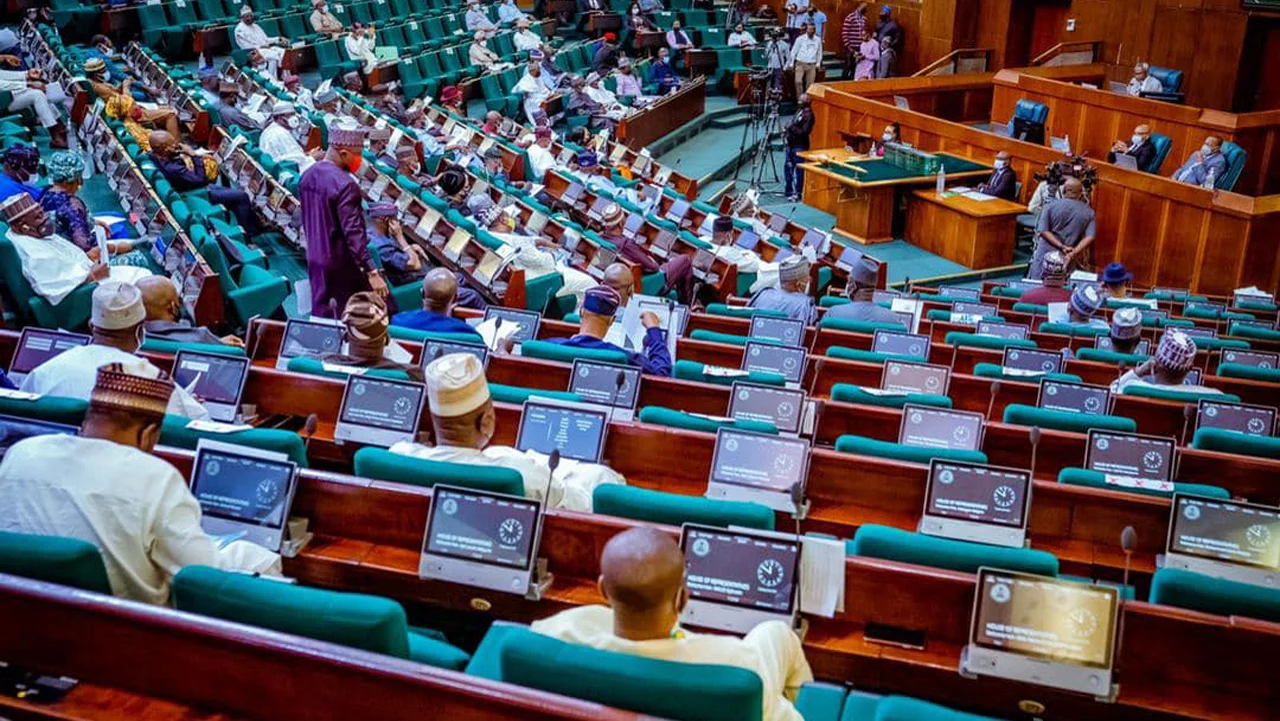
The House made the disclosure on Thursday during the Africa Policy Dialogue, APD, workshop on “Green Jobs and Low Carbon Transition” held at the National Assembly, Complex, Abuja.
In his opening address at the event, the Chairman of the committee, Afam Ogene noted that the shortage of qualified technicians, engineers and system operators had slowed down the sector’s growth and hindered job creation across the country.
The panel attributed the challenge to a combination of inadequate policies and skills gap, even as it emphasized that most renewable energy equipment used in Nigeria was imported, thereby denying the country more opportunities to develop local manufacturing capacity.
Highlighting global examples associated with renewable projects, the chairman pointed to China’s success in generating over seven million green jobs through deliberate government-backed programmes.
The panel called on academic institutions and policymakers to align education and legislation with the demands of energy transition and create opportunities for youths and women in the sector.
In his welcome address, Speaker Tajudeen Abbas, who was represented by Deputy Minority Whip, George Ozodinobi, described the dialogue as part of the 10th Assembly’s oversight role in addressing policy gap.
The speaker emphasised that green energy holds strategic importance for both environmental sustainability and economic growth, while urging for action to tackle youth unemployment and reduce dependence on fossil fuels.
In her address, Ms Victoria Manya of INCLUDE Knowledge Platform cautioned against low-carbon transition policies that fail to deliver social benefits to Nigerians, even as she also stressed the need for a “just transition” that prioritises workforce training and equitable job distribution.
She, therefore, argued that Nigeria has a unique opportunity to lead Africa in embedding labour justice into climate action for the overall benefit of the citizenry.