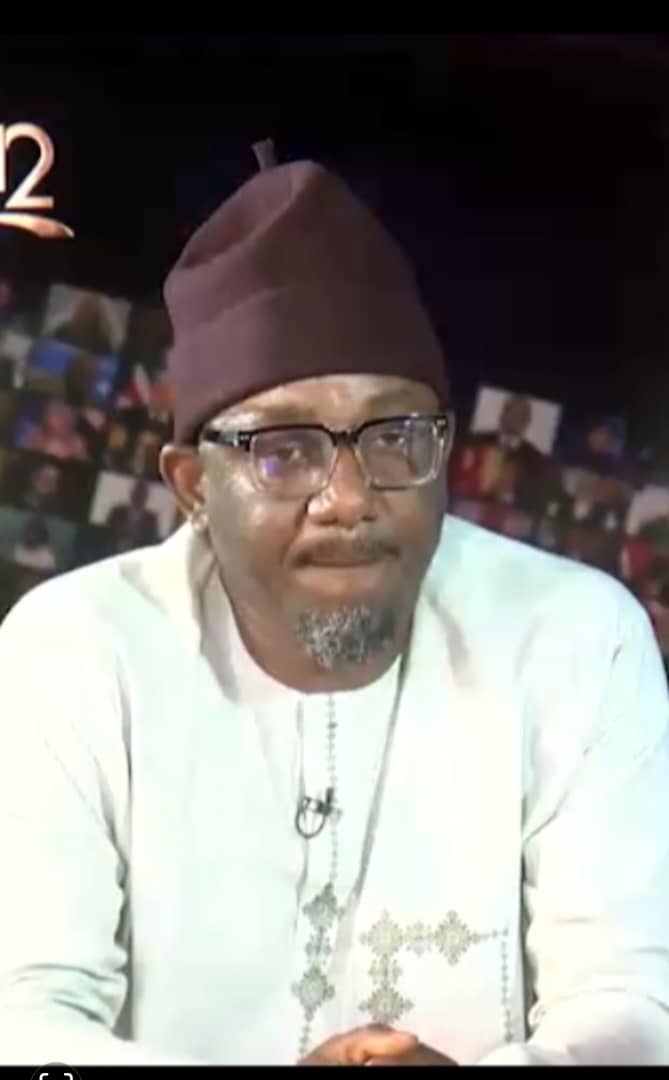
As Nigeria grapples with the social and economic aftershocks of sweeping reforms, support and criticism of President Bola Tinubu remain sharply divided. In this interview, National Coordinator of the Grassroots Mobilisation Initiative, GMI, Sama’ila Musa, explains why his organisation aligned with the Tinubu administration, how grassroots mobilisation is shaping political conversations ahead of 2027, and why he believes painful reforms are a necessary passage for long-term national stability.
Excerpts:
What informed GMI’s decision to strongly align with President Bola Tinubu’s administration?
The Grassroots Mobilisation Initiative is fundamentally committed to promoting good governance and effective leadership at the grassroots level. When President Bola Ahmed Tinubu assumed office, one of the first things that caught our attention was the decisiveness of his leadership.
He started on a bold footing by confronting issues previous administrations had avoided. Nigeria was practically living a borrowed economic life, largely sustained by fuel subsidy payments that were unsustainable.
Several past leaders considered removing the subsidy but withdrew due to pressure or fear of losing public goodwill. Even during former President Muhammadu Buhari’s administration, attempts were made but not sustained.
However, President Tinubu took the decisive step from day one by announcing the removal of fuel subsidy, a decision many did not expect. For us, that demonstrated the emergence of a leader willing to confront Nigeria’s structural challenges head-on.
How would you assess the President’s performance so far, particularly in economic reforms?
I believe the administration is making significant progress, especially in economic management. Recent reports showed that Nigeria’s non-oil revenue crossed over ₦3 trillion within a single month last year, a remarkable development for an economy traditionally dependent on oil.
This indicates deliberate efforts to diversify revenue sources. Additionally, foreign reserves have risen to about $40–45 billion, which reflects improving economic stability.
Many Nigerians expect immediate personal financial relief, but sustainable reforms require time. Leadership must focus on long-term national stability rather than short-term gains. In my view, the country is gradually being placed on the path of growth and development.
Critics alleged that savings from subsidy removal are being used for political inducements. What is your take on this?
Those claims remain allegations without verifiable evidence. Government officials authorised to speak for the presidency have repeatedly denied such accusations.
As far as we are concerned, these remain political rhetorics unsupported by proof.
Ahead of 2027 presidential election, do you see stronger grassroots support for President Tinubu?
Absolutely. Grassroots mobilisation is already ongoing. We have intensified engagement through community associations, local radio platforms and grassroots networks nationwide.
We acknowledge that the first two years of reforms have been difficult for many Nigerians, but such sacrifices are often necessary for long-term national recovery. Developed nations also passed through similar phases of adjustment.
From our observations, economic pressures are gradually easing compared to the early stages of the reforms. However, market practices and price adjustments among citizens remain areas requiring further government attention.
Our responsibility is to sensitise Nigerians on the administration’s achievements and why continuity may be necessary to consolidate ongoing reforms.
How many Nigerians is GMI mobilising nationwide for the President?
We work alongside several affiliated grassroots organisations, trade groups and community-based networks across the country. At this stage, we cannot provide precise figures because mobilisation is still ongoing and statistical collation has not commenced. Over the coming months, we expect clearer data as activities intensify ahead of the election cycle.
What message do you have for Nigerians who remain sceptical about the administration’s reforms?
Reform periods are always difficult. Nothing meaningful comes without cost. For many years, Nigeria operated on borrowed economic comfort, and correcting those distortions requires sacrifice.
Governance is not limited to those in Aso Rock; it begins with citizens fulfilling their responsibilities. National development requires behavioural change, accountability and productivity at all levels.
Our advocacy focuses on helping Nigerians understand that sustainable governance requires collective responsibility.
What drives your continued grassroots political advocacy despite public distrust of politicians?
Years of disappointment have created deep mistrust among citizens, especially youths. However, disengagement cannot solve national problems. Many Nigerians express strong opinions online but fail to participate actively during elections. For instance, voter turnout in recent elections, even within the Federal Capital Territory, remained significantly low despite widespread political discussions. Our goal is to reawaken civic responsibility and encourage citizens to actively shape the country’s democratic future rather than remain passive observers.
How would you react to fears of low voter turnout ahead of the 2027 general elections?
Not particularly. Several factors contributed to low participation in recent elections, including internal uncertainties within opposition political platforms and the general tendency to downplay local government elections.
Grassroots governance begins at the local level, and citizens must understand the importance of participating in those elections.
Do you believe opposition alliances can unseat President Tinubu in 2027?
From our assessment, opposition cohesion remains uncertain. Political alliances require trust and shared objectives, which currently appear limited.
Even if cooperation occurs, President Tinubu enjoys extensive political structures and grassroots networks nationwide. Electoral success ultimately depends on physical mobilisation rather than social media popularity.
If you had the opportunity to advise Nigeria’s leadership before 2027, what should be prioritised?
Nigeria must prioritise civic responsibility and institutional strengthening. Democracy succeeds when citizens actively participate and institutions function effectively.
Sustainable national progress requires continuity of reforms alongside collective commitment from both leadership and citizens.