Joel Ajayi
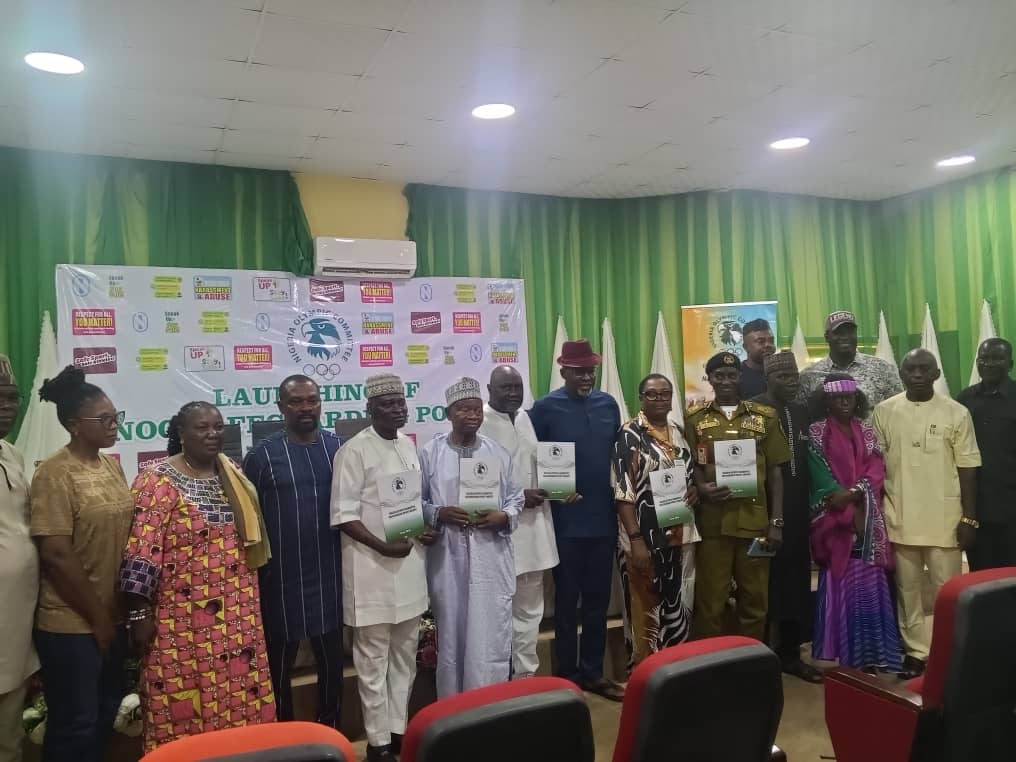
The Nigeria Olympic Committee (NOC) has officially unveiled a comprehensive policy aimed at protecting Nigerian athletes from all forms of abuse, harassment, discrimination, and exploitation in sports.
The policy, which carries strong advocacy messages such as “Safe Sport, Safe Athletes,” “Speak Up, Stay Safe,” and “Say No to Every Form of Harassment and Abuse,” is designed to create a safer and more inclusive sporting environment across the country.
Speaking on Tuesday in Abuja at the unveiling of Safeguarding policy for Athletes, the President of NOC Engr Habu Gumel described the initiative as a major milestone in strengthening athlete welfare and safeguarding the dignity of participants at all levels of sports.
According to him, one of the most significant awareness campaigns on athlete safety was conducted during the recent National Sports Festival, where direct engagements were held with athletes, coaches, and sports administrators. These interactions helped deepen discussions on athlete rights and the importance of maintaining a sports environment free from abuse and misconduct.
The NOC noted that sports should not only be about fair play and competition but must also guarantee every participant the fundamental right to train, compete, and thrive in an environment free from harassment, abuse, discrimination, and exploitation.
The committee stated that the policy is fully aligned with the safeguarding framework of the International Olympic Committee (IOC), particularly the IOC consensus statement on harassment and abuse in sports, as well as the principles enshrined in the Olympic Charter, which places human dignity and athlete welfare at the core of the Olympic Movement.
Describing the policy as a declaration of zero tolerance, the NOC said it clearly outlines standards, reporting mechanisms, disciplinary procedures, and accountability structures for all stakeholders—from grassroots sports programmes to national teams.
Special attention, according to the committee, has been given to vulnerable groups including children, female athletes, and persons with disabilities.
However, the policy emphasizes that every athlete, regardless of age, gender, ability, or status, deserves equal protection and respect.
He stressed that the success of the policy will depend largely on implementation and commitment from sports federations and administrators nationwide. To ensure effective enforcement, safeguarding officers and compliance structures will be established to oversee education, monitoring, and reporting processes.
Athletes were encouraged to become familiar with their rights and make use of the reporting channels established under the policy. Coaches, parents, administrators, and the wider sports community were also urged to promote a culture of vigilance, accountability, and respect.
Engr Gumel expressed confidence that with collective commitment, Nigeria can build a sporting environment where every athlete feels safe, valued, and empowered to reach their full potential.
NOC formally declared the policy effective for implementation across all levels of sports in Nigeria, reaffirming its commitment to making Nigerian sports safer, fairer, and more inclusive for all.