Nigeria has taken a significant step toward the establishment of state police, with the Presidency confirming progress on the constitutional and legal framework required to decentralise policing across the country.
The development follows months of consultations involving the Presidency, the National Assembly and key security stakeholders aimed at strengthening Nigeria’s security architecture in response to growing security challenges.
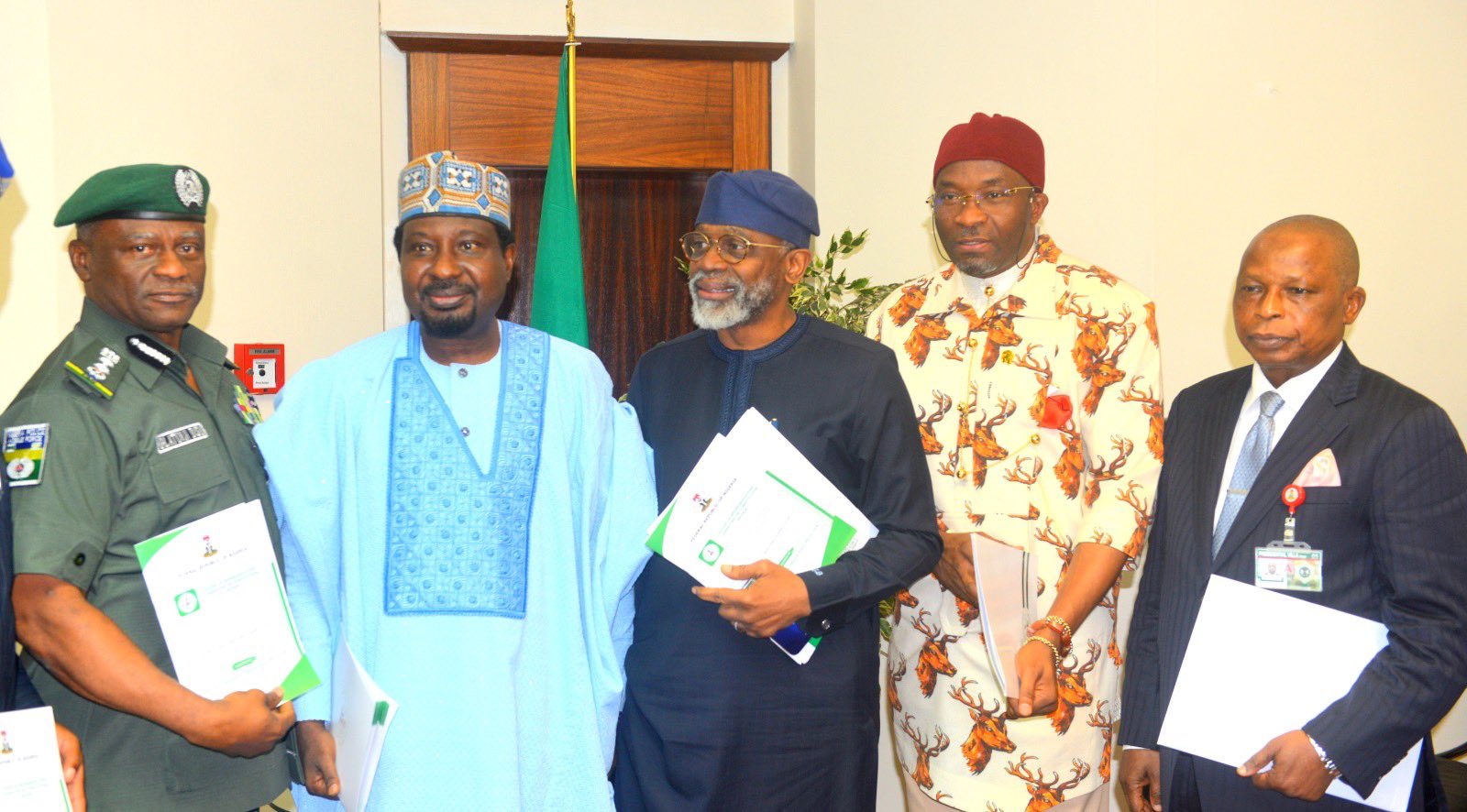
Speaking after a consultative meeting at the State House in Abuja, the Chief of Staff to President Bola Ahmed Tinubu, Femi Gbajabiamila, disclosed that discussions on state police commenced several months ago following a directive from the President.
According to him, establishing state police requires extensive constitutional and legal processes, but significant progress has already been made toward achieving the necessary framework.
Gbajabiamila explained that the immediate focus is securing constitutional amendments that would pave the way for decentralised policing, while enabling legislation would be developed afterward to regulate its operations.
He noted that the conversation has evolved beyond whether state police should exist, with stakeholders now concentrating on creating a workable legal and institutional structure that will ensure its effectiveness and accountability.
The Chief of Staff also revealed that President Tinubu, who has consistently advocated for state police, will receive a comprehensive report detailing the outcomes of the consultations and recommendations from stakeholders.
The meeting was attended by senior government officials, including Jibrin Barau, Benjamin Kalu and Tunji Disu, among others.
The push for state police comes amid increasing concerns over insecurity, kidnapping, banditry and violent crimes across several parts of the country. Supporters of the proposal argue that decentralised policing would improve intelligence gathering at the community level, strengthen local security responses and enable state governments to address emerging threats more effectively.
Nigeria’s current policing structure is centrally controlled through the Nigeria Police Force, a system critics say has become overstretched due to the country’s size, population and diverse security challenges.
While advocates believe state police could enhance security outcomes, opponents have expressed concerns about possible political misuse by state governments, funding challenges and the potential for abuse during political conflicts or communal disputes.
The renewed efforts gained additional urgency following a series of high-profile kidnapping incidents, including the abduction of dozens of pupils and teachers in Oriire Local Government Area of Oyo State, which intensified calls for reforms in Nigeria’s security structure.