The National Economic Council (NEC) has approved the release of more than ₦83 billion under the Anticipatory Action Trust Fund (AATF) to strengthen flood prevention efforts and improve disaster preparedness across Nigeria.
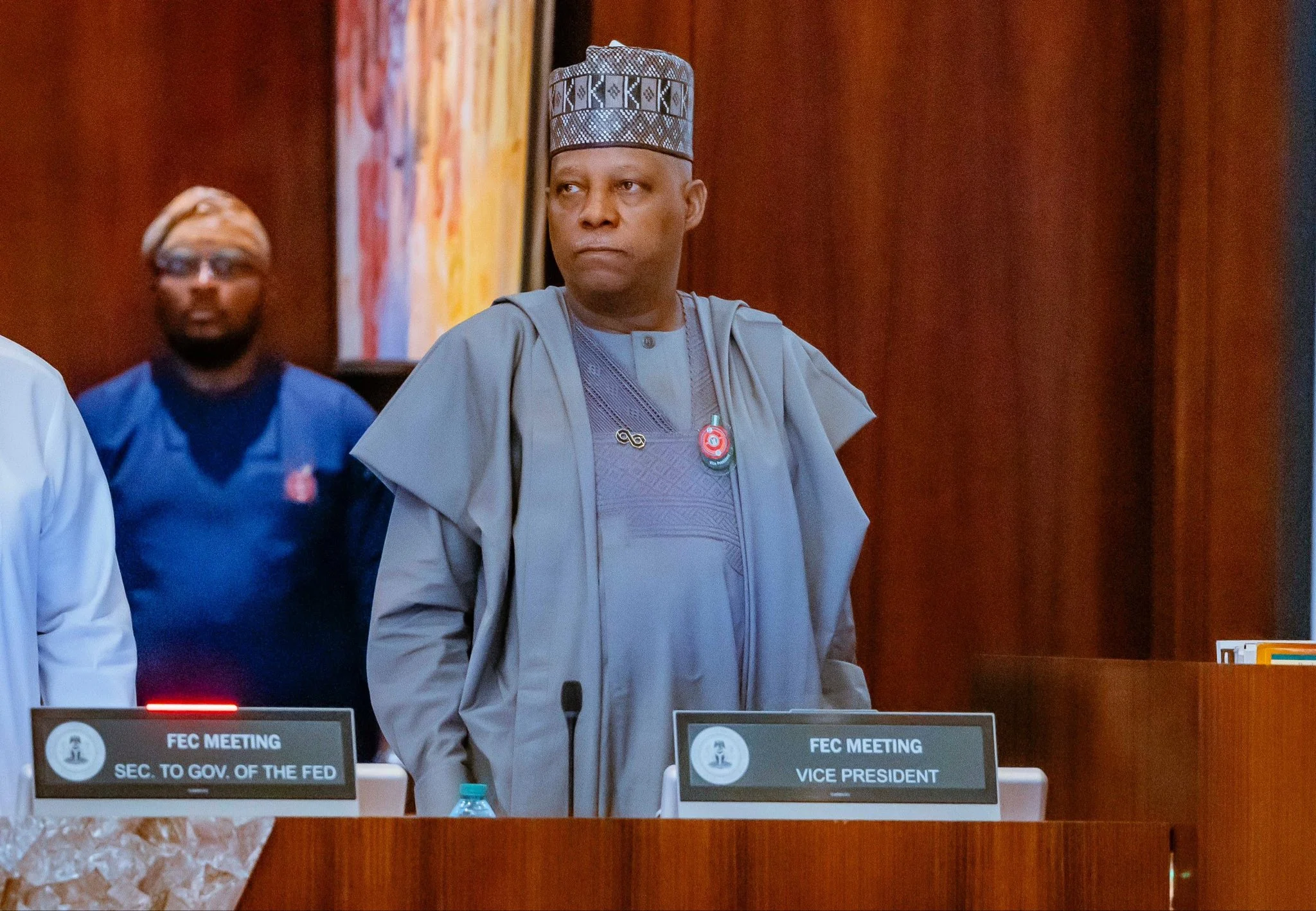
The approval was granted during the Council’s meeting held on Thursday at the Presidential Villa in Abuja and chaired by Vice President Kashim Shettima.
Speaking to journalists after the meeting, the Governor of Cross River State, Senator Bassey Otu, disclosed that the fund forms part of a broader proposal initially valued at over ₦166 billion.
According to him, the Council approved ₦83.2 billion as the first tranche to support proactive measures aimed at reducing the impact of seasonal flooding, which has continued to affect communities across several states.
The Anticipatory Action Trust Fund is designed to finance preventive interventions rather than emergency responses after disasters occur. The initiative will support early warning systems, emergency preparedness programmes, flood mitigation projects, and other mechanisms intended to reduce loss of lives, destruction of property, and economic disruption caused by flooding.
Council members stressed that the creation and funding of the AATF reflects a shift away from reactive disaster management toward a more strategic and preventive approach.
The Council noted that Nigeria can no longer afford to rely solely on emergency responses whenever disasters strike and must instead invest in systems that anticipate risks and reduce their impact before they escalate into humanitarian crises.
During the meeting, Vice President Shettima emphasised that the administration’s economic reforms must now produce measurable benefits for citizens across the country.
He stated that the success of government policies should be judged not by plans and projections but by their impact on the lives of ordinary Nigerians, including farmers, manufacturers, unemployed youths, vulnerable groups, and future generations.
“When this Council last met, I called our economy a workshop. A place of measurement and correction. A place where plans are turned into systems, and systems into institutions before any of it becomes prosperity,” he said.
According to the Vice President, Nigeria is gradually moving from economic stabilisation to production, from policy aspirations to implementation, and from isolated interventions to coordinated national growth strategies.
He noted that while the government has made progress in laying the foundation for economic transformation, there is now greater pressure to deliver tangible outcomes that improve living conditions and create opportunities for citizens.
Shettima further stressed the importance of social protection programmes, describing them as essential tools for safeguarding vulnerable Nigerians and strengthening the country’s human capital base.
“A federation does not earn its prosperity by leaving its most vulnerable behind and hoping they catch up. The dignity of the citizen with the least is the floor beneath which we have resolved that no Nigerian shall fall,” he said.
The Vice President also used the opportunity to highlight the need for Nigeria to move beyond the export of raw materials and focus on building value-added industries that can generate jobs, increase earnings, and improve competitiveness.
He argued that sustainable economic transformation requires a complete value chain connecting agricultural production, industrial processing, quality assurance systems, logistics infrastructure, and access to international markets.
“We cannot continue to export raw materials and import finished products,” he stated.
Shettima noted that the government is committed to addressing bottlenecks that hinder agricultural exports, particularly challenges relating to transportation, port operations, and compliance with international standards.
According to him, improving efficiency at the ports and ensuring that Nigerian products meet global quality requirements are essential for unlocking export opportunities and rewarding local producers.
“A nation that cannot move its goods has imprisoned its own farmers. Meeting international standards is not submission to foreign demand. It is the price of the markets that will reward our labour,” he added.
The Vice President assured members of the Council that efforts would continue to strengthen coordination among federal and state governments to ensure that economic reforms, social protection initiatives, disaster management programmes, and export development strategies deliver meaningful and lasting results.
The approval of the Anticipatory Action Trust Fund marks one of the most significant proactive investments in disaster preparedness in recent years and is expected to improve Nigeria’s capacity to manage the growing risks associated with climate-related flooding.