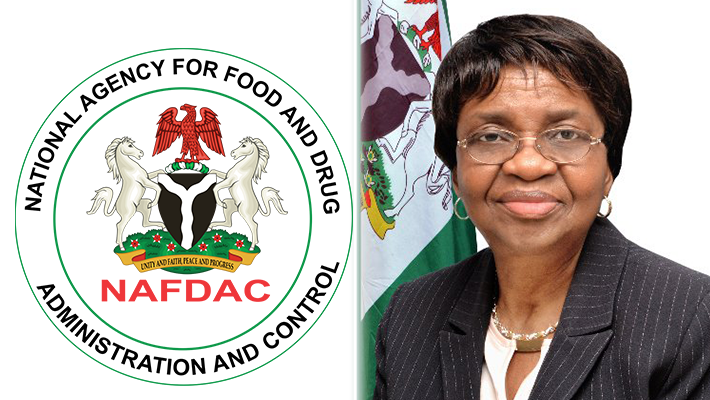
The Director-General of the National Agency for Food and Drug Administration and Control (NAFDAC), Prof. Mojisola Adeyeye, has urged Nigerians to make reading food labels a regular habit before purchasing packaged food products, warning that unhealthy eating patterns are contributing to the rising burden of non-communicable diseases across the country.
Adeyeye made the call on Friday in Abuja during the official launch of the Read the Food Label Campaign, an initiative organised by NAFDAC in partnership with the Corporate Accountability and Public Participation Africa (CAPPA), the World Health Organization (WHO), the University of Abuja and other development partners.
She explained that the campaign seeks to equip consumers with the knowledge required to understand food labels and make healthier dietary choices as cases of diet-related illnesses continue to increase.
“Today marks another significant milestone in our collective efforts to protect and promote the health of Nigerians by empowering consumers with the knowledge and tools they need to make informed food choices,” she said.
According to the NAFDAC Director-General, food labels are more than regulatory obligations, describing them as essential public health tools that provide consumers with critical information on the nutritional value and safety of packaged foods.
“Reading food labels should become a shared responsibility. Everyone who purchases food should make it a habit to read food labels before making a purchase,” Adeyeye stated.
She recalled that her commitment to checking food labels began after her son developed an adverse reaction to a food additive while he was still a child.
“My son reacted to a food additive when he was very young. That experience made me develop the habit of reading food labels because I wanted to ensure my family stayed healthy. Whenever I go shopping, I immediately check the sugar content, sodium level and other nutritional information,” she said.
Adeyeye warned that frequent consumption of foods containing excessive amounts of sugar, salt, saturated fats and trans fats has significantly contributed to the increasing prevalence of hypertension, diabetes, obesity, cardiovascular diseases and other non-communicable diseases in Nigeria.
Quoting figures from the World Health Organization, she noted that non-communicable diseases account for approximately 29 per cent of all deaths recorded in Nigeria, with cardiovascular diseases responsible for the largest proportion.
“The ability of consumers to understand, interpret and apply information on food labels has never been more important,” she added.
She explained that the Read the Food Label Campaign is intended to become a long-term public health intervention aimed at promoting a nationwide culture of reading food labels and making healthier nutritional decisions.
Also speaking at the event, the Lead Investigator on Cardiovascular Health at the University of Abuja, Prof. Dike Ojji, described unhealthy diets as one of the leading contributors to cardiovascular diseases and other chronic health conditions affecting Nigerians.
He said the university has contributed significantly to research that informed the development of national policies on nutrient profiling and front-of-pack food labelling.
“The University of Abuja has been at the forefront of ensuring proper food labelling in Nigeria. Our research findings have been highly valuable in developing national policies on nutrient profiling and front-of-pack food labelling,” Ojji said.
He assured participants that the institution would continue supporting initiatives aimed at improving nutrition awareness and encouraging healthier eating habits.
The President of the Nutrition Society of Nigeria, Prof. Salisu Maiwada, also pledged the support of nutrition professionals nationwide to ensure the campaign reaches communities across the country.
“We have members in every local government area of Nigeria. We are present in schools and communities, and we will take this campaign to every part of the country. We will also dedicate part of our annual conference in September to promoting the campaign,” Maiwada said.
Representing CAPPA, Abayomi Sarumi described the campaign as a timely intervention that would improve nutrition literacy and empower Nigerians to make informed food choices.
Health experts have continued to express concern over the growing burden of diet-related non-communicable diseases in Nigeria, attributing the trend to changing lifestyles and increased consumption of ultra-processed foods.
Cases of hypertension, diabetes, obesity, cardiovascular diseases and certain forms of cancer have continued to rise, prompting renewed calls for stronger food labelling regulations and greater public education.
The Read the Food Label Campaign forms part of NAFDAC’s broader strategy to improve nutrition literacy, promote healthier eating habits and support national efforts to reduce the prevalence of non-communicable diseases through informed consumer decisions.