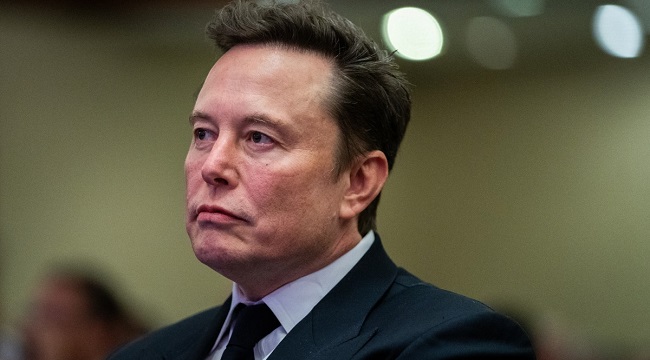
Elon Musk, the world’s richest man and CEO of Tesla and SpaceX, has once again sparked widespread discussion on social media after sharing his take on one of the oldest arguments in personal finance and philosophy.
On Wednesday, Musk posted a short but pointed message: “Whoever said ‘money can’t buy happiness’ really knew what they were talking about.”
The statement quickly went viral, gathering more than 33 million views and over 245,000 likes within hours. Many interpreted the comment as a rare moment of introspection from someone whose net worth has long exceeded hundreds of billions of dollars.
The post prompted intense reactions online, with users debating whether extreme wealth truly delivers lasting contentment or merely removes certain stressors.
In Nigeria, the remark drew immediate cultural connections. Many pointed to Adekunle Gold’s 2021 hit song It Is What It Is, where the artist reflects on the emptiness that can linger even after financial success. The lyrics capture a similar realisation—that material gain does not automatically translate into emotional or spiritual satisfaction.
Responses from social media users were sharply divided. Some agreed with Musk, noting that money can solve practical problems and reduce hardship, but it cannot fix deeper issues such as loneliness, purpose, or mental health struggles.
One popular comment summed it up: “Money may not buy happiness, but it sure makes being sad a lot more comfortable.”
Others pushed back strongly, arguing that financial insecurity and poverty create genuine suffering that wealth could easily eliminate. Several users questioned whether Musk’s view was realistic, given his extraordinary resources, with one remarking that even a small portion of his fortune would transform most people’s lives.
Faith-based perspectives also surfaced, with many insisting that true joy and fulfilment come from spiritual values, family, purpose, and inner peace rather than material accumulation.
The conversation reflects a timeless debate that crosses cultures and generations: the relationship between money and happiness remains complex, with no simple answer.