With the recent Lassa Fever scourge across the country, it is becoming obvious that old concerns are still sticking on, like festering sores that have defied remedies. More so, this fever has been a feature of the nation’s health concern since it was first discovered in Lassa town in present day Borno State.
The Nigeria Centre for Disease Control, NCDC reeled out a report recently which indicated about 80 lives have been lost to the disease in about 328 cases in seven weeks. This is about the worst scenario in many years.
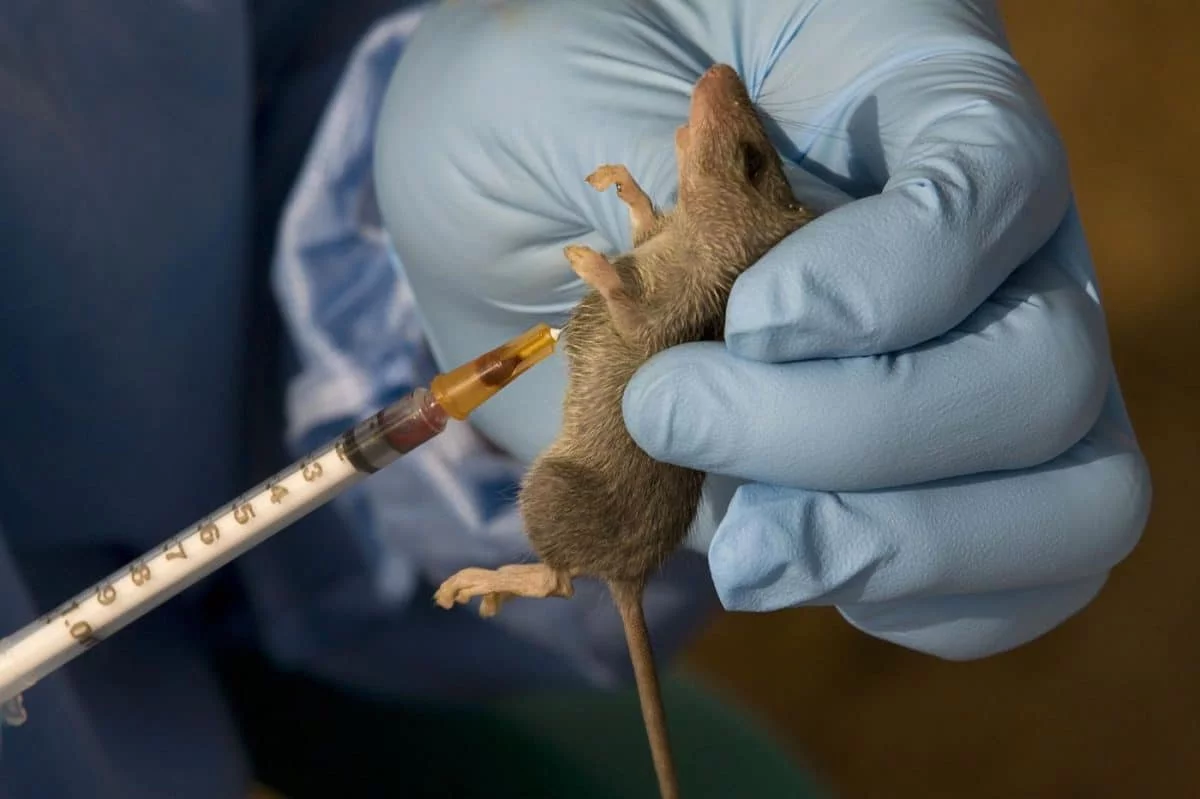
Believed that a variety of rodents cary the virus that causes the acute viral hemorrhagic fever and spread the deadly illness.
Since the first reported case in 1969, the disease has continuously invaded the country as a recurring health concern.
The very recent statistics on the infestation is scary and undeniably unprecedented in recent health indices.
Lassa Fever cases is by every measure disturbing and could blossom into a national health emergency if measures are not strengthened immediately by all relevant stakeholders.
More worrisome is the concern that rodents that spread the disease reproduce in fast succession, thus creating fears that they could spread fast across the country.
Filth among others provide quick breeding ground for rats that harbour the disease.
Interestingly, the Nigeria Centre for Disease Control and Prevention, NCDC, has called for urgent and strengthened state level action as Lassa fever cases continue to rise during the current peak dry season from November–April.
With confirmed cases reported across multiple states and increasing infections among healthcare workers, NCDC emphasizes the need for full activation of State Incident Management Systems, strict enforcement of Infection Prevention and Control, IPC, measures, adequate supply of PPE, improved surveillance, and stronger community engagement.
NCDC has urged state governments to prioritise outbreak response funding, protect healthcare workers, and close identified operational gaps contributing to preventable deaths.
Given the scenarios, members of the public have a vibrant role to play in warding off these deadly rodents which are not of the same specie with the common ones often known to infest homes. They must of necessity maintain clean environments and ensure that they do not keep habits that would attract rodents.
Health counsel that the best form of safeguard against rodent infestation is to store food safely where minimal or zero contact is allowed.
It is gratifying to know from the health authorities that Lassa fever is treatable, however, they insist that early detection is crucial in all cases.
We commend NCDC for what appears a quick response to this emergency.
Therefore, there is no need for panic responses where the vulnerable would seek assistance outside official channels because doing so could trigger unexpected circumstances, as the NCDC and relevant stakeholders are on top of their game.
In this vein, we urged stakeholders to keep up the good work with a view to eradicating Lassa fever in Nigeria.