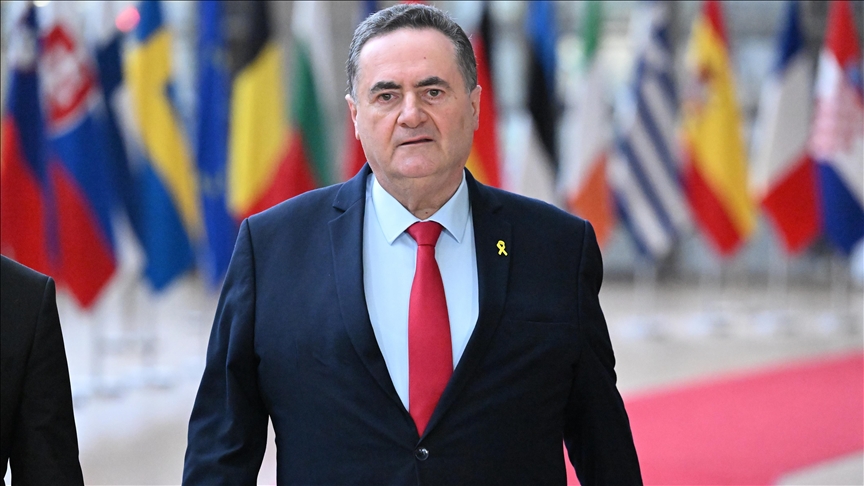
Israel’s Defence Minister, Israel Katz, has declared that Israeli troops will remain indefinitely in military-controlled “security zones” established in Lebanon, Syria and the Gaza Strip, insisting there is currently no timetable for their withdrawal.
Speaking on Wednesday during a ceremony honouring Israeli soldiers who died in the 2006 Lebanon war, Katz said the continued military presence was necessary to safeguard Israeli communities from militant threats.
“The IDF will remain in the security zones in Lebanon, Syria and Gaza indefinitely in order to protect our residents and communities from jihadist elements,” Israel Katz said.
“We will not withdraw from the security zones,” Katz said at a function held in honour of Israeli soldiers killed during the 2006 war in Lebanon.
The defence minister also renewed Israel’s warning to Iran, stating that Tehran would face a powerful military response if it launched attacks against Israel in retaliation for Israeli operations in Lebanon.
Katz stressed that any aggression from the Islamic Republic would be met with overwhelming force.
His comments come just days after Israel and Lebanon signed a United States-sponsored framework agreement aimed at creating a pathway toward lasting peace between both countries and addressing the issue of Hezbollah’s weapons.
Despite the agreement, Israeli leaders, including Prime Minister Benjamin Netanyahu, have consistently ruled out an immediate military withdrawal from southern Lebanon.
According to Israeli officials, troops will only leave after the Iran-backed Hezbollah movement has been fully disarmed across Lebanese territory.
The latest conflict between Israel and Hezbollah escalated in early March when the Lebanese militant group launched rockets into northern Israel, saying the attacks were in retaliation for the killing of Iran’s supreme leader during joint US-Israeli airstrikes.
Israel responded with extensive aerial bombardments followed by a ground offensive targeting Hezbollah positions in southern Lebanon.
Lebanon’s Health Ministry says almost 4,300 people have lost their lives since the conflict began.
On the Israeli side, the military reports that 38 soldiers and one civilian contractor have been killed during operations in Lebanon since the fighting erupted.
Israel has also continued military operations inside neighbouring Syria following the removal of former President Bashar al-Assad, carrying out repeated airstrikes and cross-border incursions.
Israeli authorities say the operations are intended to establish a demilitarised buffer zone in southern Syria and prevent hostile armed groups from operating close to its border.
Meanwhile, Israeli forces continue to control approximately 70 per cent of the Gaza Strip.
Although a ceasefire has been in place since October last year, both the Israeli military and the Palestinian militant group Hamas have repeatedly accused each other of violating its terms.
The continued military presence across the three territories underscores Israel’s determination to maintain what it considers strategic security positions while regional diplomatic efforts continue.