By Charles Ebi
Nigeria’s ongoing economic reforms received strong endorsement from global investors and policymakers at the Africa Capital Forum in London, with stakeholders urging authorities to convert rising investor interest into sustained, long-term capital inflows.
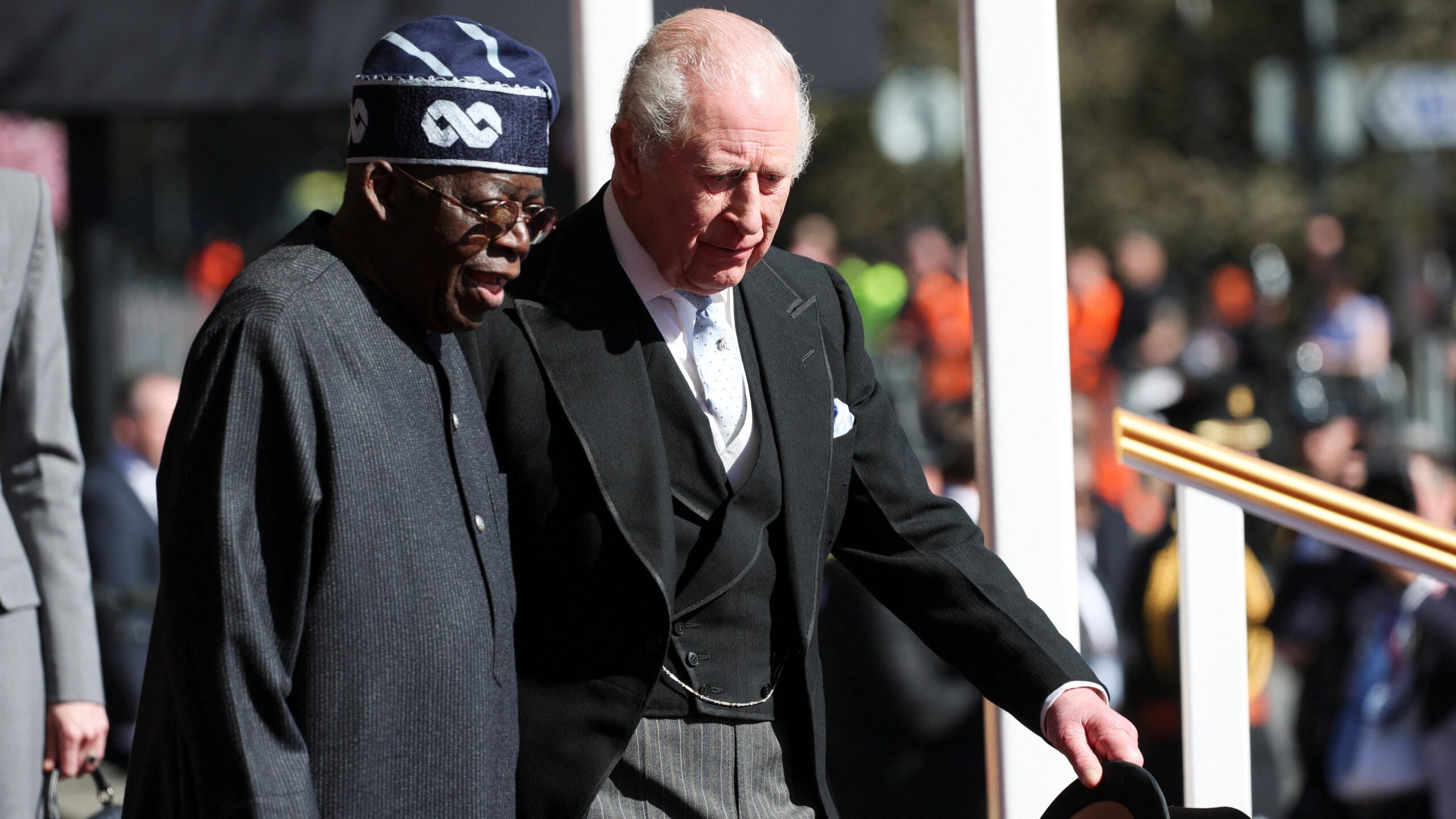
The forum, themed “From Stabilisation to Capital Mobilisation”, was jointly hosted by the Central Bank of Nigeria ,CBN, and the UK Foreign, Commonwealth and Development Office ,FCDO, at The Peninsula London, on the sidelines of President Bola Tinubu’s state visit to the United Kingdom.
Speakers at the high-level gathering comprising global investors, development finance institutions and fintech leaders said Nigeria’s recent monetary and structural reforms have improved macroeconomic stability and strengthened investor confidence.
British Deputy High Commissioner to Nigeria, Jonny Baxter, noted that while confidence in Nigeria is rising, the next critical phase is translating that momentum into durable investments.
“The next phase of the reforms should be converting renewed investor interest into long-term sustainable investments”, he said, reaffirming the UK’s commitment to supporting Nigeria’s economic transformation.
President of the European Bank for Reconstruction and Development ,EBRD, Odile Renaud-Basso, highlighted Nigeria’s economic potential, citing its large population, growing adoption of technology and improving macroeconomic conditions as key investment drivers.
Similarly, Steve Gray of UK Export Finance ,UKEF, stressed the importance of fiscal transparency in sustaining investor trust, noting that recent reforms are already improving confidence and aligning global perceptions with Nigeria’s economic realities.
Also speaking, EBRD’s Managing Director for Policy Strategy and Delivery, Melis Ekmen Tabojer, said Nigeria’s reform measures are already influencing investor behaviour and policy credibility.
Representing the Minister of Finance and Coordinating Minister of the Economy, Wale Edun, Special Adviser Sanyade Okoli said the government is focused on achieving quality, inclusive growth, but acknowledged that public resources alone are insufficient.
“We need to work with partners who will bring long-term, patient capital”, she said.
Discussions at the forum also examined key issues including capital market recovery, risk repricing, fintech innovation, and Nigeria’s expanding role in global finance. Sessions featured CBN Deputy Governors Muhammad Sani Abdullahi and Philip Ikeazor, alongside other financial experts.
Abdullahi pointed to improvements in macroeconomic indicators, including rising external reserves above $50bn, a more stable foreign exchange market and easing inflation, while cautioning that policy discipline remains essential.
On his part, Ikeazor emphasised that the reforms are broad-based and designed to endure beyond the current administration, reducing the likelihood of policy reversals.
Top Nigerian bank executives, including heads of First Bank, UBA, GTCO, FCMB, Access Bank and Zenith Bank, also expressed support for the reforms, noting that improved stability is enhancing banks’ capacity to finance domestic investments.
Over the past two years, Nigeria has implemented sweeping reforms under CBN Governor Olayemi Cardoso, including exchange-rate unification, banking sector recapitalisation and tighter monetary policy. These measures have helped ease exchange-rate volatility, boost foreign reserves and moderate inflation.
Participants at the forum agreed that while progress has been made, sustaining reform momentum and deepening policy consistency will be critical to unlocking long-term capital, including from diaspora investors.
The Africa Capital Forum, structured around Nigeria’s macroeconomic reset, financial system strengthening and global capital mobilisation, aims to deepen financial linkages between Nigeria, the United Kingdom and the broader international investment community.