•Presidents decision to gag minister applauded
•Minister’s actions reminiscent of misplaced priority
•As billions spent monthly
By Dauda Ismail
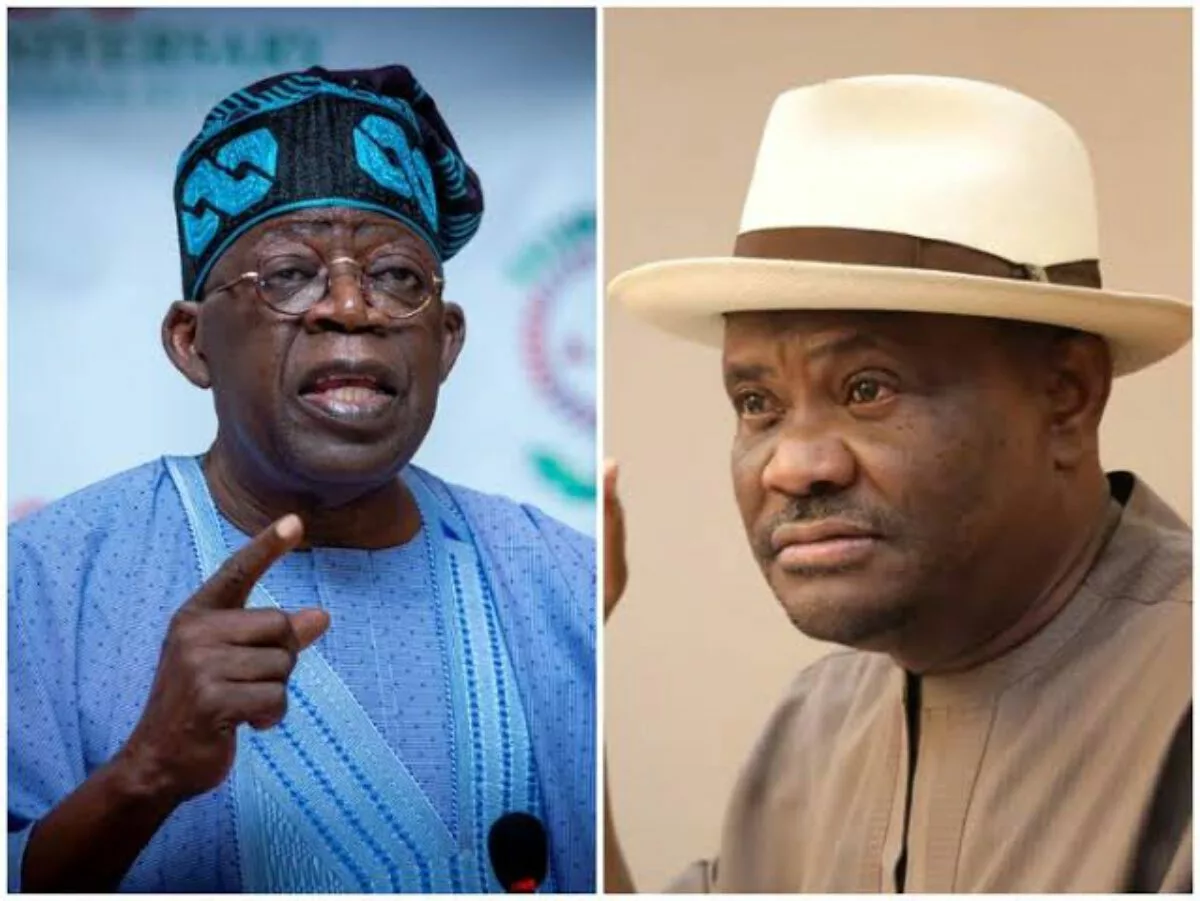
The recent suspension of the Federal Capital Territory, FCT, Barrister Minister, Nyesom Wike’s monthly press briefings by the Presidency has stirred a wave of reactions across the nations capital from cautious approval within the corridors of power to open relief among residents and indigenes who have long decried the ministers penchant for grandiose displays and excessive spending.
Presidency’s Clampdown
According to inside sources, the Presidency’s decision to bar Wike from holding his regular media briefings was driven by mounting concerns over his conduct and the destabilising tone of his public statements. Officials alleged that the sessions had become less about policy and more about political threats, personal vendettas, and inflammatory rhetoric.
A senior aide in the Presidency explained that Wike’s outbursts were beginning to endanger the fragile calm in Rivers State. The Presidents camp is worried that Wike’s repeated attacks on Rivers elders who tried to mediate between him and Governor Sim Fubara could plunge the state back into political chaos, he said.
The Presidency’s unease was further fuelled by reports of alleged corruption and undeclared assets. Media investigations linked Wike to the secret purchase of three lakeside homes in Winter Springs, Florida, allegedly acquired through large cash payments and later transferred to his children.
Activist Omoyele Sowore reportedly petitioned Florida authorities, accusing the minister of money laundering and concealment of assets from Nigeria’s Code of Conduct Bureau.
One presidential source summed up the mood succinctly: The optics are perilous for our government. A minister who cannot be controlled is a liability.
Lavish Briefings, Costly Ceremonies
While the governments decision to curb Wikes media outings has drawn mixed reactions, a large number of FCT residents believe the move was long overdue not only for political reasons but for financial prudence.
Over the past year, Wike’s weekly press briefings and project flag-offs have become high-profile spectacles, often featuring live television broadcasts, elaborate stage setups, musical performances and expensive guest receptions. Critics say the events consume hundreds of millions of naira that could otherwise be channelled into improving Abuja’s collapsing social infrastructure.
An investigation by AljazirahNigeria revealed that major television stations charge hefty fees for live coverage: AIT reportedly bills ₦9.1 million per hour, Arise TV ₦20 million, Channels Television ₦7 million, and TVC ₦5.5 million. Insiders estimate that between logistics, hospitality, entertainment and airtime, Wike’s office spends hundreds of millions of naira monthly on these publicity exercises.
Neglect Beneath the Glitter
For many residents, this spending spree feels painfully disconnected from everyday realities. Across the FCT, public hospitals and health centres are in alarming disrepair plagued by staff shortages, obsolete equipment, poor sanitation, and unreliable power and water supply. Primary health centres, in particular, are grossly overstretched, forcing patients to travel long distances for basic care.
Health workers told AljazirahNigeria that morale is at an all-time low. The workload is overwhelming. The government needs to employ more hands, lamented Ms Chidimma Samuel, a nurse in one of Abuja’s general hospitals.
Another health worker, Ms Adeola Nora, added that fatigue is fuelling mistakes that few dare to discuss openly. Doctors are mentally exhausted, confirmed Dr Sulaiman Hadiyyah. But we cant speak out; there’s stigma. When a doctors mental health is compromised, so is the patients.
Some officials, however, dismissed the criticisms. Dr Joseph Obande, Deputy Chairman of the Medical Advisory Committee at the University of Abuja Teaching Hospital, UATH, insisted: We have enough hands. Young doctors just need to focus instead of rushing off to play with their phones.
But many disagree, citing constitutional guarantees under Section 17(3)(d) of the 1999 Constitution and Article 25 of the Universal Declaration of Human Rights, both of which promise access to healthcare a promise that remains largely unfulfilled.
Only recently, the House of Representatives called for an emergency intervention to rescue the FCTs decaying health facilities. The hospitals were built for a much smaller population. They’re now overstretched, and avoidable deaths are becoming too common, lamented Hon. Nnamdi Ezechi during plenary.
Education in Ruins
The education sector tells a similar story of neglect. Labour Party’s 2023 presidential candidate, Peter Obi, recently described the state of public schools in Abuja as a national disgrace after touring the LEA Primary School in Kapwa, where he found classrooms without chairs, toilets or windows.
No responsible nation should tolerate this, Obi said. As governor of Anambra, I personally visited every school. Leaders must see things for themselves.
The African Democratic Congress, ADC, chairmanship candidate for Abuja Municipal Area Council, Dr Moses Paul, who accompanied Obi, lamented that the condition of schools within the council reflects years of systemic mismanagement.
Education is the foundation of human capital development, yet our schools lack basic facilities no chairs, no toilets, no ventilation, he said.
Misplaced Priorities
For many indigenes, the ministers lavish ceremonies stand in stark contrast to these grim realities. We appreciate the roads and flyovers, but do we need to spend so much celebrating them? asked a youth leader from Bassa-Jiwa, known locally as Commander. People are posting the projects on social media every day. They advertise themselves. The money should go into hospitals and schools instead.
At Jikwoyi, another resident, Madam Rita, expressed similar frustration. Our hospitals and schools are in a sorry state. Its as if health and education don’t matter to him, she said.
Public affairs analyst Shuna Fakum described Wike’s style of governance as a textbook case of misplaced priority. Every week, hundreds of millions are wasted on honourariums, live broadcasts, banners, and entertainment, Fakum said. None of it is free. The groups praising him on billboards cannot afford those adverts; they are funded by government money.
She recounted visiting a junior secondary school in Area 11, just a few minutes from Wike’s office. Students sit on the floor to take lessons. When it rains, the classrooms leak like baskets. Yet, our so-called Mr Project carries on as though everything is fine, she said.
Indeed, earlier this year, FCT public schools were shut for weeks due to a teachers strike over unpaid entitlements and dilapidated infrastructure a crisis many say received little attention from the minister.
Relief and Reflection
Given these concerns, it is little wonder that many residents have welcomed the Presidency’s decision to suspend Wike’s regular media engagements. Were happy because maybe he’ll finally look inward, said Jemima Shokoelo, an indigene of Kuje. If he channels even half of that money into health and education, the FCT will look different within a year.
For now, the ministers projects continue to unfold across the capital, but so too does public scrutiny. The question that lingers among residents is not whether Wike is working his physical projects are visible but whether the cost of his publicity matches the priorities of the people he serves.
As Abuja’s health centres groan under neglect and its schools crumble under the weight of disrepair, many FCT residents can only hope that the new federal restraint will redirect attention and funds to where they are most urgently needed.